Is It Normal for My Dog to Sleep 12+ Hours? Understanding Canine Sleep Patterns
If you’ve ever watched your furry companion snooze peacefully for what seems like half the day, you might wonder: “Is my dog sleeping too much?” The sight of your dog curled up in their favorite spot for 12, 14, or even 16 hours might seem excessive compared to human sleep patterns, but the truth might surprise you. Understanding normal canine sleep patterns is crucial for every pet owner who wants to ensure their four-legged family member is healthy and happy. Let’s dive into the fascinating world of dog sleep and discover what’s perfectly normal versus what might signal a need for veterinary attention.
How Much Sleep Do Dogs Actually Need?
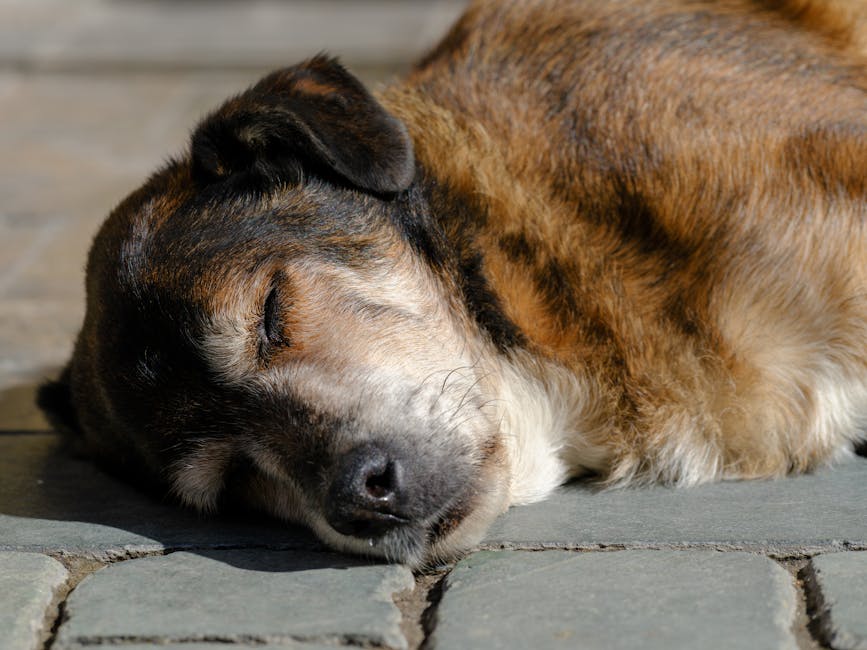
The simple answer is: dogs sleep significantly more than humans, and yes, 12+ hours is completely normal for most dogs. On average, adult dogs sleep between 12-14 hours per day, though this can vary considerably based on several factors we’ll explore shortly.
Unlike humans who typically sleep in one long stretch, dogs are polyphasic sleepers, meaning they sleep in multiple periods throughout a 24-hour cycle. Your dog might take several naps during the day, sleep deeply at night, and still be perfectly healthy. This natural sleep pattern stems from their evolutionary history as predators who needed to be alert for hunting opportunities while also conserving energy.
Factors That Influence Your Dog’s Sleep Needs
Several key factors determine whether your dog falls on the lower or higher end of normal canine sleep patterns:
Age: Puppies and senior dogs typically sleep more than adult dogs. Puppies can sleep up to 18-20 hours per day as their bodies and brains develop rapidly. Senior dogs often return to sleeping 16-18 hours daily as their energy levels naturally decrease.
Breed and Size: Larger breeds generally require more sleep than smaller ones. Giant breeds like Great Danes or Saint Bernards might sleep 16-18 hours daily, while energetic small breeds like Jack Russell Terriers might sleep closer to 12-13 hours.
Activity Level: Highly active dogs or working breeds that get plenty of physical and mental stimulation often sleep more soundly and for longer periods to recover from their activities.

Recognizing Normal vs. Concerning Sleep Patterns
While 12+ hours of sleep is typically normal, it’s important to recognize when your dog’s sleeping habits might indicate a health concern.
Signs of Normal, Healthy Sleep
Your dog’s sleep is likely normal if they:
- Wake up easily when called or when something interesting happens
- Show normal energy levels during their waking hours
- Maintain regular eating, drinking, and bathroom habits
- Engage in play and social interaction when awake
- Sleep in various positions and locations comfortably
When to Be Concerned
Consider consulting your veterinarian if your dog exhibits:
- Sudden changes in sleep duration or patterns
- Difficulty waking up or extreme lethargy when awake
- Sleeping significantly more than usual (20+ hours daily for adult dogs)
- Changes in appetite, bathroom habits, or social behavior alongside increased sleep
- Signs of pain or discomfort when moving or changing positions
Creating the Perfect Sleep Environment for Your Dog
Supporting healthy canine sleep patterns involves creating an environment that promotes restful sleep while maintaining your dog’s overall wellbeing.
Optimize Their Sleep Space
Provide a comfortable, quiet sleeping area away from high-traffic zones in your home. A quality dog bed that supports their joints, especially for older dogs, can significantly impact sleep quality. Consider the temperature – dogs generally prefer slightly cooler environments for sleep, similar to humans.
Establish a Routine
Dogs thrive on routine, and consistent sleep schedules can improve their overall sleep quality. Try to maintain regular bedtimes and wake-up times, even on weekends. This helps regulate their internal clock and can lead to more restful sleep.

The Importance of Quality Over Quantity
While monitoring how much your dog sleeps is important, the quality of their sleep matters just as much. Dogs experience different sleep stages, including REM sleep where dreaming occurs – you might notice your dog’s legs moving or hear soft barks during these phases.
Ensure your dog gets adequate physical exercise and mental stimulation during their waking hours. A tired dog is more likely to sleep deeply and wake up refreshed. Regular walks, play sessions, and puzzle toys can contribute to better sleep quality.
Supporting Your Dog’s Natural Sleep Cycle
To promote healthy sleep patterns, consider these practical strategies:
Maintain consistent meal times: Feeding your dog at regular intervals helps regulate their natural circadian rhythm and can improve sleep quality.
Provide adequate daytime stimulation: Ensure your dog receives appropriate physical exercise and mental challenges during their waking hours to promote natural tiredness.
Create a calm evening routine: Just like humans, dogs benefit from winding down before sleep. A gentle evening walk followed by quiet time can signal that it’s time to rest.
Monitor environmental factors: Loud noises, excessive light, or uncomfortable temperatures can disrupt your dog’s sleep patterns, even if they appear to be sleeping.
Conclusion
Rest assured that your dog sleeping 12+ hours is not only normal but essential for their health and wellbeing. Understanding normal canine sleep patterns helps you distinguish between healthy rest and potential health concerns. Remember that dogs naturally sleep much more than humans, and factors like age, breed, size, and activity level all influence their individual sleep needs. Focus on ensuring your dog has quality sleep in a comfortable environment, maintains good energy levels when awake, and shows no sudden changes in their typical patterns. When in doubt, don’t hesitate to consult with your veterinarian – they can provide personalized guidance based on your dog’s specific breed, age, and health status. Your well-rested dog will be happier, healthier, and ready for all the adventures you’ll share together.