Is It Normal for My Dog to Sleep 12+ Hours a Day?
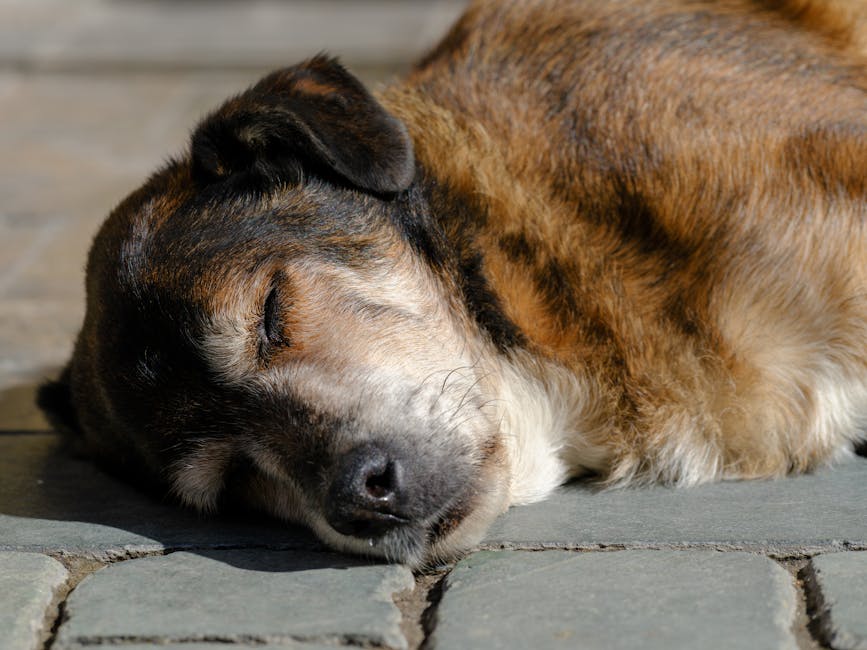
If you’ve ever watched your furry companion snooze the day away, you might wonder if all that sleeping is normal. The sight of your dog curled up in their favorite spot for what seems like the entire day can be both adorable and concerning. The good news? Dog sleeping 12+ hours a day is typically completely normal and part of their natural behavior. Understanding your pet’s sleep patterns can help you distinguish between healthy rest and potential health concerns, ensuring your four-legged family member stays happy and healthy.

Understanding Normal Dog Sleep Hours
Most dog owners are surprised to learn that normal dog sleep hours range significantly more than human sleep patterns. On average, healthy adult dogs sleep between 12 to 14 hours per day, though this can vary based on several factors. Unlike humans who typically sleep in one long stretch, dogs are polyphasic sleepers, meaning they take multiple naps throughout the day and night.
This extensive sleep schedule isn’t laziness – it’s biology. Dogs have evolved as opportunistic sleepers, conserving energy for when they need to be alert and active. In the wild, this pattern helped them stay prepared for hunting, protecting their pack, or responding to threats.
Sleep Variations by Age and Size
The amount your dog sleeps depends heavily on their life stage:
- Puppies: Can sleep 18-20 hours per day as their bodies and brains develop rapidly
- Adult dogs: Typically sleep 12-14 hours daily
- Senior dogs: Often return to sleeping 16-18 hours as they age and require more recovery time
- Large breeds: Generally sleep more than smaller breeds due to higher energy expenditure
Factors That Influence Your Dog’s Sleep Patterns
Several elements can affect whether your dog is sleeping within the normal range or if their dog sleeping too much might indicate an underlying issue.
Activity Level and Exercise
Dogs with higher activity levels during their waking hours often sleep more soundly and for longer periods. Working breeds like Border Collies or German Shepherds that get adequate mental and physical stimulation will naturally sleep more to recover. Conversely, under-stimulated dogs might sleep more out of boredom.
Environment and Routine
Your dog’s sleeping environment significantly impacts their rest quality. Dogs in calm, predictable households often develop regular sleep schedules that align with their family’s routine. Changes in environment, new family members, or disrupted schedules can temporarily affect sleep patterns.
Breed Characteristics
Some breeds are naturally more inclined to sleep. Bulldogs, Mastiffs, and other large or brachycephalic (flat-faced) breeds often sleep more due to their physical characteristics and energy conservation needs. Conversely, high-energy breeds like Jack Russell Terriers might sleep less but more intensely.
When Excessive Sleeping Might Be Concerning
While normal dog sleep hours are quite extensive, there are times when excessive sleeping warrants attention. Watch for these warning signs:
Sudden Changes in Sleep Patterns
If your typically active dog suddenly starts sleeping significantly more without an obvious cause like increased exercise or hot weather, this could indicate a health issue. Similarly, if your good sleeper becomes restless or sleeps much less, consultation with your veterinarian is wise.
Accompanying Symptoms
Excessive sleep combined with other symptoms requires veterinary attention:
- Loss of appetite or changes in eating habits
- Lethargy when awake
- Difficulty waking or disorientation
- Changes in bathroom habits
- Unusual breathing patterns during sleep
- Signs of pain or discomfort
Practical Tips for Healthy Dog Sleep
Supporting your dog’s natural sleep patterns promotes better overall health and can help you identify when something’s amiss.

Create a Comfortable Sleep Environment
Provide your dog with a comfortable, quiet sleeping area. This might be a cozy dog bed in a low-traffic area of your home, or even your bedroom if that’s where they prefer to rest. Consistency in sleeping location helps establish healthy sleep routines.
Maintain Regular Exercise and Mental Stimulation
Ensuring your dog gets appropriate physical exercise and mental challenges during their waking hours promotes better sleep quality. A tired dog is more likely to sleep soundly and maintain healthy sleep patterns. Aim for at least 30 minutes to 2 hours of activity daily, depending on your dog’s breed, age, and health status.
Establish Consistent Routines
Dogs thrive on routine. Try to maintain consistent feeding times, exercise periods, and bedtime routines. This helps regulate their internal clock and promotes natural, healthy sleep patterns.
Monitor and Document Changes
Keep track of your dog’s sleep patterns, especially if you’re concerned about changes. Note when they sleep, for how long, and their energy levels when awake. This information can be valuable for your veterinarian if health concerns arise.
Understanding Sleep Quality vs. Quantity
It’s not just about how much your dog sleeps, but how well they sleep. Quality sleep includes periods of deep sleep where your dog might twitch, move their legs, or even “bark” softly – signs they’re likely dreaming and achieving restorative REM sleep.
Healthy sleeping dogs should be relatively easy to wake when needed and should appear alert and refreshed after adequate rest. If your dog seems groggy, disoriented, or difficult to rouse after long sleep periods, this might indicate sleep quality issues worth discussing with your veterinarian.
Conclusion
Rest assured that dog sleeping 12+ hours a day is perfectly normal for most healthy dogs. Understanding normal dog sleep hours helps you appreciate your pet’s natural rhythms while staying alert to potential health concerns. The key is knowing your individual dog’s patterns and watching for sudden changes rather than worrying about the total hours spent sleeping. By providing a comfortable environment, adequate exercise, and consistent routines, you’re supporting your dog’s natural sleep needs. Remember, if you notice significant changes in your dog’s sleep patterns accompanied by other symptoms, don’t hesitate to consult your veterinarian. A well-rested dog is typically a healthy, happy dog – so let them enjoy those long, peaceful naps!