How to Make Your Cat Drink More Water: 8 Vet-Approved Tips
Is your feline friend turning their nose up at their water bowl? You’re not alone. Many cat parents worry when they notice their cat not drinking water regularly, and rightfully so. Proper hydration is crucial for your cat’s kidney health, digestion, and overall wellbeing. The good news is that there are proven, veterinarian-approved strategies to encourage your kitty to increase their water intake naturally. In this comprehensive guide, we’ll explore eight effective methods to help keep your cat properly hydrated and healthy.
Why Cats Don’t Drink Enough Water
Before diving into solutions, it’s important to understand why cats are naturally reluctant water drinkers. Unlike dogs, cats evolved from desert ancestors and have a low thirst drive. In the wild, they obtained most of their moisture from prey. Domestic cats retain this instinct, which means they often don’t feel compelled to drink until they’re already mildly dehydrated.
Additionally, cats are incredibly particular about their water source. Factors like bowl material, water temperature, location, and even the smell of chlorine can deter them from drinking. Understanding these preferences is key to learning how to hydrate cats effectively.
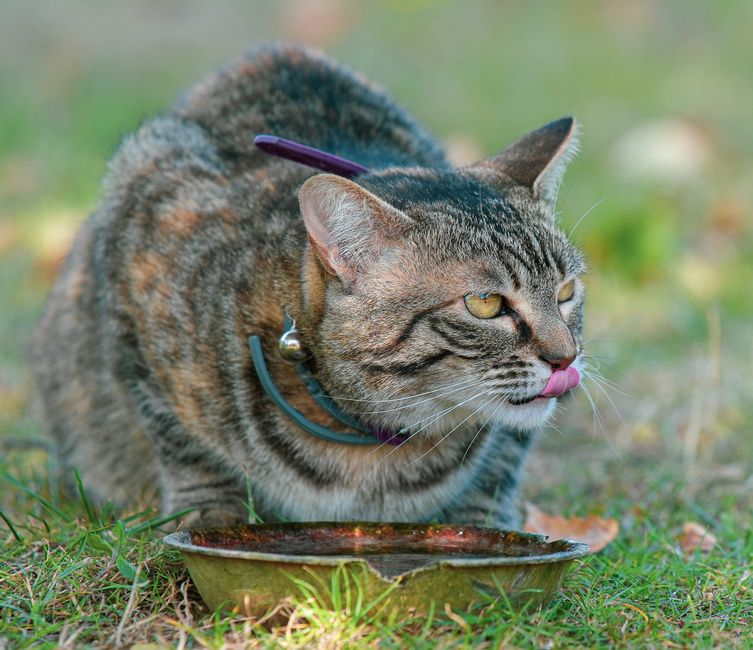
8 Vet-Approved Tips to Increase Your Cat’s Water Intake
1. Invest in a Water Fountain
Moving water is incredibly appealing to cats. Pet water fountains not only keep water fresh and oxygenated but also satisfy your cat’s instinct to drink from flowing sources. Many cats who previously ignored still water bowls become enthusiastic drinkers when presented with a fountain. Choose a fountain with a quiet motor and easy-to-clean design for best results.
2. Switch to Wet Food
One of the most effective ways to address a cat not drinking water is to increase their moisture intake through food. Wet food contains 70-80% water compared to dry kibble’s 10%. Even partially switching from dry to wet food can significantly boost your cat’s daily water consumption. If your cat is used to dry food, make the transition gradually over 7-10 days.
3. Place Multiple Water Stations
Convenience matters to cats. Place several water bowls throughout your home, especially in areas where your cat spends the most time. Having easily accessible water sources increases the likelihood that your cat will drink throughout the day. Aim for at least one water station per floor of your home.

4. Use the Right Bowl Material and Size
The type of bowl you use can significantly impact your cat’s drinking habits. Stainless steel and ceramic bowls are ideal because they don’t retain odors or bacteria like plastic can. Choose shallow, wide bowls that won’t touch your cat’s whiskers when they drink – whisker fatigue is a real concern that can deter cats from eating and drinking.
5. Keep Water Fresh and Clean
Cats have an exceptional sense of smell and will avoid stale or dirty water. Change your cat’s water daily and wash bowls regularly with mild soap. If you have multiple cats, consider providing separate water sources to prevent one cat from deterring others due to shared germs or territorial behavior.
6. Try Different Water Temperatures
Some cats prefer room temperature water, while others enjoy it slightly cool. Experiment with different temperatures to see what your cat prefers. Avoid ice-cold water, which can be off-putting, and never offer hot water. Room temperature or slightly cool water is usually most appealing.
7. Add Flavor to the Water
When learning how to hydrate cats, consider making water more enticing by adding flavor. A small amount of low-sodium chicken broth, tuna juice (from tuna packed in water), or bone broth can make water irresistible to many cats. Always ensure any additives are cat-safe and use them sparingly to avoid digestive upset.
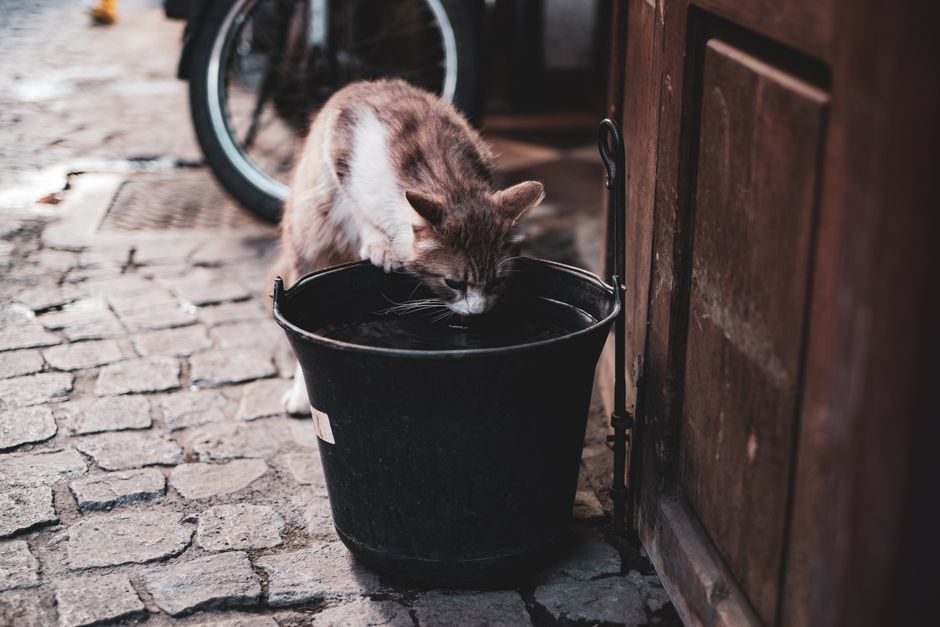
8. Monitor and Maintain Proper Bowl Placement
Location matters significantly when it comes to water bowl placement. Keep water bowls away from food dishes and litter boxes. Cats prefer their water source to be separate from eating and elimination areas. Choose quiet, easily accessible locations where your cat feels safe and comfortable drinking.
Signs Your Cat May Be Dehydrated
Recognizing dehydration early is crucial for your cat’s health. Watch for these warning signs:
- Loss of skin elasticity (skin takes longer than usual to return to normal when gently pinched)
- Dry, sticky gums
- Lethargy or decreased energy
- Loss of appetite
- Sunken eyes
- Reduced urination or concentrated urine
If you notice any of these symptoms, consult your veterinarian immediately, as dehydration can quickly become serious in cats.
When to Consult Your Veterinarian
While the strategies above are effective for most cats, sudden changes in drinking habits warrant professional attention. If your cat not drinking water is accompanied by other symptoms like vomiting, diarrhea, or lethargy, schedule a veterinary appointment promptly. Underlying health conditions such as kidney disease, diabetes, or dental problems can affect drinking habits and require medical intervention.
The Bottom Line
Ensuring proper hydration is one of the most important things you can do for your cat’s long-term health. By implementing these vet-approved strategies on how to hydrate cats, you’ll be well-equipped to encourage healthy drinking habits in your feline companion. Remember that changes may take time – be patient and consistent with your approach. Most cats will gradually increase their water intake when presented with appealing, accessible, and fresh water sources. Your efforts to keep your cat properly hydrated will pay dividends in their overall health, kidney function, and quality of life for years to come.