How to Keep Your Pet Safe During Winter Holiday Decorations
The twinkling lights, festive garlands, and sparkling ornaments that make our homes magical during the winter holidays can also pose hidden dangers to our beloved furry family members. While you’re busy creating the perfect holiday atmosphere, your curious cat might be eyeing those dangling ornaments, or your playful pup could be tempted by the sweet scent of holiday plants. Don’t let a trip to the emergency vet dampen your holiday spirit – with the right knowledge about winter holiday pet safety, you can create a festive wonderland that’s both beautiful and secure for your four-legged companions.
Understanding Common Holiday Hazards for Pets
Before diving into solutions, it’s crucial to understand what makes traditional holiday decorations potentially dangerous for pets. Many pet safe christmas decorations require careful consideration because our furry friends experience the world differently than we do – they explore with their mouths, are naturally curious about new objects, and can easily access items we might think are out of reach.
Common holiday hazards include electrical cords that can cause burns or electrocution when chewed, small ornaments that present choking hazards, tinsel that can cause intestinal blockages, and toxic plants like poinsettias, mistletoe, and certain types of holiday lilies. Even seemingly harmless items like ribbon, wrapping paper, and holiday food decorations can pose serious risks to pet health.

Creating Pet-Friendly Holiday Displays
Safe Christmas Tree Setup
Your Christmas tree is likely the centerpiece of your holiday decorations, but it requires special attention when you have pets. For winter holiday pet safety, secure your tree properly by anchoring it to the wall or ceiling to prevent it from toppling if your cat decides to climb or your dog bumps into it during play.
Consider using a tree collar or decorative tree skirt that covers the water reservoir, as stagnant tree water can harbor bacteria harmful to pets. If you have cats, avoid using preservatives in your tree water, as these chemicals can be toxic if ingested. For households with particularly curious pets, you might want to consider a smaller tabletop tree placed out of reach, or even a high-quality artificial tree that eliminates the risks associated with pine needles and tree water.
Smart Ornament Placement
When it comes to pet safe christmas decorations, ornament placement is everything. Hang delicate, small, or potentially harmful ornaments higher up on the tree, reserving the lower branches for larger, more durable decorations. Avoid using glass ornaments on lower branches entirely – instead, opt for wooden, fabric, or shatterproof plastic alternatives that won’t create dangerous shards if knocked off.
Skip the tinsel altogether, as it’s one of the most dangerous decorations for cats who might ingest it. If you love that sparkly look, consider using wide ribbon or garland that’s less likely to be mistaken for a toy.

Electrical Safety and Lighting Considerations
Holiday lighting creates ambiance, but electrical cords and decorations require careful management around pets. For optimal winter holiday pet safety, invest in cord protectors or run electrical cords through PVC piping to prevent chewing. When possible, tape cords to walls or baseboards to keep them out of reach.
Choose LED lights over traditional incandescent bulbs – they run cooler, reducing burn risks if pets come into contact with them. Always unplug decorative lights when you’re not home to supervise, and inspect all electrical decorations regularly for signs of damage that could pose electrocution risks.
Consider using battery-operated LED candles instead of real flames, which eliminate fire hazards and the risk of curious pets getting too close to open flames. If you prefer real candles, never leave them unattended and place them well out of reach in stable holders.
Managing Holiday Plants Safely
Many traditional holiday plants are toxic to pets, making plant selection a crucial aspect of pet safe christmas decorations. Poinsettias, while less toxic than commonly believed, can still cause stomach upset. Holly berries are more dangerous and can cause vomiting and diarrhea. Mistletoe is particularly hazardous and can cause serious cardiovascular problems in pets.
Instead of these traditional but risky plants, consider pet-friendly alternatives like Christmas cactus, Boston ferns, or spider plants. If you receive toxic plants as gifts, place them completely out of reach or consider gifting them to friends without pets.
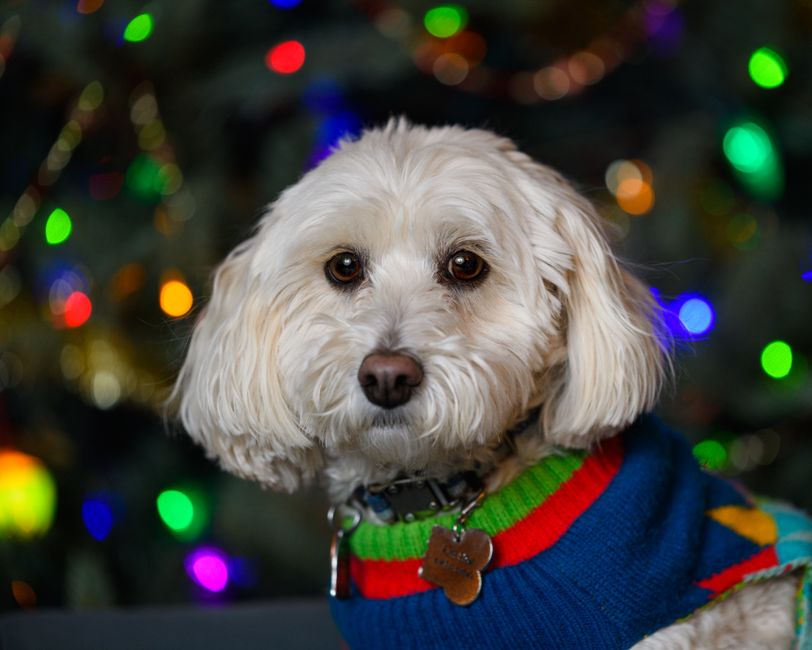
Managing Holiday Decorations with Different Pet Types
Special Considerations for Cat Owners
Cats present unique challenges for winter holiday pet safety due to their climbing abilities and tendency to bat at hanging objects. Secure all hanging decorations well, and avoid anything with small parts that could be swallowed. Cats are particularly attracted to ribbon and string-like materials, so be extra cautious with these items.
Consider your cat’s personality when decorating – if you have a climber, focus decorations on the upper portions of your tree and secure everything extra well. For cats who like to hide, ensure there are no small spaces where they could get trapped behind large decorations.
Dog-Proofing Your Holiday Setup
Dogs, especially puppies and young dogs, explore the world with their mouths, making chew-proof decorations essential. Avoid decorations with small parts, and ensure that anything within tail-wagging height is securely attached. Large dogs can easily knock over decorations with their tails, so consider the “tail level” when placing items.
For dogs who are food-motivated, be especially careful about decorations that might smell interesting or look edible. Gingerbread ornaments, popcorn garlands, and other food-based decorations should be avoided or placed completely out of reach.
Emergency Preparedness and What to Watch For
Despite your best efforts with pet safe christmas decorations, accidents can still happen. Know the signs of holiday decoration-related emergencies: vomiting, diarrhea, lethargy, difficulty breathing, excessive drooling, or unusual behavior could all indicate your pet has ingested something harmful.
Keep your veterinarian’s emergency contact information easily accessible, and know the location of your nearest 24-hour animal hospital. If you suspect your pet has ingested something toxic, contact your vet or the ASPCA Animal Poison Control Center immediately – don’t wait to see if symptoms develop.
Conclusion
Creating a safe holiday environment for your pets doesn’t mean sacrificing beauty or festive cheer. By thoughtfully selecting pet safe christmas decorations, strategically placing potentially hazardous items, and maintaining awareness of winter holiday pet safety principles, you can enjoy a magical holiday season with peace of mind. Remember that the best holiday gift you can give your family is keeping everyone – including your furry members – safe and healthy throughout the celebration. With these practical tips and a little extra planning, you’ll create lasting holiday memories without compromising your pet’s wellbeing.