How to Keep Your Dog’s Paws Safe from Winter Ice and Salt
As winter settles in and sidewalks become slick with ice and coated with salt, many dog owners worry about their furry friend’s delicate paw pads. Those daily walks that both you and your pup cherish can quickly become uncomfortable—or even dangerous—when harsh winter conditions take their toll on sensitive paws. The good news? With the right knowledge and preparation, you can ensure your dog’s paws stay healthy, comfortable, and protected throughout the coldest months of the year.
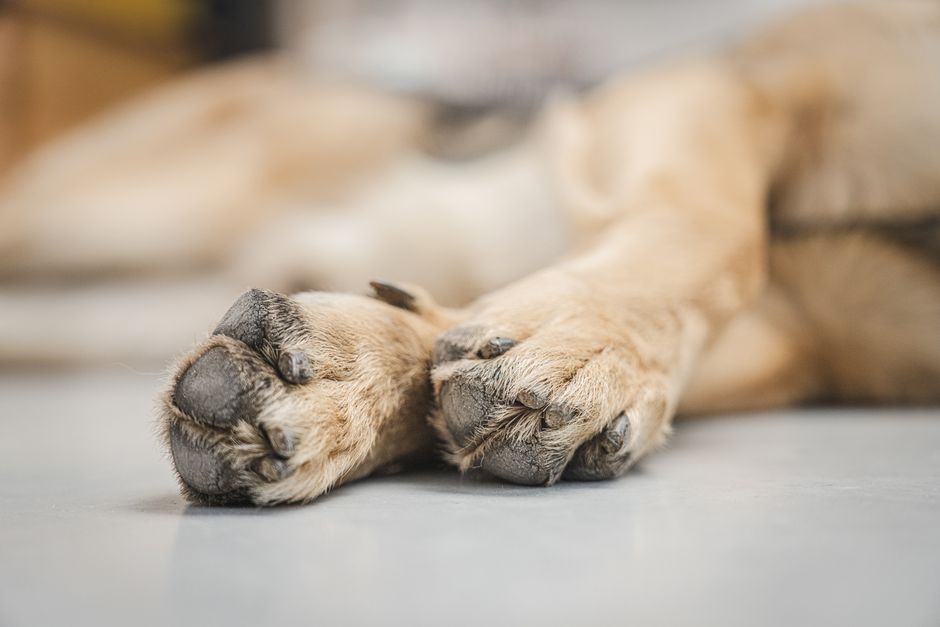
Understanding Winter Hazards for Dog Paws
Before diving into protection strategies, it’s crucial to understand exactly what winter conditions can do to your dog’s paws. Ice and salt present unique challenges that can cause both immediate discomfort and long-term health issues if left unaddressed.
The Ice Factor
Ice creates multiple problems for dogs. Sharp ice crystals can cut delicate paw pads, while prolonged contact with frozen surfaces can lead to frostbite. Additionally, dogs can lose traction on icy surfaces, potentially causing injuries from slips and falls. Even seemingly harmless snow can pack between toes, creating ice balls that cause pain and difficulty walking.
Salt and Chemical De-icers
Road salt and chemical de-icers pose perhaps an even greater threat to dog paw safety. These substances can cause chemical burns, severe irritation, and painful cracking of paw pads. When dogs inevitably lick their paws after walks, they can also ingest these harmful chemicals, leading to stomach upset and other health complications.
Pre-Walk Preparation: Your First Line of Defense
The best approach to dog paw protection combines preventive measures with post-walk care. Start your winter paw protection routine before you even step outside.
Protective Paw Balms
Apply a high-quality paw balm or wax before each winter walk. These products create a protective barrier between your dog’s paw pads and harsh winter elements. Look for balms containing natural ingredients like beeswax, coconut oil, or shea butter. Apply the balm generously to all paw pads and between toes, allowing a few minutes for absorption before heading out.
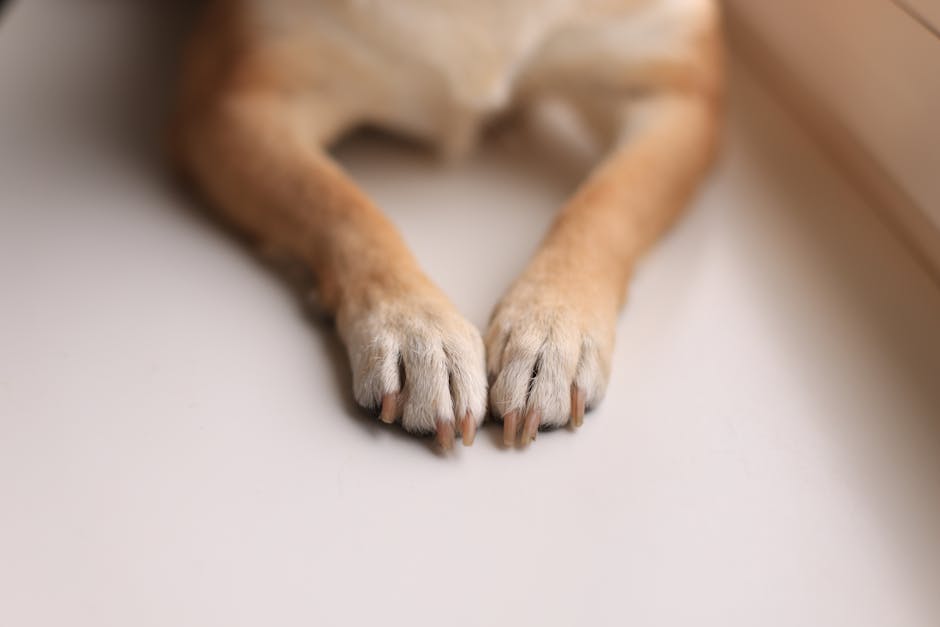
Dog Boots: Maximum Protection
For dogs willing to wear them, protective boots offer the ultimate shield against winter ice and salt. Quality dog boots should fit snugly without being too tight, provide good traction, and be made from waterproof materials. Start introducing boots gradually during warmer weather, allowing your dog to adjust to the sensation before winter arrives.
Smart Walking Strategies for Winter Safety
Adjusting your walking routine can significantly reduce your dog’s exposure to harmful winter conditions while maintaining their exercise needs.
Choose Your Route Wisely
Whenever possible, avoid heavily salted areas like busy sidewalks and roads. Opt for grassy areas, parks, or trails where salt application is minimal. If you must walk on treated surfaces, try to stick to the center of sidewalks where salt concentrations may be lower, and avoid puddles of melted ice and salt.
Timing Matters
Consider shortening walk duration during extremely cold weather or when fresh salt has been applied to surfaces. Multiple shorter walks may be better than one long exposure. Also, try to walk during warmer parts of the day when possible, typically mid-afternoon when temperatures peak.
Post-Walk Paw Care: Essential Recovery Steps
What you do immediately after winter walks is just as important as pre-walk preparation for maintaining healthy paws throughout the season.
Thorough Cleaning
Always clean your dog’s paws after winter walks, even if they appear clean. Use warm (not hot) water to rinse away salt, chemicals, and ice particles. Pay special attention to the spaces between toes where salt and debris commonly lodge. Keep a towel by your door specifically for paw drying to make this routine quick and easy.
Gentle Drying and Inspection
After cleaning, gently dry each paw with a soft towel. Use this opportunity to inspect paw pads for cuts, cracks, redness, or swelling. Early detection of paw problems allows for prompt treatment and prevents minor issues from becoming serious injuries.
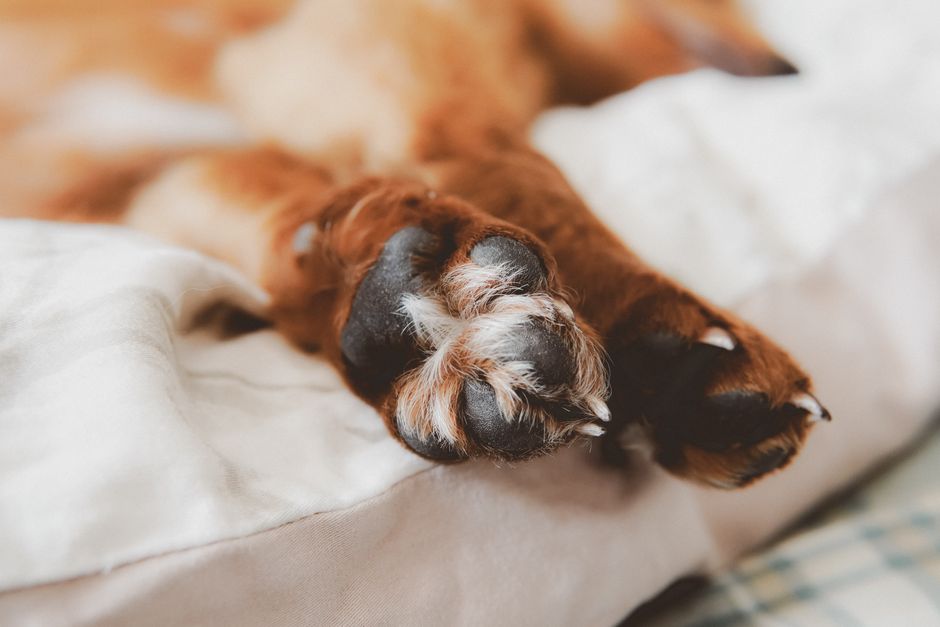
Additional Winter Paw Protection Tips
Maintain Proper Nail Length
Keep your dog’s nails trimmed during winter months. Long nails can cause dogs to spread their toes unnaturally on slippery surfaces, leading to strain and making them more susceptible to ice buildup between toes.
Trim Excess Hair
Carefully trim excess hair between your dog’s toes. While some hair provides natural insulation, too much can trap ice, salt, and snow, creating painful ice balls and prolonging contact with harmful chemicals.
Moisturize Regularly
Even with protective balms, winter air can dry out paw pads. Apply a pet-safe moisturizer to paw pads during particularly dry spells, but avoid human lotions which may contain ingredients harmful to dogs.
When to Seek Veterinary Care
Despite your best efforts, paw injuries can still occur. Watch for signs including persistent limping, excessive licking or chewing of paws, visible cuts or cracks, swelling, or changes in paw pad color. If you notice any of these symptoms, consult your veterinarian promptly.
Conclusion
Protecting your dog’s paws from winter ice and salt doesn’t have to be complicated or time-consuming. By implementing these preventive measures and post-walk care routines, you can ensure your furry companion enjoys safe, comfortable winter walks all season long. Remember that consistency is key—making paw protection part of your daily winter routine will keep those precious pads healthy and pain-free. Your dog’s paws work hard to carry them through their adventures, so investing a few extra minutes in their care will pay dividends in comfort, health, and many more enjoyable winter walks together.