Dog Hiccups: When to Worry and How to Help Your Pup
Picture this: you’re relaxing with your furry friend when suddenly they start making those familiar “hic” sounds that we know all too well. Yes, dogs get hiccups too! While it might seem amusing at first, many pet parents wonder whether dog hiccups are normal or cause for concern. The good news is that hiccups in dogs are usually harmless and temporary, but understanding the causes and knowing when to seek help can give you peace of mind and keep your pup comfortable.
What Exactly Are Dog Hiccups?
Just like in humans, dog hiccups occur when the diaphragm—the muscle that helps with breathing—experiences involuntary spasms. This causes a sudden intake of breath that’s quickly stopped by the closing of the vocal cords, creating that distinctive “hic” sound. While the mechanism is the same across species, dogs might express hiccups slightly differently than we do, sometimes appearing more like small jolts or silent spasms in their chest area.

Common Dog Hiccups Causes
Understanding dog hiccups causes can help you prevent them and know when they’re just a normal part of your pet’s life. Here are the most frequent triggers:
Eating and Drinking Habits
The most common cause of hiccups in dogs relates to their eating and drinking behavior. Dogs who eat too quickly, consume large meals, or gulp down water rapidly are more prone to hiccups. When dogs eat too fast, they swallow excess air along with their food, which can irritate the diaphragm and trigger those telltale spasms.
Temperature Extremes
Very hot or very cold food and water can shock your dog’s system and lead to hiccups. This is particularly common when dogs drink cold water quickly after exercise or consume food that’s been refrigerated.
Excitement and Stress
High emotional states—whether positive excitement or negative stress—can affect your dog’s breathing patterns and potentially trigger hiccups. You might notice this happening when your pup gets worked up about walks, visitors, or new experiences.
Age-Related Factors
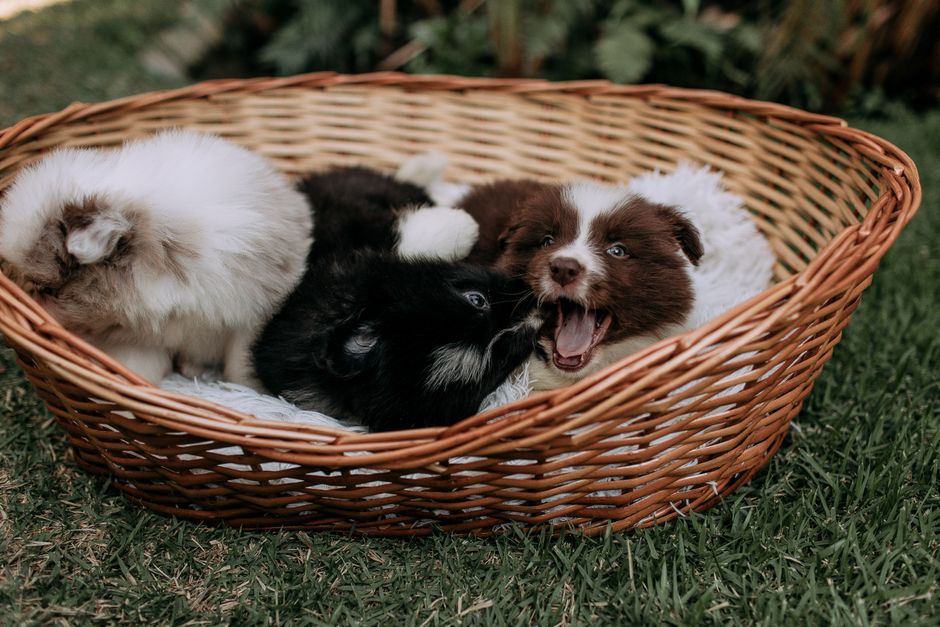
Interestingly, puppy hiccups normal occurrences are much more frequent than in adult dogs. Puppies have less developed diaphragm muscles and often eat more enthusiastically, making them particularly susceptible to hiccups. Most puppies will outgrow frequent hiccups as they mature.
How to Stop Dog Hiccups: Gentle Solutions
When your dog has hiccups, you’ll naturally want to help them feel better. Here are safe, effective methods for how to stop dog hiccups:
Encourage Calm Drinking
Offer your dog a small amount of room-temperature water and encourage them to drink slowly. Sometimes gentle hydration can help reset the diaphragm’s rhythm. Avoid forcing them to drink if they’re not interested.
Light Exercise
A brief, gentle walk or some light movement can help regulate your dog’s breathing and potentially stop the hiccups. Avoid vigorous exercise, which might make the situation worse.
Gentle Chest Massage
Very light, soothing massage of your dog’s chest area can help relax the diaphragm muscles. Use gentle circular motions and stop if your dog seems uncomfortable or the hiccups worsen.
Distraction Techniques
Sometimes simply redirecting your dog’s attention with a favorite toy or treating them to a small, room-temperature treat can help interrupt the hiccup cycle. The key is to avoid anything that might cause excitement or rapid consumption.
Wait It Out
Often, the best approach is simply patience. Most dog hiccups resolve on their own within a few minutes to an hour. Keeping your dog calm and comfortable while they pass is usually the most effective strategy.
When Dog Hiccups Become a Concern
While hiccups are typically harmless, there are certain situations where you should consult your veterinarian:
Duration and Frequency
If hiccups persist for more than a few hours or occur very frequently (several times per week), it’s worth discussing with your vet. Chronic hiccups could indicate an underlying digestive issue or other health concern.
Accompanying Symptoms
Seek veterinary attention if hiccups are accompanied by:
- Difficulty breathing or labored breathing
- Loss of appetite
- Vomiting or regurgitation
- Lethargy or unusual behavior
- Coughing or wheezing
Severe or Violent Hiccups
While most hiccups are mild, if your dog’s hiccups seem particularly forceful or are causing them distress, professional evaluation is recommended.

Prevention: Keeping Hiccups at Bay
The best approach to dog hiccups is often prevention. Here are practical strategies to reduce their occurrence:
Slow Down Meal Time
Use puzzle feeders, slow-feed bowls, or spread kibble on a flat surface to encourage slower eating. This reduces the amount of air your dog swallows with their food.
Smaller, More Frequent Meals
Instead of one or two large meals, consider offering smaller portions more frequently throughout the day. This gentler approach to feeding can significantly reduce hiccup episodes.
Temperature Control
Serve food and water at room temperature, and avoid giving your dog very hot or cold items. This simple adjustment can prevent temperature-shock hiccups.
Calm Environment
Create a peaceful feeding environment free from competition with other pets or excessive excitement. A calm dog is less likely to gulp their food and develop hiccups.
Understanding Puppy Hiccups Normal Development
New puppy owners often worry when they notice frequent hiccups in their young dogs. Remember that puppy hiccups normal development patterns include more frequent episodes that typically decrease as they grow. Puppies between 8-16 weeks old are especially prone to hiccups due to their developing digestive and respiratory systems, enthusiastic eating habits, and higher excitement levels.
Conclusion: Keeping Your Pup Comfortable
Dog hiccups are a common, usually harmless occurrence that most pet parents will encounter at some point. By understanding the common dog hiccups causes—from eating habits to excitement—you can take steps to prevent them and know how to help when they occur. Remember that puppy hiccups normal frequency tends to decrease with age, and most episodes resolve quickly on their own.
The key is knowing when to help and when to simply wait patiently. Focus on prevention through proper feeding practices and maintaining a calm environment, but don’t hesitate to contact your veterinarian if hiccups become frequent, severe, or are accompanied by other concerning symptoms. With the right knowledge and approach, you can keep your furry friend comfortable and healthy, hiccups and all.