Why Does My Cat Keep Throwing Up After Eating?
If you’ve ever watched your beloved feline friend happily devour their meal, only to see them bring it back up minutes later, you’re not alone. Cat vomiting after eating is one of the most common concerns pet parents face, and it can be both worrying and frustrating. While occasional vomiting might not be cause for alarm, frequent episodes of your cat throwing up food warrant attention and understanding. Let’s explore the reasons behind this common feline behavior and discover practical solutions to help your kitty keep their meals down.
Common Reasons Why Cats Vomit After Eating
Eating Too Fast
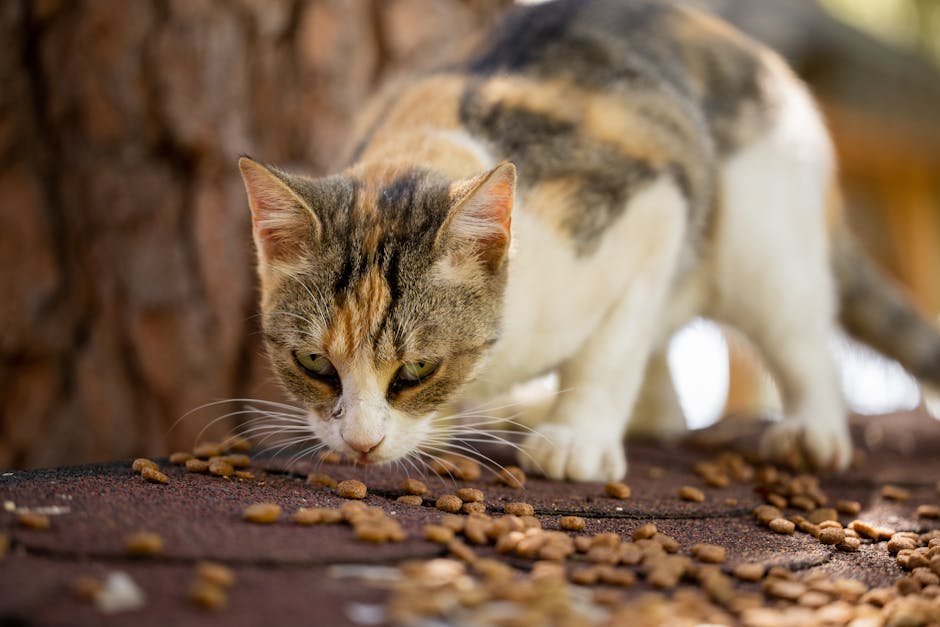
The most frequent culprit behind cat vomiting after eating is simply eating too quickly. When cats gulp down their food rapidly, they swallow excess air along with their meal. This can cause immediate stomach discomfort and lead to regurgitation of undigested food. Fast eating is particularly common in multi-pet households where cats feel they need to compete for food, or in cats who have experienced food scarcity in the past.
Overeating
Some cats have trouble regulating their food intake and may consume more than their stomach can comfortably handle. This is especially true for cats who free-feed or those who are particularly food-motivated. When the stomach becomes overly full, the natural response is to expel the excess food through vomiting.
Food Allergies and Sensitivities
Food allergies or intolerances can cause your cat to throw up after meals. Common allergens include certain proteins (like chicken, beef, or fish), grains, or artificial additives. Unlike eating too fast, allergy-related vomiting may occur hours after eating and is often accompanied by other symptoms like diarrhea, skin irritation, or excessive grooming.
Hairballs
While technically not related to eating, hairballs can cause vomiting that coincides with meal times. If your cat has been grooming excessively or is shedding more than usual, accumulated hair in the digestive tract can trigger vomiting, especially when combined with food.

When to Be Concerned About Your Cat’s Vomiting
Not all instances of cats throwing up food require immediate veterinary attention, but certain red flags should prompt a call to your veterinarian:
- Vomiting occurs more than twice a week
- Blood is present in the vomit
- Your cat shows signs of lethargy, dehydration, or loss of appetite
- Vomiting is accompanied by diarrhea
- Your cat is losing weight
- The behavior is new and persistent
These symptoms could indicate underlying health issues such as inflammatory bowel disease, kidney problems, hyperthyroidism, or other serious conditions that require professional diagnosis and treatment.
Practical Solutions to Reduce Cat Vomiting After Eating
Slow Down Mealtime
If your cat vomiting after eating is due to speed, try these strategies:
- Use puzzle feeders or slow-feed bowls designed to make cats work for their food
- Spread food on a flat plate or cookie sheet to prevent gulping
- Place a large, clean object like a tennis ball in the food bowl to create obstacles
- Feed smaller, more frequent meals throughout the day
Adjust Feeding Schedules and Portions
Instead of one or two large meals, divide your cat’s daily food allowance into three to four smaller portions. This approach helps prevent overeating and reduces the likelihood of your cat throwing up food due to an overstuffed stomach.
Elevate Food Bowls
Raising your cat’s food bowl 3-4 inches off the ground can help with digestion and reduce the amount of air swallowed during eating. This position promotes better posture and can be particularly helpful for older cats or those with neck or back issues.

Consider Food Quality and Ingredients
If you suspect food allergies are causing your cat to throw up after eating, work with your veterinarian to identify potential triggers. Consider switching to:
- Limited ingredient diets
- Novel protein sources your cat hasn’t eaten before
- High-quality foods without artificial additives
- Grain-free options if grain sensitivity is suspected
Maintain Consistent Feeding Routines
Cats thrive on routine, and irregular feeding schedules can contribute to overeating and subsequent vomiting. Establish set meal times and stick to them as closely as possible. This helps regulate your cat’s hunger and prevents the desperation that can lead to rapid eating.
Additional Tips for Managing Cat Vomiting
Beyond addressing the immediate causes of why cats throw up food, consider these supplementary strategies:
Ensure your cat stays well-hydrated by providing fresh water daily and considering wet food options, which have higher moisture content. Regular grooming can help reduce hairball formation, especially during shedding seasons. Keep your cat’s stress levels low, as anxiety can contribute to digestive issues and eating problems.
Monitor your cat’s eating habits closely and keep a food diary noting when vomiting occurs, what was eaten, and any other relevant circumstances. This information can be invaluable for your veterinarian if professional intervention becomes necessary.
Conclusion
Understanding why your cat keeps throwing up after eating is the first step toward finding an effective solution. While fast eating and overeating are the most common culprits, don’t overlook the possibility of food allergies, medical conditions, or stress-related factors. By implementing the practical strategies outlined above—such as slowing down mealtime, adjusting portion sizes, and maintaining consistent feeding routines—you can significantly reduce episodes of cat vomiting after eating. Remember that persistent or severe vomiting always warrants professional veterinary attention. With patience and the right approach, you can help your feline friend enjoy their meals without the unpleasant aftermath, leading to better health and happiness for both of you.