Cat Hiccups Going Viral: When They’re Normal vs Emergency Vet Time
Have you ever watched your feline friend suddenly start making those adorable little “hic” sounds that seem to shake their entire tiny body? If you’ve been scrolling through social media lately, you’ve probably seen countless videos of cats experiencing hiccups, and while they’re undeniably cute, they might leave you wondering: are cat hiccups normal, or should you be rushing to the emergency vet? As a concerned pet parent, understanding the difference between harmless hiccups and potential warning signs could be crucial for your cat’s health and your peace of mind.
What Exactly Are Cat Hiccups?
Cat hiccups work similarly to human hiccups – they’re involuntary contractions of the diaphragm, the muscle that helps your cat breathe. When the diaphragm spasms, it causes a sudden intake of air that gets cut off when the vocal cords snap shut, creating that distinctive “hic” sound we all recognize.
Unlike dogs, cats don’t hiccup as frequently, which is why these viral videos catch our attention so quickly. Most cat hiccups are completely normal and resolve on their own within a few minutes. However, the key is knowing when these seemingly innocent sounds might indicate something more serious.
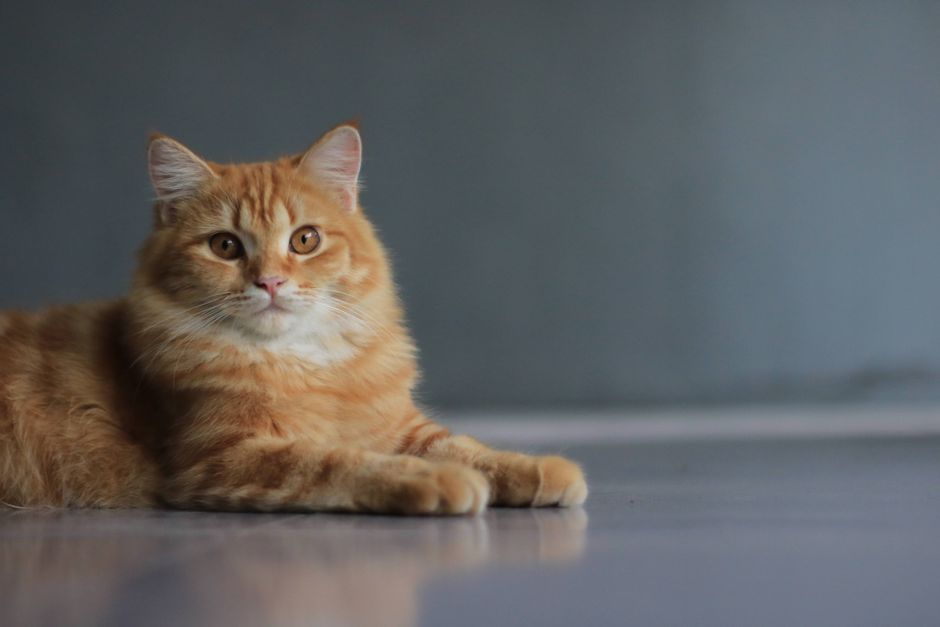
When Cat Hiccups Are Completely Normal
Common Triggers for Normal Hiccups
Most cat hiccups normal episodes occur due to everyday activities and behaviors. Here are the most common causes that don’t require emergency vet attention:
- Eating too quickly: Cats who gobble their food often swallow excess air, leading to hiccups
- Drinking too fast: Similar to eating, rapid water consumption can trigger harmless hiccups
- Excitement or stress: Emotional states can affect breathing patterns and cause temporary hiccups
- Temperature changes: Moving from a warm to cold environment or vice versa
- Grooming: Excessive self-grooming can sometimes lead to air swallowing
Signs That Hiccups Are Normal
You can usually tell that your cat’s hiccups are nothing to worry about when they:
- Last only a few minutes
- Occur infrequently
- Don’t seem to cause distress to your cat
- Happen after eating, drinking, or playing
- Stop on their own without intervention

Red Flag Signs: When Cat Hiccups Signal Emergency Vet Time
While most hiccups are harmless, certain emergency vet signs accompanying hiccups should prompt immediate professional attention. These warning signals could indicate serious underlying conditions that require urgent care.
Immediate Emergency Symptoms
Contact your emergency vet immediately if your cat’s hiccups are accompanied by:
- Difficulty breathing or labored breathing: This could indicate respiratory distress
- Blue or pale gums: A sign of oxygen deprivation
- Excessive drooling or foam at the mouth: May indicate poisoning or severe distress
- Vomiting or retching: Especially if persistent or contains blood
- Loss of consciousness or collapse: Never wait if your cat loses consciousness
- Severe lethargy or inability to move normally: Could indicate serious illness
Concerning Patterns That Warrant Vet Consultation
Schedule a vet appointment (though not necessarily emergency) if you notice:
- Hiccups lasting longer than an hour
- Daily hiccup episodes over several days
- Hiccups accompanied by loss of appetite
- Changes in behavior or activity level
- Hiccups that seem to cause your cat significant discomfort
Practical Tips for Managing Normal Cat Hiccups
When you’ve determined that your cat’s hiccups are normal, here are some gentle ways to help them find relief:
Feeding Modifications
- Use puzzle feeders or slow-feed bowls to prevent rapid eating
- Serve smaller, more frequent meals throughout the day
- Ensure fresh water is always available to prevent desperate drinking
- Consider elevating food and water bowls slightly
Environmental Adjustments
- Create a calm eating environment away from other pets
- Maintain consistent room temperatures when possible
- Provide stress-reducing elements like comfortable hiding spots
- Avoid sudden environmental changes during meal times
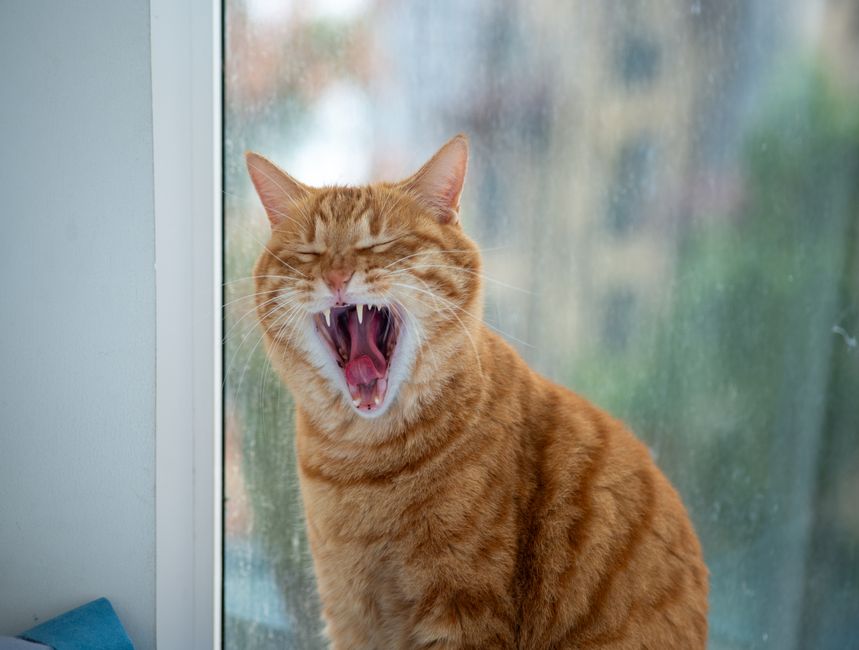
What NOT to Do During Cat Hiccups
While it might be tempting to try human hiccup remedies on your cat, avoid these potentially dangerous approaches:
- Never try to startle your cat to stop hiccups
- Don’t attempt to make them hold their breath
- Avoid giving water if they’re actively hiccupping
- Don’t use any home remedies without vet approval
- Never ignore emergency vet signs while waiting for hiccups to stop
Prevention Strategies for Future Episodes
The best approach to managing cat hiccups is preventing them when possible:
- Monitor your cat’s eating habits and adjust feeding methods accordingly
- Keep your cat’s stress levels low with consistent routines
- Ensure regular vet checkups to catch any underlying issues early
- Maintain a comfortable home environment with stable temperatures
- Consider your cat’s age and adjust care accordingly (kittens and senior cats may be more prone to hiccups)
Conclusion
While those viral cat hiccup videos are undeniably adorable, understanding when cat hiccups normal versus when they signal emergency vet time is essential for every responsible pet owner. Most hiccups are harmless and resolve quickly, especially when they follow eating, drinking, or excitement. However, never ignore emergency vet signs like difficulty breathing, blue gums, or persistent vomiting that accompany hiccups.
Remember, you know your cat better than anyone else. Trust your instincts – if something feels wrong or your cat seems distressed, it’s always better to err on the side of caution and consult with your veterinarian. By staying informed and observant, you can ensure those cute hiccup moments remain just that – adorable memories rather than medical emergencies.