Why Is My Cat Drinking So Much Water? 7 Possible Causes
Have you noticed your feline friend making more frequent trips to their water bowl lately? While it’s wonderful that your cat is staying hydrated, a sudden increase in water consumption can sometimes signal underlying health issues. As a concerned pet parent, understanding the reasons behind your cat drinking excessive water is crucial for maintaining their well-being. Let’s explore the potential causes and what you can do to help your furry companion.
Understanding Normal vs. Excessive Water Consumption in Cats
Before diving into potential causes, it’s important to establish what constitutes normal drinking behavior. On average, cats should consume approximately 3.5-4.5 ounces of water per 5 pounds of body weight daily. However, several factors influence this amount, including diet, activity level, and environmental conditions.
Cat polydipsia causes can range from benign lifestyle changes to serious medical conditions. Polydipsia, the medical term for excessive thirst, becomes concerning when your cat drinks significantly more than usual or shows other accompanying symptoms.
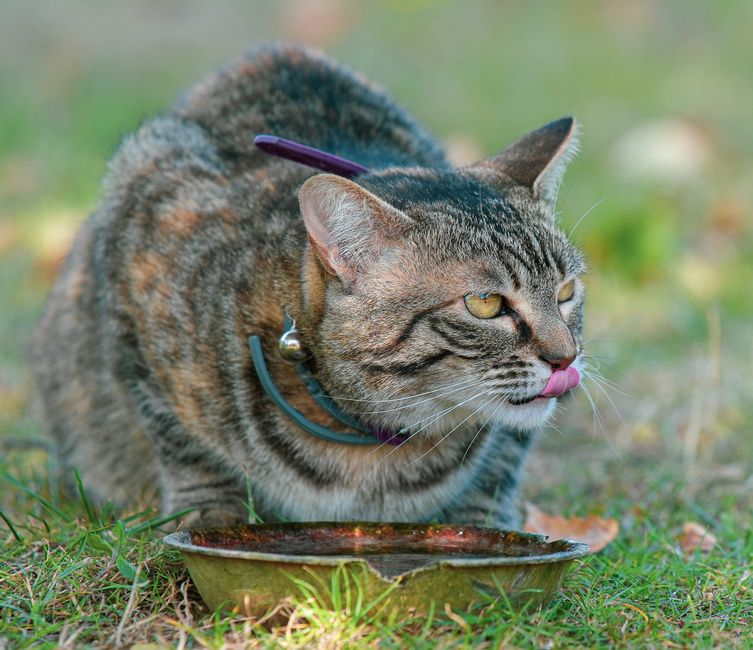
7 Common Reasons Your Cat May Be Drinking More Water
1. Dietary Changes
One of the most straightforward explanations for increased water consumption is a change in diet. Cats eating primarily dry food naturally drink more water than those on wet food diets, as dry kibble contains only 6-10% moisture compared to wet food’s 70-80% water content. If you’ve recently switched from wet to dry food, increased drinking is completely normal and healthy.
2. Environmental Factors
Hot weather, increased indoor heating, or low humidity can cause your cat to drink more water. During summer months or in heated homes during winter, cats naturally increase their fluid intake to maintain proper hydration. Ensure your cat has access to fresh, cool water in multiple locations throughout your home.
3. Increased Activity Levels
More active cats burn more energy and need additional hydration. If you’ve introduced new toys, increased playtime, or if your indoor cat has started spending time outdoors, their water needs will naturally increase. This is a positive sign of a healthy, active lifestyle.

4. Kidney Disease
Unfortunately, kidney disease is common in older cats and represents one of the more serious cat health water concerns. When kidneys aren’t functioning properly, cats drink more water to help flush toxins from their system. Other symptoms include increased urination, weight loss, decreased appetite, and lethargy. Early detection through regular veterinary checkups is crucial for managing this condition.
5. Diabetes Mellitus
Feline diabetes causes increased thirst as the body attempts to flush excess glucose through the urinary system. Diabetic cats typically exhibit the “three P’s”: polydipsia (excessive drinking), polyuria (excessive urination), and polyphagia (excessive eating), often accompanied by weight loss despite increased appetite.
6. Hyperthyroidism
An overactive thyroid gland speeds up your cat’s metabolism, leading to increased water consumption. Common in middle-aged and senior cats, hyperthyroidism also causes weight loss, increased appetite, hyperactivity, and sometimes vomiting or diarrhea. This condition is highly treatable when caught early.
7. Medications and Treatments
Certain medications, including corticosteroids, diuretics, and some antibiotics, can increase thirst as a side effect. If your cat recently started new medication, consult your veterinarian about whether increased water consumption is expected and when you should be concerned.
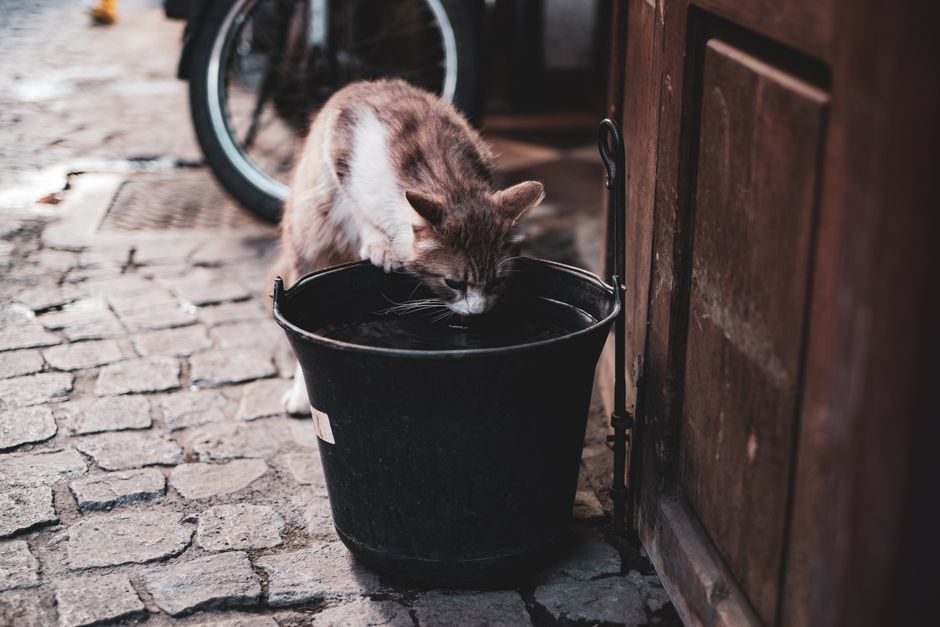
When to Contact Your Veterinarian
While some causes of increased water consumption are harmless, others require immediate medical attention. Schedule a veterinary appointment if you notice:
- Sudden, dramatic increases in water consumption
- Excessive urination accompanying increased drinking
- Changes in appetite (either increased or decreased)
- Weight loss despite normal or increased eating
- Lethargy, vomiting, or changes in behavior
- Bad breath or mouth ulcers
- Changes in litter box habits
Monitoring Your Cat’s Water Intake
To help your veterinarian assess your cat’s condition, start monitoring their water consumption. Measure the amount of water you provide and note how much remains after 24 hours. Keep a simple log noting any changes in eating habits, energy levels, and litter box usage.
Consider these practical tips for accurate monitoring:
- Use measuring cups when filling water bowls
- Account for all water sources (multiple bowls, fountains, faucets)
- Note any water consumed from other sources (dripping faucets, toilet bowls)
- Track patterns over several days rather than single incidents
Supporting Your Cat’s Hydration Needs
Regardless of the underlying cause, ensuring your cat has access to fresh, clean water is essential. Consider these strategies to encourage healthy drinking habits:
- Provide multiple water stations throughout your home
- Clean and refill water bowls daily
- Consider a water fountain to encourage drinking
- Use wide, shallow bowls to prevent whisker fatigue
- Place water bowls away from food and litter areas
The Bottom Line
While discovering your cat drinking excessive water can be concerning, remember that not all causes are serious. Environmental factors, dietary changes, and increased activity often explain temporary increases in water consumption. However, persistent changes warrant veterinary attention, especially when accompanied by other symptoms.
Understanding cat polydipsia causes empowers you to make informed decisions about your pet’s health. Early detection and treatment of underlying conditions significantly improve outcomes, making your vigilance as a pet parent invaluable. When in doubt, consult your veterinarian – they’re your best resource for addressing cat health water concerns and ensuring your feline friend maintains optimal health for years to come.
Remember, you know your cat better than anyone. Trust your instincts, monitor changes carefully, and don’t hesitate to seek professional guidance when something seems off. Your attentiveness could make all the difference in your cat’s health and happiness.