Winter Paw Care: DIY Balm Recipe to Protect Your Dog’s Feet
As the temperature drops and snow begins to blanket our neighborhoods, many dog owners focus on keeping their furry friends warm with cozy sweaters and booties. However, one crucial aspect of winter pet care often gets overlooked: protecting those precious paws from harsh winter conditions. Just like our hands can crack and become painful in cold weather, your dog’s paw pads are vulnerable to ice, salt, snow, and freezing temperatures. The good news? You can create an effective, all-natural paw protection balm right in your own kitchen using simple ingredients that will keep your canine companion comfortable all winter long.
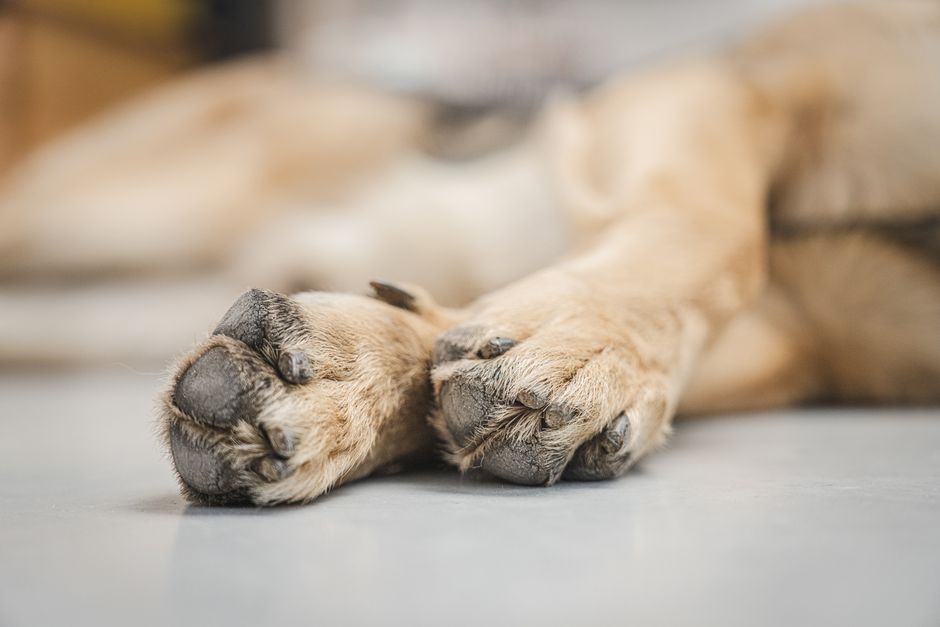
Why Winter Paw Care Is Essential for Your Dog
Winter weather presents unique challenges for our four-legged family members. Unlike humans who can slip on warm socks and waterproof boots, dogs rely solely on their paw pads for protection against the elements. During winter months, these sensitive areas face constant exposure to:
- Ice and snow: Prolonged contact can cause frostbite and painful cracking
- Road salt and de-icing chemicals: These substances can burn paw pads and cause irritation
- Sharp ice crystals: Can cut tender paw tissue
- Extreme temperature fluctuations: Moving from cold outdoor surfaces to warm indoor floors
- Dry winter air: Removes natural moisture from paw pads
Without proper protection, dogs can develop cracked, bleeding, or infected paw pads, making every walk a painful experience. This is where a quality DIY balm recipe becomes invaluable for maintaining your pet’s comfort and mobility throughout the winter season.
Signs Your Dog’s Paws Need Extra Protection
Before diving into our homemade balm recipe, it’s important to recognize when your dog’s paws are crying out for help. Watch for these telltale signs that indicate your pup needs enhanced winter paw care:
Physical Symptoms
- Dry, cracked, or peeling paw pads
- Redness or swelling between toes
- Cuts or abrasions on paw surfaces
- Excessive licking or chewing of paws
- Limping or favoring certain paws
Behavioral Changes
- Reluctance to go outside
- Lifting paws frequently during walks
- Seeking warm surfaces to stand on
- Shortened outdoor activity periods
If you notice any of these symptoms, it’s time to implement a protective paw care routine using our DIY balm recipe.
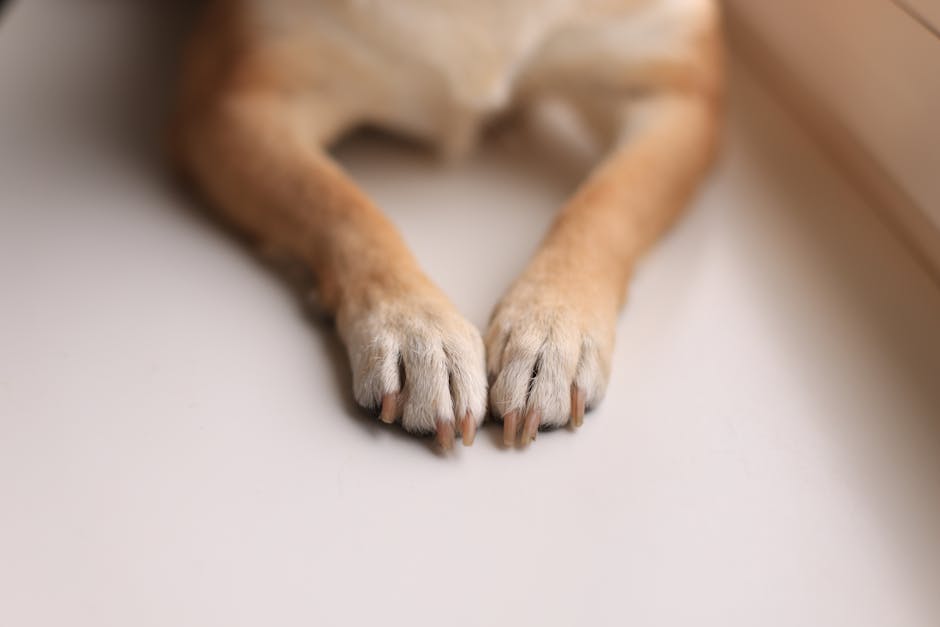
The Ultimate DIY Winter Paw Balm Recipe
This simple yet effective recipe uses natural ingredients that are safe if your dog happens to lick their paws. The combination creates a protective barrier while moisturizing and healing damaged tissue.
Ingredients You’ll Need
- 2 tablespoons coconut oil (organic, unrefined)
- 1 tablespoon beeswax pellets or grated beeswax
- 1 tablespoon shea butter (raw, unprocessed)
- 1 teaspoon vitamin E oil
- Optional: 2-3 drops lavender essential oil for healing properties
Equipment Required
- Double boiler or microwave-safe bowl
- Small storage containers or tins
- Stirring spoon
- Measuring spoons
Step-by-Step Instructions
- Prepare your workspace: Clean all utensils and containers thoroughly
- Melt the base ingredients: Using a double boiler or microwave, gently melt the coconut oil, beeswax, and shea butter together
- Stir until smooth: Combine ingredients thoroughly until you achieve a uniform consistency
- Add vitamin E: Remove from heat and stir in vitamin E oil
- Optional enhancement: Add lavender essential oil if desired (ensure it’s pet-safe)
- Pour and cool: Transfer the mixture into small containers and allow to solidify at room temperature
- Store properly: Keep in a cool, dry place for up to six months
How to Apply Your DIY Balm Effectively
Creating the perfect winter paw care balm is only half the battle – proper application is equally important for maximum protection. Here’s how to use your homemade remedy effectively:
Pre-Walk Application
Apply a thin layer of balm to your dog’s paw pads 15-20 minutes before heading outside. This creates a protective barrier against cold surfaces and harmful chemicals. Massage gently between toes and focus on areas that look dry or cracked.
Post-Walk Care
After returning from winter walks, rinse your dog’s paws with lukewarm water to remove salt, ice, and debris. Dry thoroughly with a soft towel, then apply the balm again to moisturize and heal any minor damage from your outdoor adventure.
Daily Maintenance
Even on days when you don’t venture outside, check your dog’s paws and apply balm as needed. Consistent care prevents problems before they start and keeps paw pads healthy throughout the winter season.
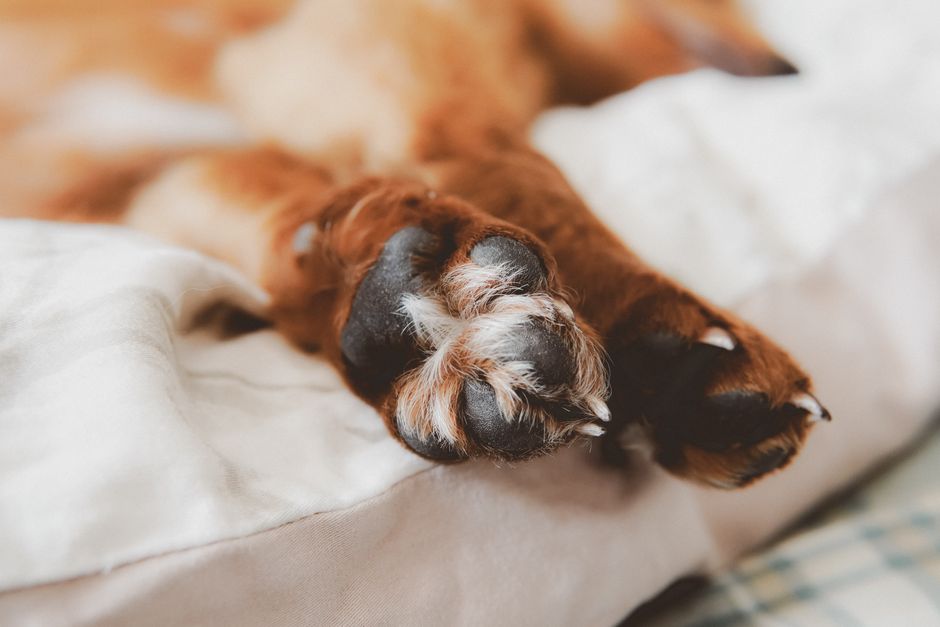
Additional Winter Paw Protection Tips
While your DIY balm recipe provides excellent protection, combining it with these additional strategies creates a comprehensive winter paw care routine:
- Invest in quality booties: For extended outdoor activities or extreme weather
- Choose safe walking routes: Avoid heavily salted areas when possible
- Keep nails trimmed: Proper nail length improves traction and prevents injuries
- Monitor indoor humidity: Use humidifiers to prevent excessive drying
- Schedule regular paw inspections: Early detection prevents serious problems
When to Consult Your Veterinarian
While proper winter paw care and DIY balm application can prevent most cold-weather paw problems, some situations require professional attention. Contact your veterinarian if you notice:
- Deep cuts or puncture wounds
- Signs of infection (pus, strong odor, excessive swelling)
- Persistent limping despite treatment
- Allergic reactions to balm ingredients
- Frostbite symptoms (pale or blue-tinged skin)
Conclusion
Protecting your dog’s feet during winter doesn’t have to be complicated or expensive. This simple DIY balm recipe provides effective protection using natural, safe ingredients that you can easily find and afford. By incorporating regular paw care into your winter routine, you’ll ensure your furry friend stays comfortable, healthy, and ready for all the adventures that the season brings. Remember, consistent application and monitoring are key to successful winter paw care – your dog’s happy, healthy paws will thank you for the extra attention and protection throughout the coldest months of the year.