How to Stop Your Dog from Begging at the Holiday Dinner Table
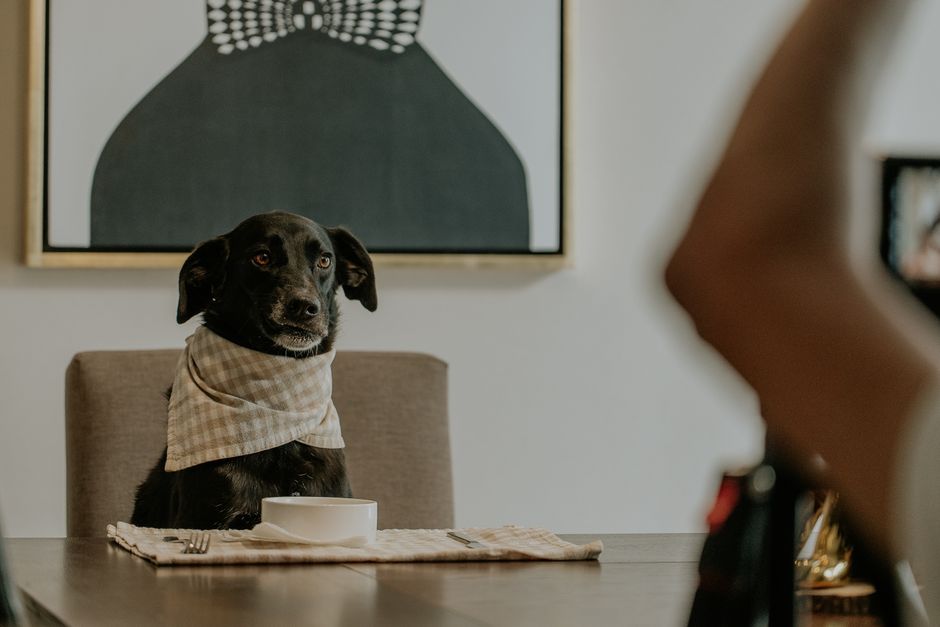
Picture this: you’re sitting down to enjoy a beautifully prepared holiday feast with family and friends, when suddenly those irresistible puppy dog eyes appear right beside your plate. Your furry family member has mastered the art of the guilt trip, complete with gentle whimpers and strategic paw placements. While it might seem harmless to slip Fido a piece of turkey under the table, holiday begging can quickly spiral out of control and create lasting behavioral issues. The good news? With the right approach and consistent training, you can successfully stop dog begging at the table and ensure everyone enjoys a peaceful holiday meal.

Understanding Why Dogs Beg at the Table
Before diving into solutions, it’s essential to understand the psychology behind your dog’s begging behavior. Dogs are opportunistic creatures who quickly learn that meal times equal potential treats. When family members occasionally give in to those pleading eyes, they unknowingly reinforce the begging behavior through intermittent rewards – one of the strongest forms of behavioral conditioning.
During holidays, the problem often intensifies because:
- More people are present, increasing the chances someone will share food
- Holiday meals last longer, providing extended begging opportunities
- Rich, aromatic foods create stronger temptations for your pet
- Guests may not understand your household rules about feeding dogs
Effective Strategies to Train Your Dog Not to Beg
Start with the “Place” Command
One of the most effective ways to train your dog not to beg is teaching them the “place” command. This involves designating a specific spot where your dog must stay during meal times. Choose a comfortable area with a dog bed or mat, positioned where your pet can still see the family but is far enough from the table to resist temptation.
Begin training this command well before the holidays:
- Lead your dog to their designated spot
- Say “place” clearly and reward them when they lie down
- Gradually increase the duration they must stay in place
- Practice during regular meals until it becomes routine
Implement the “Ignore” Strategy
Consistency is crucial when addressing holiday dog behavior. Every family member and guest must understand that acknowledging begging behavior – even saying “no” or pushing the dog away – provides attention that reinforces the unwanted behavior. Instead, everyone should completely ignore begging attempts.
This means:
- No eye contact with your begging dog
- No verbal responses or corrections
- No physical interaction or pushing away
- Continuing conversations and meals as if the dog isn’t there
Create Positive Distractions
Rather than simply telling your dog what not to do, give them something appropriate to focus on during meal times. High-value distractions can redirect their attention away from your dinner plate.
Effective distractions include:
- Puzzle toys filled with treats
- Long-lasting chews like bully sticks or Kong toys
- Frozen treats that take time to consume
- Interactive feeders that challenge their minds
Preparing for Holiday Gatherings
Set Clear Boundaries with Guests
Holiday gatherings present unique challenges because well-meaning guests often want to share food with your pet. Communicate your household rules clearly before the meal begins. Explain that feeding your dog from the table undermines training efforts and can lead to digestive issues from rich holiday foods.
Consider creating a simple sign for your dining area that reminds everyone: “Please don’t feed the dog – we’re working on training!”
Exercise Before the Meal
A tired dog is generally a well-behaved dog. Plan a longer walk or engaging play session before your holiday meal. This physical activity will help reduce your dog’s energy levels and make them more likely to settle in their designated place during dinner.

Feed Your Dog First
Ensure your dog has eaten their regular meal before your holiday feast begins. A satisfied dog is less motivated to beg for additional food. You might even consider giving them a special dog-safe “holiday meal” at the same time your family eats, creating a positive parallel experience.
Common Mistakes to Avoid
Even well-intentioned pet owners can inadvertently sabotage their training efforts. Avoid these common pitfalls:
- Inconsistent rules: Allowing begging sometimes but not others confuses your dog
- Giving in “just this once”: Holiday exceptions can undo weeks of training
- Punishment-based approaches: Yelling or physical corrections can increase anxiety and worsen behavior
- Forgetting to reward good behavior: Always acknowledge when your dog follows the rules
Long-term Success Strategies
Remember that changing established begging behavior takes time and patience. Most dogs need several weeks of consistent training to develop new habits. Stay committed to your approach, even when progress seems slow.
Reinforce positive behavior by:
- Praising your dog when they stay in their designated place
- Offering special treats after meals for good behavior
- Maintaining consistent rules during everyday meals, not just holidays
- Gradually increasing the challenge by having longer meals or more guests
Conclusion
Successfully stopping your dog from begging at the holiday dinner table requires patience, consistency, and a proactive approach. By implementing strategies like the “place” command, ignoring unwanted behavior, and providing appropriate distractions, you can train your dog not to beg and create a more peaceful dining experience for everyone. Remember that managing holiday dog behavior is an investment in your pet’s long-term training and your family’s enjoyment of special occasions. Start practicing these techniques well before your next gathering, stay consistent with your approach, and soon you’ll be able to enjoy holiday meals without those persistent puppy dog eyes staring longingly at your plate. With dedication and the right strategies, both you and your four-legged family member can have a stress-free holiday season.