Is Your Cat Actually Depressed? 7 Warning Signs Pet Owners Miss
Your usually playful tabby has been hiding under the bed for days, barely touching their favorite salmon treats. While cats are known for their independent nature, dramatic changes in behavior could signal something more serious than typical feline aloofness. Cat depression is a real condition that affects millions of pets worldwide, yet many loving owners miss the subtle warning signs until the problem becomes severe. Understanding these symptoms early can make all the difference in your furry friend’s mental health and overall wellbeing.

Understanding Feline Depression: More Common Than You Think
Just like humans, cats can experience depression—a complex emotional state that affects their daily life, appetite, and social interactions. Unlike the stereotypical image of cats being naturally withdrawn, depressed cats exhibit distinct behavioral changes that differ significantly from their normal personality. Environmental changes, loss of a companion, illness, or even seasonal shifts can trigger depressive episodes in sensitive felines.
The challenge for pet owners lies in recognizing these cat depression signs early, as our feline friends can’t verbally communicate their emotional struggles. Instead, they rely on behavioral cues and physical symptoms to express their distress.
7 Critical Warning Signs Your Cat May Be Depressed
1. Dramatic Changes in Sleep Patterns
While cats naturally sleep 12-16 hours daily, depressed cats often exhibit extreme changes in their rest cycles. You might notice your cat sleeping significantly more than usual, appearing lethargic even during their typical active periods, or conversely, experiencing insomnia and restlessness during normal sleep hours. Pay attention to where they sleep too—isolation in unusual hiding spots often indicates emotional distress.
2. Loss of Appetite and Eating Habits
One of the most noticeable cat depression symptoms involves dramatic shifts in eating behavior. Depressed cats may completely ignore their favorite foods, eat significantly less than normal, or show no interest in treats that previously excited them. Some cats may also overeat as a coping mechanism, though this is less common than appetite loss.
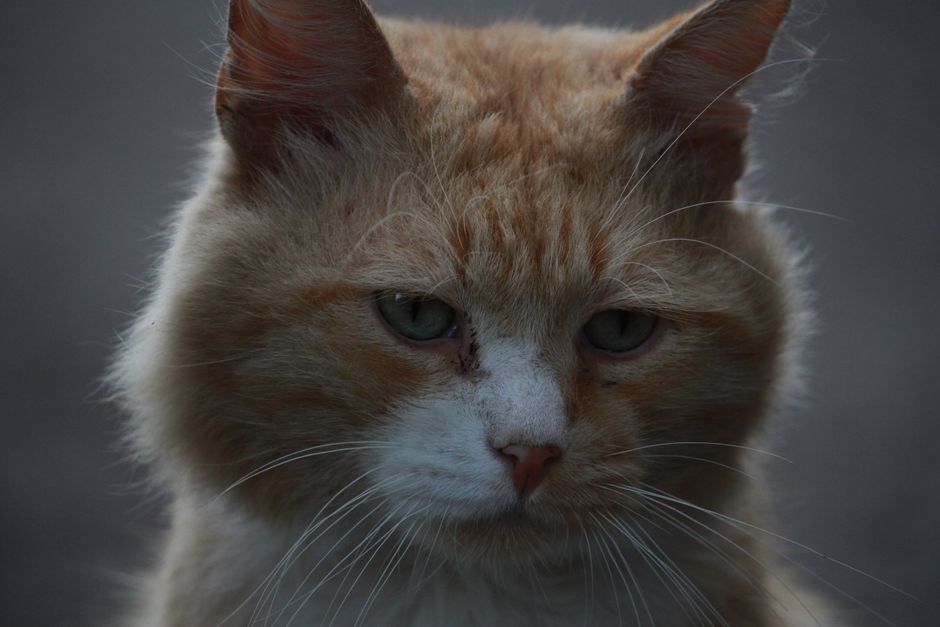
3. Withdrawal from Social Interaction
Cats experiencing depression often retreat from family activities and avoid their favorite social spots. If your typically social cat stops greeting you at the door, no longer seeks lap time, or hides when visitors arrive, these behavioral changes warrant attention. Even independent cats usually maintain some level of social engagement with their humans.
4. Decreased Grooming and Personal Hygiene
Cats are naturally meticulous groomers, spending 30-50% of their waking hours cleaning themselves. When depression strikes, this instinctive behavior often diminishes dramatically. You may notice your cat’s fur becoming matted, greasy, or unkempt, or observe them neglecting areas they previously kept pristine.
5. Loss of Interest in Play and Activities
Depressed cats frequently abandon activities they once enjoyed. Favorite toys gather dust, climbing trees go unused, and interactive play sessions fail to capture their attention. This behavioral shift is particularly noticeable in previously active cats who suddenly show zero interest in games or exploration.
6. Vocalization Changes
Cat depression behavior often includes significant changes in vocal patterns. Some cats become unusually quiet, stopping their normal purring, chirping, or chattering. Others may vocalize excessively, producing mournful yowls or persistent meowing that seems to communicate distress or discomfort.
7. Inappropriate Elimination or Litter Box Issues
Sudden changes in bathroom habits often signal emotional distress in cats. Depressed cats may avoid their litter box entirely, eliminate in unusual locations, or show changes in frequency. Since medical issues can also cause these problems, veterinary evaluation is essential to rule out physical causes.

What Triggers Depression in Cats?
Understanding potential triggers helps identify why your cat might be experiencing these symptoms. Common causes include:
- Moving to a new home or major environmental changes
- Loss of a human family member or animal companion
- Addition of new pets or family members
- Chronic illness or pain
- Lack of mental stimulation or boredom
- Seasonal changes or reduced sunlight exposure
- Disruption of routine or schedule changes
Taking Action: How to Help Your Depressed Cat
Immediate Steps You Can Take
When you notice cat depression signs, start with gentle interventions at home. Maintain consistent routines, offer extra attention without being overwhelming, and ensure their environment feels safe and comfortable. Try engaging them with new toys, puzzle feeders, or different types of play to spark interest.
Creating a Supportive Environment
Enhance your cat’s living space with comfortable hiding spots, perches near windows for outdoor viewing, and interactive elements like scratching posts or climbing trees. Some cats benefit from calming aids like pheromone diffusers or gentle background music designed for pets.
When to Consult Your Veterinarian
If cat depression symptoms persist for more than a few days or worsen over time, schedule a veterinary appointment. Your vet can rule out underlying medical conditions and discuss treatment options, which might include behavioral therapy, environmental modifications, or in severe cases, anti-anxiety medications specifically designed for cats.
Supporting Your Feline Friend’s Mental Health Journey
Recognizing cat depression signs early and taking appropriate action can significantly improve your pet’s quality of life. Remember that recovery takes time, and patience is essential as you work together to address their emotional needs. With proper attention and care, most cats can overcome depression and return to their happy, healthy selves.
Your cat depends on you to notice when something isn’t quite right. By staying alert to these warning signs and responding with compassion and appropriate intervention, you’re providing the best possible care for your feline companion’s physical and emotional wellbeing. Trust your instincts—if something seems off with your cat’s behavior, don’t hesitate to seek professional guidance from your veterinarian.