Is My Senior Cat Drinking Too Much Water? When to Worry About Increased Thirst
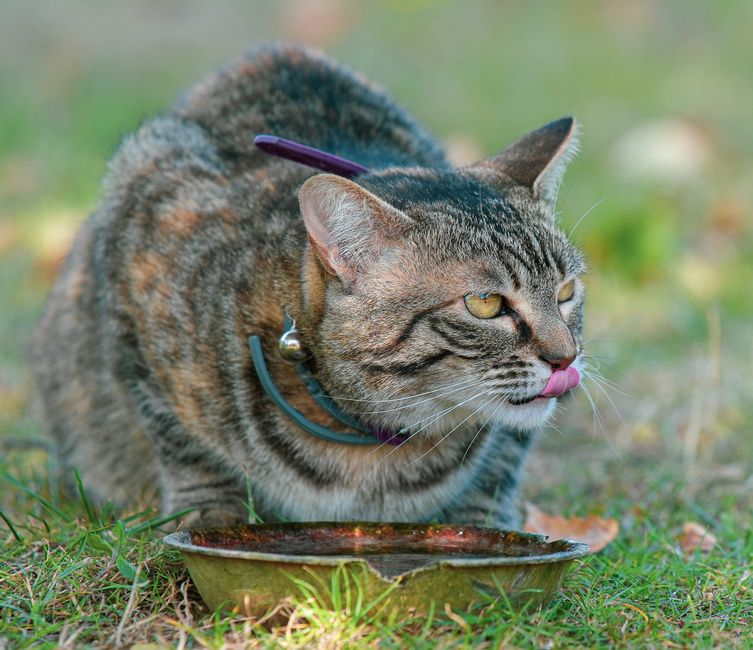
Have you noticed your beloved senior cat spending more time at the water bowl lately? While it’s heartwarming to see our feline friends staying hydrated, excessive water consumption in older cats can sometimes signal underlying health concerns. As responsible pet parents, understanding when increased thirst is normal aging behavior versus a red flag requiring veterinary attention is crucial for maintaining your cat’s quality of life in their golden years.
Understanding Normal vs. Excessive Water Consumption in Senior Cats
Before diving into potential concerns, it’s important to establish what constitutes normal water intake for cats. Generally, a healthy cat should drink approximately 3.5-4.5 ounces of water per 5 pounds of body weight daily. However, senior cat drinking too much water becomes a concern when consumption exceeds this range significantly.
Normal factors that might increase your senior cat’s water intake include:
- Dry food diets (cats on wet food typically drink less)
- Warmer weather or heated indoor environments
- Increased activity levels
- Natural aging processes affecting kidney function
How to Monitor Your Cat’s Water Intake
To determine if your senior cat is drinking excessively, try measuring their daily water consumption for a few days. Use a measuring cup to fill their water bowl and note how much remains after 24 hours. This baseline will help you identify concerning changes and provide valuable information to your veterinarian.
Common Health Conditions Causing Excessive Thirst in Senior Cats
When cat excessive thirst becomes apparent, several health conditions common in older felines could be the culprit. Understanding these conditions helps pet owners recognize when professional veterinary care is necessary.
Kidney Disease
Chronic kidney disease affects up to 30% of cats over 10 years old, making it one of the most prevalent old cat health problems. As kidney function declines, cats lose their ability to concentrate urine effectively, leading to increased urination and compensatory drinking. Early signs include:
- Increased water consumption and urination
- Weight loss despite normal appetite
- Poor coat quality
- Occasional vomiting
Diabetes Mellitus
Feline diabetes, while less common than kidney disease, significantly impacts senior cats’ water consumption. When blood sugar levels remain elevated, cats experience excessive thirst as their bodies attempt to flush out excess glucose through urination. Additional symptoms include:
- Increased appetite with weight loss
- Lethargy and weakness
- Sweet-smelling breath
- Frequent urination with possible accidents outside the litter box
Hyperthyroidism
An overactive thyroid gland accelerates your cat’s metabolism, often resulting in increased water consumption alongside other noticeable changes. This condition typically affects cats over 8 years old and presents with:
- Weight loss despite increased appetite
- Hyperactivity or restlessness
- Vomiting or diarrhea
- Poor coat condition

When to Contact Your Veterinarian
While occasional increases in water consumption might not warrant immediate concern, certain situations require prompt veterinary attention. Contact your veterinarian if you notice:
- Sudden, dramatic increases in water consumption lasting more than 2-3 days
- Excessive thirst accompanied by changes in urination patterns
- Additional symptoms like vomiting, diarrhea, weight loss, or lethargy
- Behavioral changes such as hiding, aggression, or loss of appetite
- Any combination of increased drinking with other concerning signs
Preparing for Your Veterinary Visit
To help your veterinarian diagnose potential issues effectively, come prepared with:
- Specific measurements of daily water consumption
- Notes about urination frequency and litter box usage
- Documentation of any additional symptoms or behavioral changes
- Information about diet, medications, and recent environmental changes
Practical Tips for Managing Your Senior Cat’s Hydration
Whether your cat’s increased thirst stems from medical conditions or natural aging, several strategies can help maintain their comfort and health:
Optimize Water Accessibility
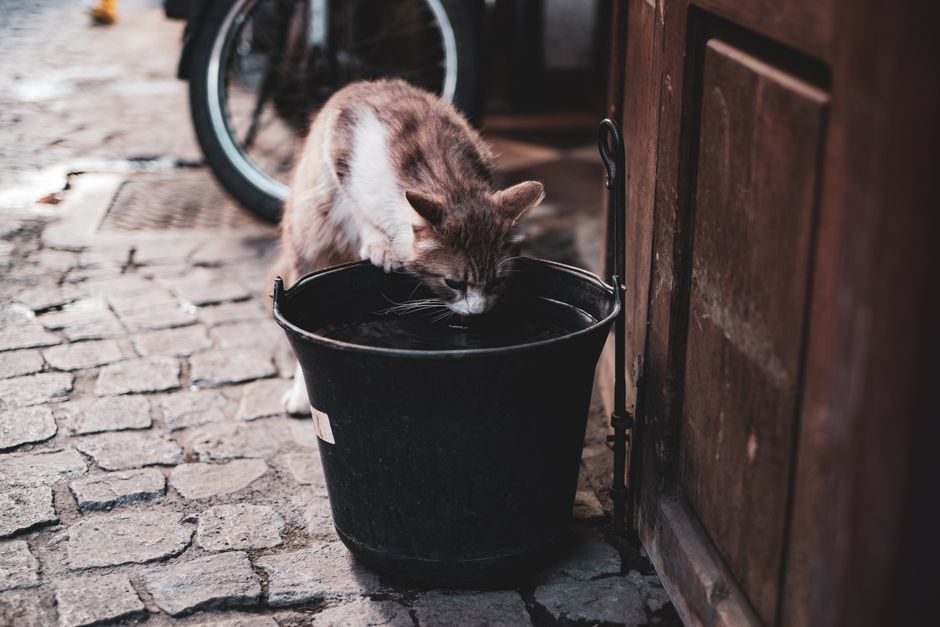
Make fresh, clean water readily available throughout your home. Consider:
- Placing multiple water bowls in different locations
- Using shallow, wide bowls that don’t touch whiskers
- Trying water fountains, as many cats prefer moving water
- Cleaning bowls regularly to prevent bacterial buildup
Monitor and Document Changes
Keep a simple log of your senior cat’s drinking habits, noting any correlations with weather, diet changes, or health symptoms. This information proves invaluable for veterinary consultations and ongoing health management.
Supporting Your Senior Cat’s Overall Health
Beyond addressing excessive thirst, supporting your senior cat’s general wellbeing involves:
- Scheduling regular veterinary checkups every 6 months
- Maintaining a consistent, high-quality diet appropriate for senior cats
- Providing comfortable, easily accessible sleeping areas
- Monitoring weight and body condition regularly
- Creating a stress-free environment with familiar routines
The Importance of Early Detection
Many old cat health problems progress gradually, making early detection crucial for successful management. Regular monitoring of drinking habits, combined with routine veterinary care, significantly improves outcomes for conditions like kidney disease, diabetes, and hyperthyroidism.
Conclusion: Balancing Vigilance with Peace of Mind
While discovering your senior cat drinking too much water can be concerning, remember that increased thirst doesn’t automatically indicate serious illness. Some senior cats naturally drink more as they age, and environmental factors often play significant roles in consumption patterns.
The key lies in observation and communication with your veterinary team. By monitoring your cat’s drinking habits, staying alert to accompanying symptoms, and maintaining regular veterinary checkups, you’re providing the best possible care for your feline companion’s golden years.
Remember, you know your cat better than anyone. Trust your instincts—if something seems off, don’t hesitate to consult your veterinarian. Early intervention often leads to better outcomes, ensuring your senior cat continues enjoying a comfortable, healthy life filled with purrs, cuddles, and yes, appropriate amounts of fresh water.