Why Does My Cat Stare at Me While I Sleep? 5 Creepy Reasons Explained
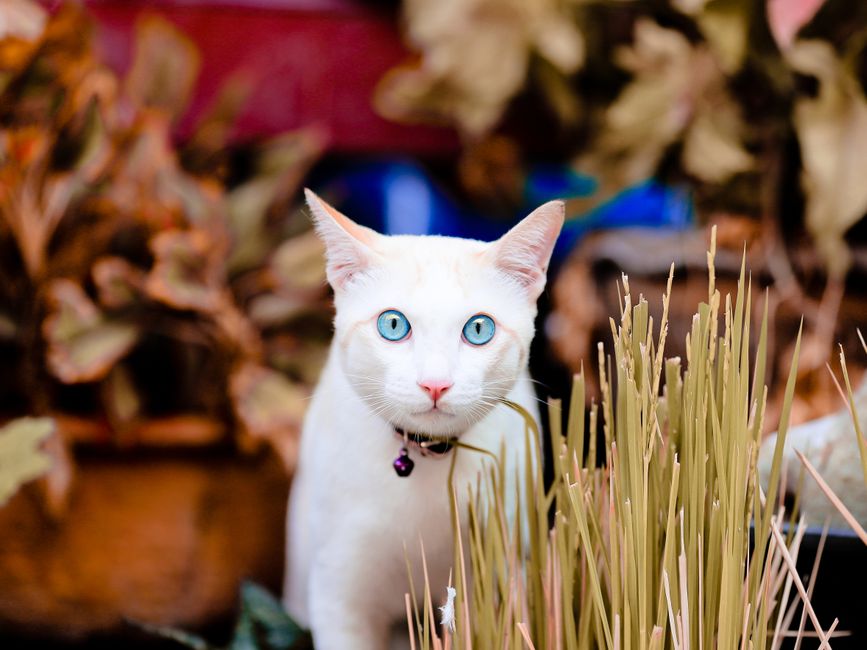
Picture this: you wake up in the middle of the night and find your cat sitting beside your bed, staring at you with those luminous eyes gleaming in the darkness. If you’re wondering “why does my cat stare at me while I sleep,” you’re not alone. This seemingly eerie behavior has puzzled cat owners for generations, but the truth is far less sinister than it appears. Understanding why cats stare can help you appreciate your feline companion’s unique communication style and strengthen your bond with them.
The Science Behind Feline Sleep Behavior
Before diving into the specific reasons why cats stare at sleeping humans, it’s important to understand how cats perceive sleep and their natural behavioral patterns. Cats are crepuscular creatures, meaning they’re most active during dawn and dusk hours. While you’re settling into deep sleep, your cat is often entering their prime time for activity and observation.
Cats have evolved as both predators and prey in the wild, which means they’ve developed heightened senses and a natural inclination to monitor their environment – including you. Your sleeping form doesn’t go unnoticed by your vigilant feline friend.

5 Reasons Why Your Cat Stares at You While You Sleep
1. They’re Protecting You
One of the most heartwarming explanations for cats staring at sleeping owners is their protective instinct. Despite their reputation for independence, cats often form strong bonds with their human families. When your cat stares at you while you sleep, they may be acting as a self-appointed guardian, watching over you during your most vulnerable state.
This behavior is particularly common in cats who view their owners as part of their family unit or “pride.” Your cat’s stare might be their way of keeping watch for potential threats while you’re defenseless during sleep.
2. You’re Moving or Making Noise
Cats are incredibly sensitive to movement and sound. If you’re tossing and turning, snoring, or making other sleep sounds, your cat’s attention will naturally be drawn to you. What seems like deliberate staring might simply be your cat responding to the subtle movements and noises you make throughout the night.
Sleep talking, restless leg movements, or even changes in your breathing pattern can trigger your cat’s curiosity, leading to that intense feline stare you wake up to.
3. They’re Waiting for Food or Attention
Let’s face it – cats are masters of routine and have an internal clock that rivals any alarm. If your cat is used to being fed at a certain time or receiving morning attention, they might position themselves near your bed and stare, waiting for you to wake up and fulfill their expectations.
This behavior is especially common in cats who have trained their humans to respond to their needs on demand. Your cat’s stare might be their way of willing you to wake up and attend to them.
4. Curiosity and Fascination
Cats are naturally curious creatures, and human sleep behavior can be genuinely fascinating to them. Think about it from your cat’s perspective: you spend hours lying motionless, occasionally moving or making sounds, completely unaware of your surroundings. This unusual behavior might simply captivate your cat’s attention.
Additionally, cats may be trying to understand your sleep patterns or figure out when you’ll be available for interaction again. Your sleeping form presents an intriguing puzzle for your intellectually curious feline.
5. Seeking Warmth and Comfort
Cats are heat-seekers by nature, and your bed represents a warm, comfortable spot. When cats stare at you while you sleep, they might be contemplating whether to join you for warmth and companionship. Some cats prefer to observe before deciding whether to settle down next to their sleeping human.
This behavior often leads to your cat eventually curling up near you, using you as a personal heating pad while remaining alert to their surroundings.
How to Respond to Your Cat’s Nighttime Staring
Understanding why cats stare at sleeping humans is one thing, but knowing how to respond is another. Here are some practical tips for managing this behavior:
Create a Comfortable Sleeping Environment
Ensure your cat has their own comfortable sleeping area near your bed. A soft blanket, cat bed, or designated spot can give them a place to rest while still being close to you. This can reduce the intensity of their staring behavior while maintaining their sense of security.
Establish Consistent Routines
If your cat’s staring is related to feeding times or attention-seeking, establishing consistent daily routines can help. Feed your cat at regular times and provide adequate play and attention during their active hours to reduce nighttime demands.
Don’t Reward the Behavior
While it might be tempting to pet or feed your cat when you wake up to find them staring, this can reinforce the behavior. If the staring becomes disruptive to your sleep, avoid immediately responding with attention or treats.

When Cat Staring Might Be Concerning
While most instances of cats staring at sleeping owners are harmless, there are times when this behavior might indicate underlying issues. If your cat’s staring is accompanied by excessive vocalization, signs of distress, or sudden changes in behavior, it might be worth consulting with your veterinarian.
Additionally, if the staring behavior is new and coincides with other concerning symptoms like loss of appetite, lethargy, or changes in litter box habits, professional evaluation may be necessary.
Building a Better Bond With Your Nocturnal Companion
Instead of being creeped out by your cat’s nighttime vigilance, try to appreciate it as a sign of your strong bond. Cats don’t waste their attention on things they don’t care about, so your cat’s focus on you – even while you sleep – is actually a compliment.
Consider engaging in pre-bedtime play sessions to help tire out your cat and align their sleep schedule more closely with yours. Interactive toys, puzzle feeders, and scheduled play time can help reduce nighttime restlessness and staring behavior.
Conclusion
The next time you wake up wondering “why does my cat stare at me while I sleep,” remember that this behavior is typically rooted in love, protection, curiosity, or basic needs rather than anything sinister. Your cat’s nighttime vigilance is often a testament to the bond you share and their natural instincts to care for their family members. By understanding these motivations and implementing appropriate responses, you can ensure both you and your feline friend get the restful sleep you need while maintaining your special relationship. Sweet dreams – and don’t worry about those glowing eyes watching over you!