Why Does My Cat Stare at Me? 7 Reasons Behind Those Intense Looks
Have you ever caught your feline friend giving you that penetrating, unblinking stare that seems to look straight into your soul? If you’re wondering why your cat is staring at you with such intensity, you’re not alone. This common feline behavior has puzzled cat owners for generations, but the truth is, there are several fascinating reasons behind those mesmerizing gazes. Understanding why cats stare can help you better connect with your furry companion and respond appropriately to their needs.

1. Your Cat Is Showing Love and Affection
One of the most heartwarming reasons for cat staring at owner is pure affection. When your cat looks at you with half-closed eyes or gives you a slow blink, they’re essentially giving you a “cat kiss.” This behavior is often accompanied by purring and indicates that your cat feels safe, comfortable, and genuinely fond of you.
Cats don’t maintain eye contact with beings they perceive as threats, so sustained, relaxed staring is actually a compliment. If you want to reciprocate this affection, try giving your cat a slow blink back – many cats will respond positively to this gesture of trust and love.
2. They’re Trying to Communicate a Need
Cats are incredibly intelligent and have learned that staring at their humans often gets results. If your cat is staring at you intensely, especially around meal times or near their food bowl, they’re likely trying to communicate a specific need. Common requests include:
- Hunger or thirst
- Desire to go outside
- Need for attention or petting
- Request to play
- Litter box maintenance needed
Pay attention to the context and timing of these stares to better understand what your cat might be asking for.
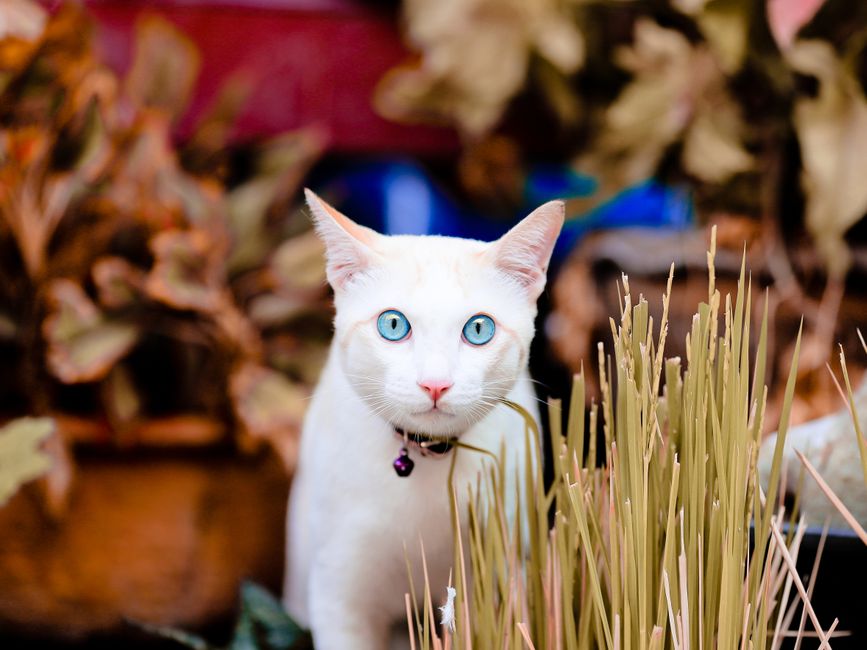
3. Curiosity and Interest in Your Activities
Cats are naturally curious creatures, and they often find human behavior fascinating. If you notice why cats stare when you’re doing specific activities like cooking, working on a computer, or getting dressed, it’s likely because they’re genuinely interested in what you’re doing.
This type of staring is usually relaxed and observational. Your cat might tilt their head, twitch their ears, or move closer to get a better view. It’s their way of staying involved in your daily routine and learning about their environment.
4. Hunting Instincts and Predatory Behavior
Sometimes, that intense stare has nothing to do with you personally and everything to do with your cat’s natural hunting instincts. If your cat’s pupils are dilated, their body is tense, and they’re completely focused, they might be in “hunt mode.”
This could be triggered by:
- Small movements you’re making
- Shadows or reflections
- Something behind or near you
- Your jewelry or clothing moving
This type of staring is usually brief and intense, often followed by pouncing or playful attacks.
5. Seeking Attention and Social Interaction
Many cats have learned that staring at their owners is an effective way to initiate social interaction. If your cat stares at you and then meows, approaches you, or starts purring when you acknowledge them, they’re likely seeking attention and companionship.
This behavior is particularly common in social cat breeds and cats that have strong bonds with their owners. Responding positively to these attention-seeking stares can strengthen your relationship with your feline friend.

6. Stress, Anxiety, or Territorial Concerns
Not all cat staring is positive. Sometimes, cats stare due to stress, anxiety, or territorial concerns. Signs that your cat’s staring might indicate distress include:
- Dilated pupils
- Tense body posture
- Flattened ears
- Tail twitching or puffed up
- Vocalizations like hissing or growling
If you notice these signs, give your cat space and try to identify potential stressors in their environment. Recent changes in routine, new pets, or unfamiliar scents could be causing anxiety.
7. Medical Issues or Discomfort
In some cases, excessive or unusual staring behavior could indicate underlying health issues. Cats experiencing pain, vision problems, or cognitive dysfunction might exhibit changes in their staring patterns. If your cat’s staring behavior suddenly changes or is accompanied by other concerning symptoms like:
- Loss of appetite
- Lethargy
- Changes in bathroom habits
- Excessive vocalization
- Disorientation
It’s important to consult with your veterinarian to rule out any medical concerns.
How to Respond to Your Cat’s Staring
Understanding the reason behind your cat’s stare will help you respond appropriately:
For Affectionate Stares:
Return slow blinks, speak softly, or offer gentle petting if your cat approaches.
For Need-Based Stares:
Check their food, water, litter box, and consider if they might want attention or playtime.
For Curious Stares:
Let your cat observe, and consider involving them in safe activities they seem interested in.
For Stressed Stares:
Give your cat space, remove potential stressors, and create a calm environment.
Building a Stronger Bond Through Understanding
Recognizing why your cat stares at you is just one piece of understanding feline communication. The more you learn about your cat’s body language and behaviors, the stronger your bond will become. Remember that every cat is unique, and what applies to one might not apply to another.
Those intense stares from your feline companion are rarely cause for concern and often indicate a strong, healthy relationship. Whether your cat is expressing love, curiosity, or simply trying to tell you it’s dinner time, these moments of connection are special parts of cat ownership. By paying attention to the context and your cat’s body language, you’ll become better at interpreting their needs and strengthening your unique bond. The next time you catch your cat staring at you, take a moment to appreciate this form of feline communication – it’s one of the many wonderful ways cats show us they care.