Why Does My Cat Knead Me? The Science Behind Cat Biscuit Making
If you’re a cat owner, you’ve likely experienced that sweet moment when your feline friend starts rhythmically pressing their paws into your lap, blanket, or favorite cushion. This adorable behavior, often called “making biscuits” or “kneading dough,” is one of the most endearing things cats do. But have you ever wondered why your cat kneads you? Understanding cat kneading behavior reveals fascinating insights into your pet’s psychology, emotional state, and evolutionary history.
What Is Cat Kneading Behavior?
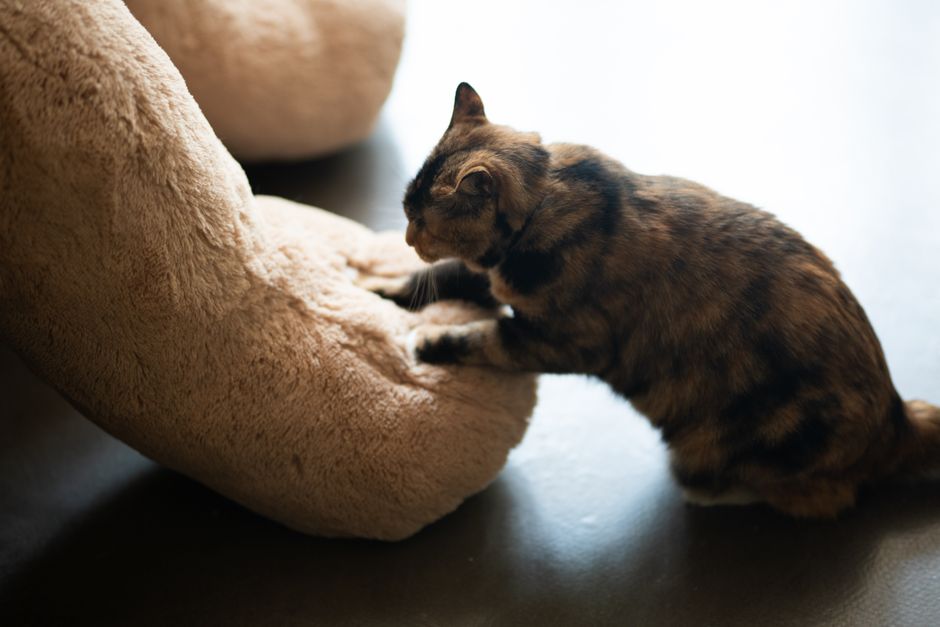
Cat kneading behavior involves your cat pushing their paws alternately against soft surfaces, mimicking the motion of kneading bread dough. This rhythmic pressing action often comes accompanied by purring, closed eyes, and an expression of pure contentment. Some cats extend their claws during kneading, while others keep them retracted. Many cats also drool slightly when they’re deeply engaged in this behavior, which is completely normal and indicates extreme relaxation.
The Origins: Why Cats Make Biscuits
Nursing Instincts from Kittenhood
The primary reason why cats make biscuits traces back to their earliest days of life. Newborn kittens instinctively knead their mother’s belly while nursing to stimulate milk flow. This essential survival behavior creates positive associations with comfort, security, and nourishment. When adult cats knead, they’re essentially reverting to this deeply ingrained kitten behavior, seeking the same feelings of safety and contentment they experienced while nursing.
Evolutionary Territory Marking
Another significant aspect of cat kneading meaning relates to territorial behavior. Cats have scent glands in their paw pads that release pheromones when they knead. By kneading you, your furniture, or their favorite blanket, cats are essentially marking their territory and claiming ownership. This behavior stems from their wild ancestors who would knead grass and leaves to create comfortable resting spots while simultaneously marking the area as their own.
What Your Cat’s Kneading Really Means
Signs of Affection and Trust
When your cat kneads you specifically, it’s one of the highest compliments they can give. This behavior indicates that your cat views you as a source of comfort and security, similar to how they once viewed their mother. The cat kneading meaning in this context is pure love – your cat is telling you that they trust you completely and feel safe in your presence.
Stress Relief and Self-Soothing
Cats often engage in kneading when they need to self-soothe or reduce stress. Just as humans might fidget with their hands when anxious, cats use kneading as a coping mechanism. If you notice your cat kneading more frequently during times of change or stress, they’re using this instinctive behavior to calm themselves and find emotional balance.
Preparing for Rest
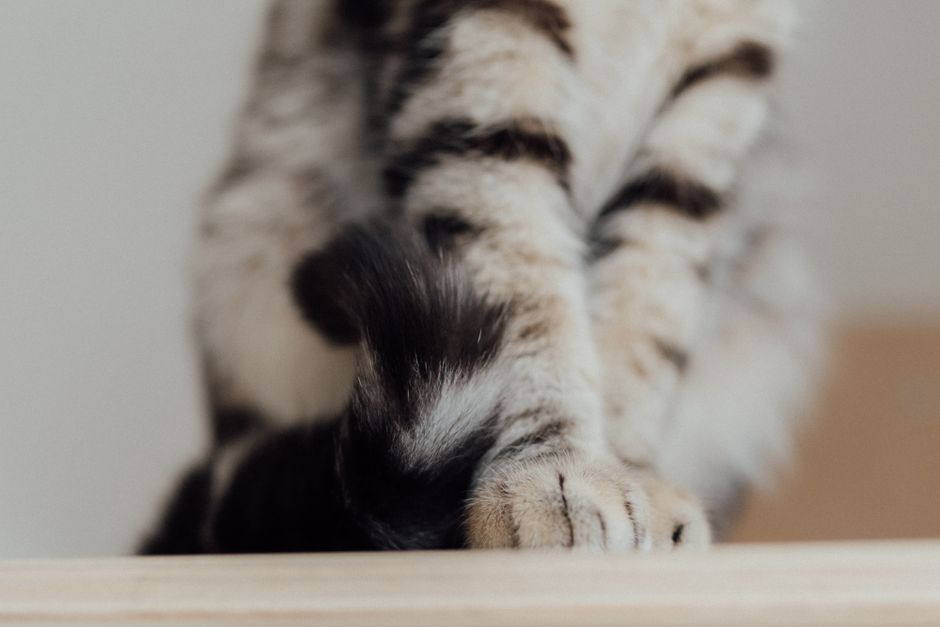
In the wild, cats would knead grass, leaves, and other materials to create comfortable sleeping areas. Domestic cats retain this instinct, often kneading blankets, cushions, or even you before settling down for a nap. This behavior serves both practical and psychological purposes – they’re literally making their bed while mentally preparing for rest.
Different Types of Kneading Behaviors
Kneading with Claws Extended vs. Retracted
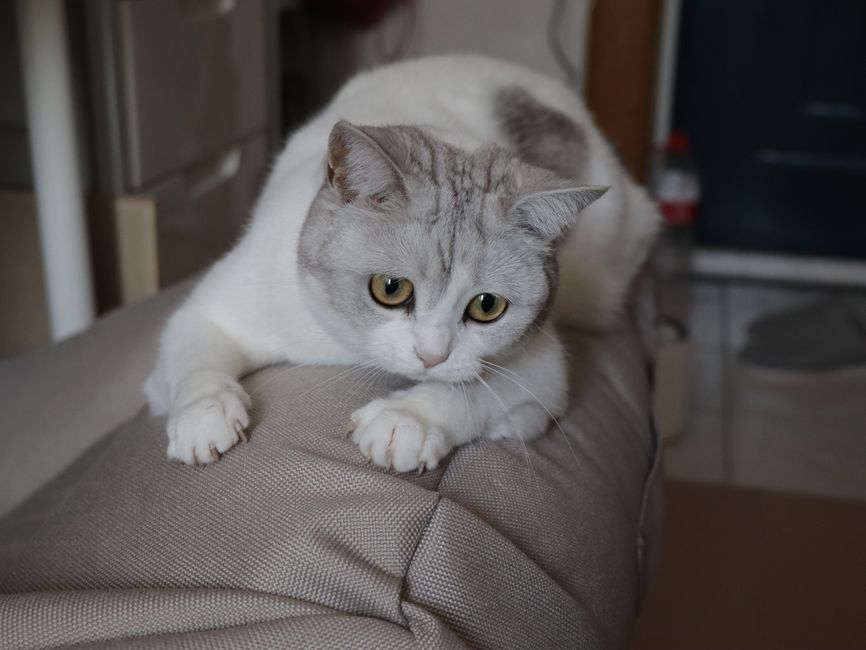
Some cats knead with their claws fully extended, which can be painful for human recipients, while others keep their claws retracted. Cats who knead with claws extended aren’t being aggressive – they’re simply more deeply engaged in the behavior and reverting more completely to their kitten state. The intensity of the kneading often correlates with how content and relaxed your cat feels.
Kneading Accompanied by Other Behaviors
Pay attention to what accompanies your cat’s kneading. Purring, making “biscuits” while suckling on blankets, or gentle nibbling are all variations that provide insight into your cat’s emotional state. These combined behaviors typically indicate an extremely content and secure cat who feels completely at home in their environment.
Practical Tips for Managing Cat Kneading
Protecting Yourself from Sharp Claws
If your cat’s kneading becomes painful due to extended claws, try placing a thick blanket or towel on your lap before settling in for cuddle time. Regular nail trimming can also help reduce discomfort while still allowing your cat to express their natural behavior. Never punish or discourage kneading, as this is a sign of affection and trust.
Creating Kneading-Friendly Spaces
Encourage healthy kneading by providing appropriate surfaces like soft blankets, plush cushions, or cat beds with interesting textures. This gives your cat designated areas where they can engage in this instinctive behavior without damaging furniture or causing themselves stress.
When to Be Concerned
While kneading is typically normal and healthy, excessive kneading accompanied by other behavioral changes might indicate stress or anxiety. If your cat suddenly starts kneading obsessively or shows signs of distress, consult with your veterinarian to rule out any underlying health issues.
Embracing Your Cat’s Natural Behavior
Understanding why cats make biscuits helps you appreciate this behavior as a beautiful expression of your cat’s emotional well-being and their bond with you. Rather than viewing kneading as merely cute quirk, recognize it as your cat’s way of communicating love, trust, and contentment.
The next time your feline friend starts making biscuits on your lap, take it as the sincere compliment it is. Your cat has chosen you as their source of comfort and security – a role that connects directly to their earliest, most fundamental experiences of safety and love. By understanding and appreciating cat kneading behavior, you’re deepening your relationship with your pet and creating an environment where they feel truly at home.
Remember, every knead is a small declaration of love from your cat. Embrace these precious moments, protect yourself from sharp claws when necessary, and enjoy the unique bond that this ancient, instinctive behavior represents between you and your feline companion.