Why Does My Cat Sleep on My Face? The Science Behind Feline Sleep Habits
If you’ve ever woken up to find your furry friend sprawled across your face, you’re not alone. Many cat owners experience this peculiar but endearing behavior, often wondering if their feline companion is trying to suffocate them or simply showing affection. The truth is, cat sleeping on face behavior stems from deep-rooted instincts, comfort-seeking tendencies, and genuine love for their human companions. Understanding why cats sleep on owners can help you appreciate this intimate bonding behavior while also learning how to manage it for everyone’s comfort.
The Science Behind Cat Sleep Behavior
To understand why your cat chooses your face as their preferred sleeping spot, we need to explore the fascinating world of cat sleep behavior. Cats are crepuscular animals, meaning they’re most active during dawn and dusk hours. This natural rhythm often aligns with human sleep schedules, creating opportunities for nighttime snuggling sessions.
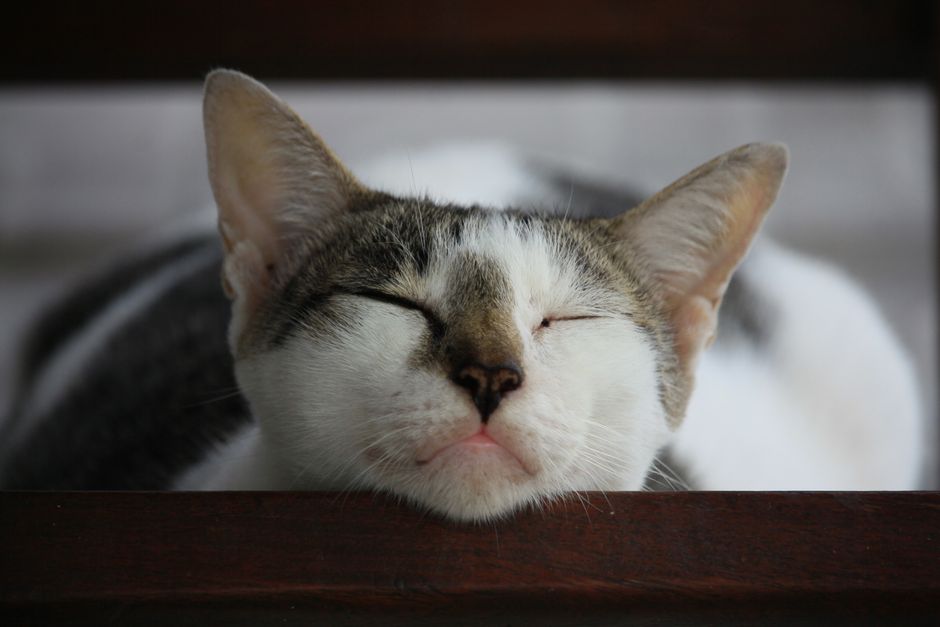
Cats sleep an average of 12-16 hours per day, alternating between light dozing and deep REM sleep. During these extended rest periods, they seek out the warmest, safest, and most comfortable locations available. Your face, particularly around your head and neck area, provides an ideal combination of warmth, familiar scents, and security that appeals to their primal instincts.
Primary Reasons Why Cats Sleep on Your Face
Seeking Warmth and Comfort
Your head generates significant body heat, making it an attractive warming station for your cat. Unlike humans, cats have a higher baseline body temperature (around 101-102°F) and are naturally drawn to warm surfaces. Your face and head area provide consistent warmth throughout the night, creating a cozy microenvironment that helps maintain your cat’s optimal sleeping temperature.
Bonding and Affection Display
When cats sleep on their owners’ faces, they’re demonstrating ultimate trust and affection. This behavior mimics how kittens sleep close to their mothers and littermates for warmth and protection. By choosing to sleep on your face, your cat is essentially treating you as family and seeking the same comfort and security they experienced in their early days.
Scent Marking and Territory
Cats have scent glands located around their face, particularly near their cheeks and forehead. When they sleep on your face, they’re subtly marking you with their scent, claiming you as part of their territory. This behavior reinforces the bond between you and serves as a form of feline communication that says, “You belong to me, and I belong to you.”
Security and Protection Instincts
In the wild, cats are both predators and prey. Sleeping in elevated, protected positions helps them feel secure while remaining alert to potential threats. Your face represents the highest point on your body, offering your cat a vantage point where they can monitor their surroundings while feeling protected by your presence.
Understanding Different Sleeping Positions
The Face Hugger
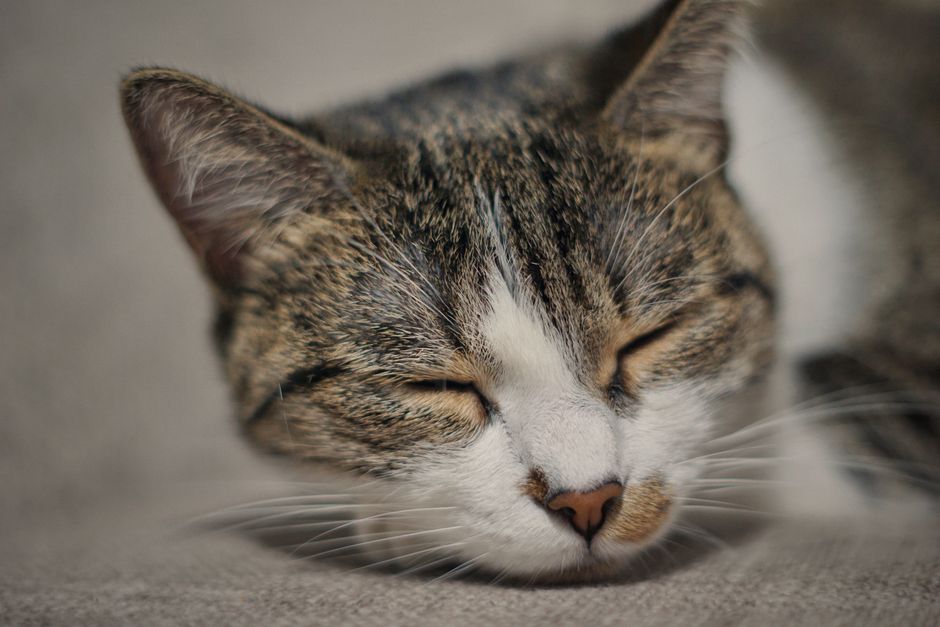
Some cats prefer to wrap themselves around their owner’s head, with paws draped across the face. This position maximizes contact and warmth while allowing the cat to feel completely secure. It’s often seen in cats with strong attachment bonds to their owners.
The Pillow Cat
Other cats position themselves directly on top of their owner’s face or head, using it as a living pillow. This behavior typically indicates high comfort levels and complete trust in their human companion.
The Proximity Sleeper
Some cats prefer to sleep very close to their owner’s face without direct contact, positioning themselves on the pillow nearby. This allows them to benefit from warmth and closeness while maintaining some independence.
Managing Face-Sleeping Behavior
While having your cat sleep on your face can be endearing, it’s not always practical or comfortable for quality sleep. Here are some strategies to redirect this behavior while maintaining your bond:
Provide Alternative Warm Sleeping Spots
Create appealing alternatives near your bed using heated pet beds, soft blankets, or even a dedicated pillow placed close to your head. This satisfies your cat’s need for warmth and proximity without compromising your breathing space.
Establish Consistent Bedtime Routines
Develop a nightly routine that includes designated cat cuddle time before you’re ready to sleep. This allows your cat to satisfy their bonding needs while setting boundaries for actual sleep time.
Use Positive Redirection
When your cat approaches your face for sleeping, gently redirect them to their designated sleeping area with soft encouragement and treats. Consistency is key to helping them understand the new boundaries.
Health and Safety Considerations
While cat sleeping on face behavior is generally harmless, there are some health considerations to keep in mind:
Allergies and Respiratory Issues
Cat dander and fur near your face can trigger allergies or respiratory problems, especially for sensitive individuals. If you experience increased congestion, sneezing, or breathing difficulties, it’s important to establish sleeping boundaries.
Sleep Quality Impact
Having a cat on your face can disrupt your sleep cycles, leading to fatigue and decreased well-being. Quality sleep is essential for both you and your cat, so finding a balance that works for everyone is crucial.
Hygiene Concerns
Cats use litter boxes and groom themselves with their tongues, potentially transferring bacteria. While serious health risks are minimal, maintaining good hygiene practices and regular veterinary check-ups for your cat is always recommended.
When to Consult a Veterinarian
If your cat’s sleeping behavior suddenly changes or becomes excessive, it might indicate underlying health issues or stress. Sudden increases in clingy behavior, changes in sleep patterns, or signs of anxiety warrant professional evaluation to ensure your cat’s well-being.
Conclusion
Understanding why cats sleep on owners reveals the deep emotional connection between you and your feline friend. This behavior combines instinctual needs for warmth, security, and bonding into one endearing package. While having your cat sleep on your face demonstrates ultimate trust and affection, it’s perfectly acceptable to set gentle boundaries for everyone’s comfort and health. By providing alternative warm sleeping spots and maintaining consistent routines, you can preserve the special bond with your cat while ensuring quality rest for both of you. Remember, every cat is unique, and finding the right balance of closeness and boundaries will strengthen your relationship and promote better sleep habits for years to come.