Is My Dog Having a Stroke? Warning Signs Every Owner Should Know
As a devoted dog parent, few things are more frightening than watching your beloved companion suddenly struggle with coordination, balance, or behavior changes. While strokes in dogs are less common than in humans, they do occur and require immediate veterinary attention. Understanding dog stroke symptoms and recognizing dog neurological emergency signs can make the difference between a full recovery and permanent damage. Let’s explore everything you need to know to protect your furry family member.
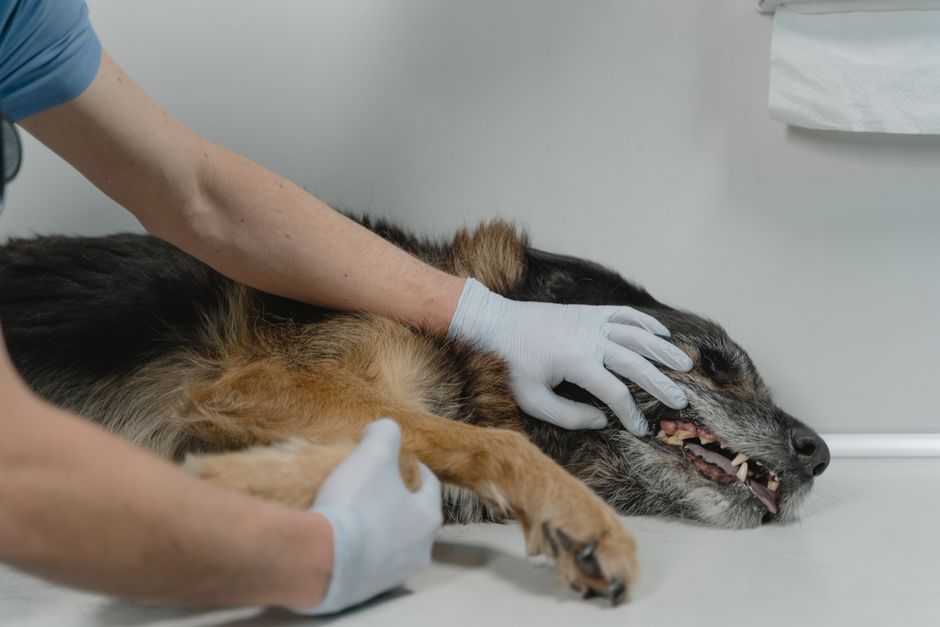
What Exactly Is a Dog Stroke?
A stroke, medically known as a cerebrovascular accident (CVA), occurs when blood flow to the brain is disrupted. In dogs, strokes can be either ischemic (caused by blocked blood vessels) or hemorrhagic (caused by bleeding in the brain). Unlike humans, dogs rarely suffer from the same cardiovascular diseases that commonly cause strokes, making canine strokes relatively uncommon but still serious when they occur.
Dog strokes can affect canines of any age, though they’re more frequently seen in senior dogs or those with underlying health conditions such as kidney disease, heart disease, or endocrine disorders.
Critical Dog Stroke Symptoms to Watch For
Recognizing dog stroke symptoms early is crucial for your pet’s recovery. These signs often appear suddenly and may vary depending on which area of the brain is affected.
Immediate Physical Signs
- Loss of balance or coordination: Your dog may stumble, fall to one side, or have difficulty walking in a straight line
- Head tilting: A persistent tilt to one side that doesn’t resolve
- Circling behavior: Walking in circles, often in one direction
- Facial paralysis: Drooping on one side of the face, difficulty closing one eye, or a crooked smile
- Vision problems: Bumping into objects, apparent blindness, or abnormal eye movements
- Weakness or paralysis: Particularly affecting one side of the body
Behavioral and Cognitive Changes
- Confusion or disorientation: Not recognizing familiar people or places
- Loss of bladder or bowel control: Sudden accidents in house-trained dogs
- Changes in consciousness: Appearing dazed, unresponsive, or unusually lethargic
- Difficulty eating or drinking: Problems with swallowing or approaching food bowls
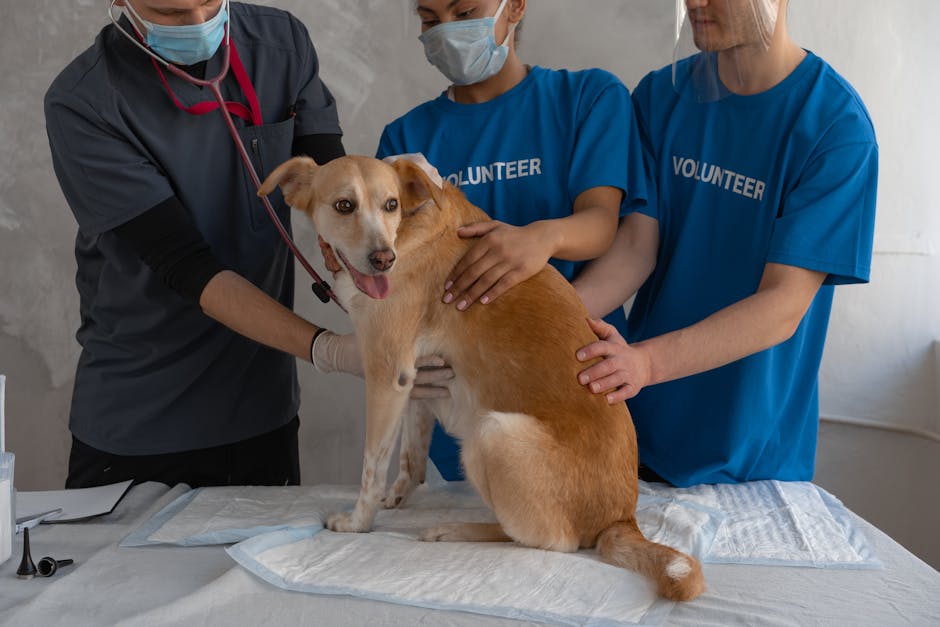
Dog Neurological Emergency Signs: When to Act Fast
Certain dog neurological emergency signs require immediate veterinary intervention. If you notice any of these symptoms, contact your emergency veterinarian right away:
- Seizures or convulsions
- Complete loss of consciousness
- Severe difficulty breathing
- Total inability to stand or move
- Extreme confusion or agitation
- Rapid deterioration of any neurological symptoms
Remember, time is critical when dealing with potential strokes. The sooner treatment begins, the better your dog’s chances of recovery.
What to Do If You Suspect a Stroke
Immediate Actions
Stay calm – Your dog can sense your anxiety, which may worsen their stress. Keep your voice soothing and movements gentle.
Ensure safety – Remove any obstacles that could cause injury if your dog falls or stumbles. Create a safe, quiet space away from stairs or furniture edges.
Document symptoms – Take notes or videos of the symptoms you’re observing. This information will be invaluable for your veterinarian’s diagnosis.
Contact your vet immediately – Call your regular veterinarian or emergency animal hospital. Describe the symptoms clearly and follow their guidance for immediate care or transportation.
Transportation Tips
When transporting your dog to the veterinary clinic, use a blanket or towel to create a secure, comfortable carrier for smaller dogs. For larger dogs, minimize movement and provide support to prevent falls. Keep the car quiet and avoid sudden movements that might worsen their disorientation.

Conditions That Mimic Dog Strokes
Several conditions can present with similar dog neurological emergency signs, making professional diagnosis essential:
- Vestibular disease: Often called “old dog syndrome,” affecting balance and coordination
- Brain tumors: Can cause gradual or sudden neurological symptoms
- Inner ear infections: May cause head tilting and balance issues
- Toxin exposure: Certain poisons can cause neurological symptoms
- Seizure disorders: Post-seizure confusion can mimic stroke symptoms
Treatment and Recovery
Treatment for dog strokes focuses on supportive care and addressing underlying causes. Your veterinarian may recommend:
- Oxygen therapy to support brain function
- Medications to reduce brain swelling
- IV fluids to maintain hydration and blood pressure
- Treatment for underlying conditions
- Physical therapy and rehabilitation
Recovery varies greatly depending on the stroke’s severity and location. Some dogs recover completely within days or weeks, while others may have permanent neurological deficits but can still enjoy a good quality of life with proper care and adaptation.
Prevention Strategies
While not all strokes are preventable, you can reduce your dog’s risk by:
- Maintaining regular veterinary checkups
- Managing underlying health conditions
- Providing a balanced diet and regular exercise
- Preventing access to toxins
- Monitoring for early signs of illness
Moving Forward with Confidence
Understanding dog stroke symptoms and dog neurological emergency signs empowers you to act quickly when your pet needs you most. While the prospect of a stroke is scary, many dogs recover well with prompt treatment and dedicated care. Trust your instincts – if something seems wrong with your dog’s neurological function, don’t hesitate to seek professional help. Your quick action and knowledge of these warning signs could save your dog’s life and preserve their quality of life for years to come. Remember, you know your dog better than anyone, and your observations are crucial in getting them the help they need.