Why Does My Cat Knock Things Off Tables? Science Behind This Annoying Behavior
If you’re a cat owner, you’ve probably witnessed this scene countless times: your feline friend approaches a perfectly placed object on your table, makes direct eye contact with you, and then deliberately swipes it to the floor. While this behavior might seem like pure mischief (and admittedly drives many pet parents crazy), there’s actually fascinating science behind why cats knock things off tables and counters. Understanding the reasons behind this seemingly destructive habit can help you better manage your cat’s environment and strengthen your bond with your furry companion.
The Evolutionary Roots of Cat Behavior
To understand why your cat pushes things off counters, we need to look back at their wild ancestry. Domestic cats descended from solitary hunters who relied on their keen senses and precise paw movements to survive. In the wild, cats use their paws to test objects in their environment – is that rustling leaf actually prey? Is that branch sturdy enough to support their weight?
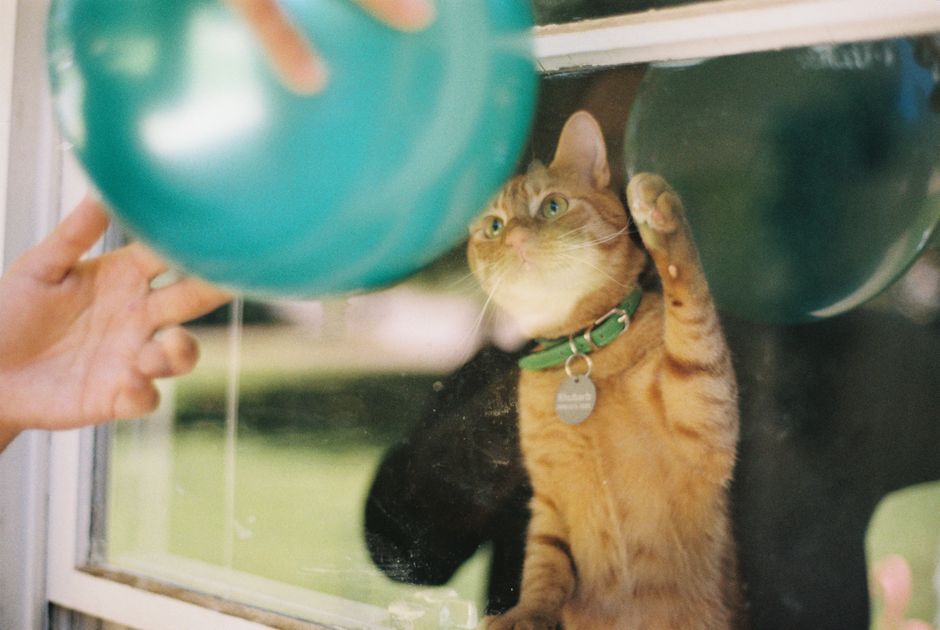
This investigative pawing behavior has been hardwired into your cat’s DNA over thousands of years. When your cat encounters an unfamiliar object on a table or counter, their instinct is to use their highly sensitive paw pads to gather information about it. Unfortunately for your favorite coffee mug, this often results in the object taking a tumble to the floor.
The Science Behind Feline Curiosity
Sensory Exploration
Cats experience the world differently than humans do. Their paw pads contain numerous nerve endings that help them gather detailed information about texture, temperature, and weight. When your cat knocks things off tables, they’re essentially “reading” these objects with their paws – a behavior that’s completely natural and instinctive.
Hunting Instincts at Play
Many objects that cats target share characteristics with prey animals. Small, lightweight items that move when touched trigger your cat’s predatory instincts. Pens, pencils, jewelry, and small decorative objects often resemble the size and movement patterns of mice or insects, making them irresistible targets for investigation.
Attention-Seeking Behavior
Let’s be honest – when your cat knocks something off the table, you probably react immediately. Whether you gasp, laugh, or rush to pick up the fallen item, you’re giving your cat exactly what many of them crave: attention. Smart cats quickly learn that knocking things over is an effective way to get their human’s focus, especially if they feel ignored or want to play.
This learned behavior can become reinforced over time if owners consistently respond to the action. Even negative attention (like scolding) can be rewarding for a cat who simply wants interaction with their favorite human.

Environmental Factors That Encourage This Behavior
Elevated Surfaces Appeal to Cats
Cats naturally gravitate toward high places where they can survey their territory and feel secure. Tables and counters provide the perfect vantage points, and once your cat is up there, those tempting objects are right at paw level. The elevated position also gives cats a sense of control over their environment.
Boredom and Lack of Stimulation
Indoor cats, in particular, may resort to knocking things off counters simply because they’re bored. Without adequate mental and physical stimulation, cats will create their own entertainment – often at the expense of your belongings. This behavior is especially common in high-energy cats or those left alone for extended periods.
How to Manage and Redirect This Behavior
Provide Appropriate Outlets
Instead of trying to completely stop this natural behavior, redirect it toward appropriate targets. Puzzle toys, interactive feeders, and toys that respond to pawing can satisfy your cat’s need to manipulate objects with their paws. Rotate toys regularly to maintain your cat’s interest.
Environmental Management
The simplest solution for preventing cats from knocking things off tables is to remove tempting objects from accessible surfaces. Store valuable or breakable items in cabinets or drawers, and keep counters and tables as clear as possible. Consider using drawer organizers or small boxes to contain necessary items that must remain on surfaces.
Increase Mental Stimulation
Bored cats are more likely to engage in destructive behaviors. Provide plenty of mental enrichment through:
- Interactive toys that require problem-solving
- Regular play sessions with wand toys or laser pointers
- Cat trees and climbing structures
- Window perches for bird and outdoor watching
- Scheduled feeding times with puzzle feeders

Training and Positive Reinforcement
While cats aren’t as easily trained as dogs, you can discourage this behavior through consistent responses. Avoid giving attention when your cat knocks things over – instead, quietly clean up and redirect their attention to appropriate toys. Reward your cat with treats and praise when they interact with designated toys instead of household items.
When to Be Concerned
In most cases, cat knocking things off tables is completely normal behavior. However, if this activity suddenly increases dramatically or is accompanied by other changes in behavior, appetite, or litter box habits, it might indicate stress, illness, or anxiety. Consult with your veterinarian if you notice significant behavioral changes.
Conclusion
Understanding why cats knock things off tables helps us appreciate this behavior as a natural expression of feline instincts rather than deliberate misbehavior. Your cat isn’t trying to annoy you – they’re simply following evolutionary programming that helped their ancestors survive. By providing appropriate outlets for these instincts, managing your environment thoughtfully, and ensuring your cat receives adequate mental and physical stimulation, you can minimize property damage while respecting your feline’s natural behaviors. Remember, a well-enriched cat is typically a well-behaved cat, so focus on meeting their needs rather than fighting against their nature.