Why Does My Cat Stare at Me While I Sleep? Veterinarian Explains
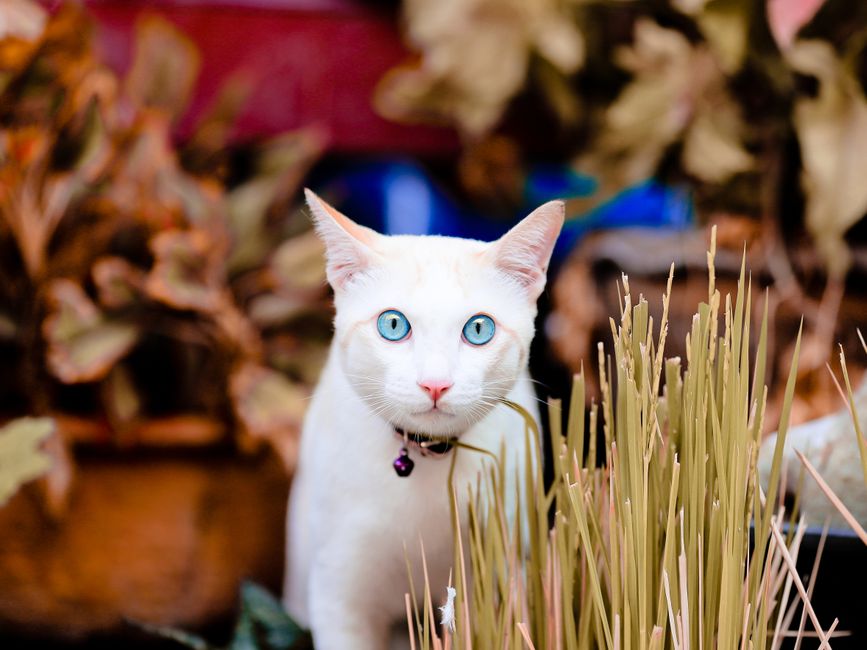
You wake up in the middle of the night to find two glowing eyes fixed directly on you. Your cat is perched nearby, staring intently as you sleep. If this scenario sounds familiar, you’re not alone! Many cat owners experience this mysterious feline behavior and wonder what’s going through their pet’s mind. Understanding why cats engage in this cat staring while sleeping behavior can help strengthen your bond with your furry companion and ensure both of you get better rest.
The Science Behind Cat Behavior Sleep Patterns
Cats are naturally crepuscular animals, meaning they’re most active during dawn and dusk hours. This evolutionary trait stems from their wild ancestors who hunted during these optimal times. While your domestic cat doesn’t need to hunt for survival, these ingrained instincts remain strong.
Unlike humans who typically sleep for 7-9 hours straight, cats sleep in shorter cycles throughout a 24-hour period, averaging 12-16 hours of sleep daily. However, much of this sleep is light, allowing them to remain alert to their surroundings. This means when you’re in your deepest sleep phase, your cat might be in a lighter sleep stage or completely awake.

Why Cats Stare: The Top Reasons Explained
Protection and Vigilance
One of the primary reasons why cats stare at their sleeping owners relates to their protective instincts. Despite their domestication, cats retain strong guardian behaviors. Your cat may be keeping watch over you, ensuring your safety while you’re in your most vulnerable state. This behavior demonstrates the deep bond and trust your cat has developed with you.
Seeking Attention and Interaction
Cats are intelligent creatures who quickly learn their owners’ routines. If your cat has successfully woken you up through staring in the past, they may repeat this behavior when they want food, playtime, or simply attention. This cat behavior sleep interruption often occurs when cats feel their needs aren’t being met during their active hours.
Curiosity and Fascination
Cats are naturally curious animals, and human sleep behavior can be genuinely fascinating to them. Your breathing patterns, occasional movements, and sounds during sleep may captivate your cat’s attention. They might be trying to understand this daily ritual that occupies such a significant portion of your time.
Temperature and Comfort Seeking
Human body heat is attractive to cats, especially during cooler months. Your cat might be staring while positioning themselves to take advantage of your warmth. Beds often retain heat and provide comfortable surfaces, making your sleeping area an ideal spot for your cat to rest nearby.
When Cat Staring Becomes Concerning
While most instances of cats staring while sleeping are harmless, certain behaviors warrant attention. If your cat’s staring is accompanied by excessive vocalization, aggressive behavior, or signs of distress, it may indicate underlying issues such as:
- Anxiety or stress
- Medical problems causing discomfort
- Changes in their environment
- Disrupted sleep schedules
Consult with your veterinarian if you notice sudden changes in your cat’s sleep-related behaviors or if the staring becomes obsessive.
Practical Tips for Managing Nighttime Cat Behavior
Establish a Consistent Routine
Creating predictable daily schedules helps regulate your cat’s sleep-wake cycle. Feed your cat at consistent times, engage in play sessions during their active hours, and maintain regular bedtime routines. This structure can reduce nighttime restlessness that leads to excessive staring.
Increase Daytime Stimulation
Ensure your cat receives adequate mental and physical stimulation during the day. Interactive toys, puzzle feeders, and scheduled play sessions can help tire your cat, encouraging longer, deeper sleep periods that align better with your schedule.

Create Comfortable Sleeping Areas
Provide your cat with cozy sleeping spots near your bedroom but not necessarily on your bed. Cat beds with heating pads, perches near windows, or designated blankets can give your cat comfortable alternatives while still allowing them to remain close to you.
Address Environmental Factors
Consider factors that might be disrupting your cat’s sleep, such as outside noises, lighting changes, or temperature fluctuations. Blackout curtains, white noise machines, or maintaining consistent room temperatures can improve sleep quality for both you and your cat.
Building a Better Sleep Environment for Both of You
If you enjoy your cat’s presence but want to minimize sleep disruptions, compromise solutions can work well. Some cat owners find success with:
- Allowing cats in the bedroom but not on the bed
- Setting specific “quiet hours” with consistent enforcement
- Using motion-activated night lights to reduce startling
- Providing engaging activities before bedtime to tire cats out
Understanding the Human-Cat Bond
The fact that your cat chooses to spend their wakeful hours watching over you speaks volumes about your relationship. This behavior often indicates trust, affection, and a strong social bond. Rather than viewing nighttime staring as problematic, try to appreciate it as a sign of your cat’s devotion, while still taking steps to ensure quality sleep for both of you.
Conclusion
Cat staring while sleeping is a complex behavior rooted in natural instincts, social bonding, and individual personality traits. While it can sometimes disrupt your sleep, understanding the reasons behind this cat behavior sleep pattern helps you respond appropriately. By implementing consistent routines, providing adequate stimulation, and creating comfortable environments, you can minimize sleep disruptions while maintaining the special bond you share with your feline companion. Remember that occasional nighttime staring is typically normal, but persistent or concerning behaviors should always be discussed with your veterinarian to ensure your cat’s health and well-being.