Why Does My Cat Sleep on My Keyboard? The Science Behind Feline Behavior
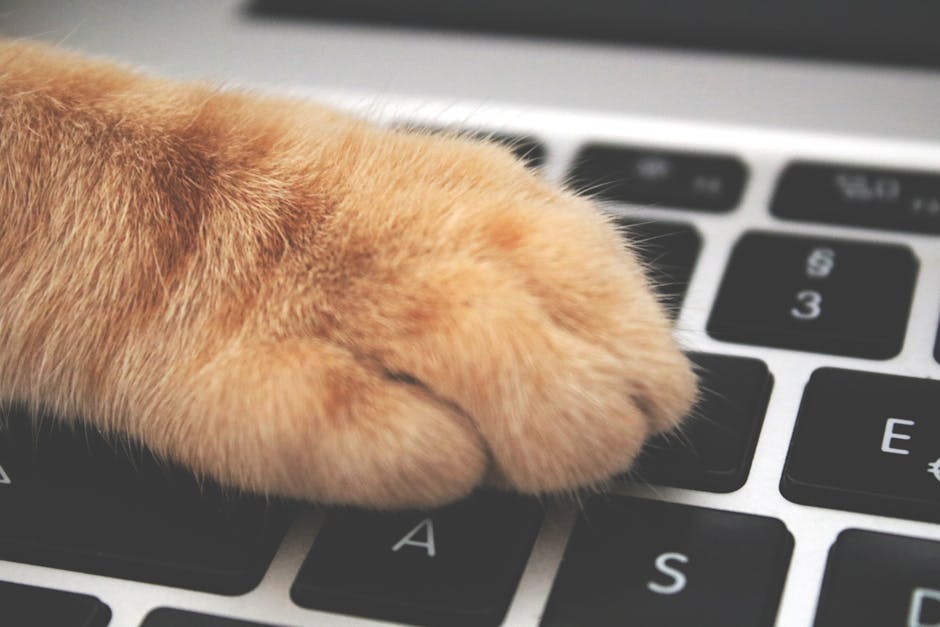
If you’re a cat owner who works from home, you’ve likely experienced the frustration of your feline friend deciding that your keyboard is the perfect napping spot right in the middle of an important email. This seemingly inconvenient cat sleeping on keyboard behavior isn’t just your pet being difficult – it’s actually rooted in fascinating feline psychology and instincts that have been developing for thousands of years.
The Warmth Factor: Your Keyboard is a Cat Heating Pad
One of the primary reasons why cats sit on computers is simple physics. Your laptop or desktop keyboard generates heat when in use, creating an irresistibly warm surface that appeals to your cat’s natural temperature preferences. Cats have a higher body temperature than humans (around 101-102°F) and are constantly seeking warm spots to maintain their comfort.
Electronic devices like keyboards, laptops, and monitors emit gentle heat that mimics the warmth cats would naturally seek in sunny patches or cozy hiding spots in the wild. This behavior is particularly common during colder months when your cat is looking for additional heat sources throughout your home.

Attention-Seeking Behavior: Your Cat Knows Exactly What They’re Doing
Don’t underestimate your cat’s intelligence when it comes to understanding cause and effect. Your feline companion has likely learned that cat sleeping on keyboard behavior guarantees immediate attention from you – even if it’s not the positive kind they might prefer.
The Psychology of Interruption
When your cat positions themselves on your keyboard, they’re effectively interrupting your work and forcing interaction. This behavior often stems from:
- Desire for physical contact and petting
- Boredom and need for stimulation
- Jealousy over the attention you’re giving to your computer
- Learned behavior that consistently produces results
Territorial Instincts and Scent Marking
Another significant factor in understanding why cats sit on computers relates to their territorial nature. Cats have scent glands in their cheeks, paws, and other body parts that they use to mark their territory. When your cat lies on your keyboard, they’re essentially claiming it as their own space while simultaneously mixing their scent with yours.
This behavior strengthens the bond between you and your cat while establishing ownership over an object that clearly holds importance in your daily routine. From your cat’s perspective, if something is important to you, it should smell like both of you.
Practical Solutions to Redirect Keyboard-Sleeping Behavior
While understanding the reasoning behind this behavior is helpful, you still need practical solutions to maintain productivity. Here are proven strategies to redirect your cat’s keyboard obsession:
Create Alternative Warm Spaces
Since warmth is a major motivator, provide appealing alternatives near your workspace:
- Place a heated pet bed beside your desk
- Set up a soft blanket on a nearby chair
- Use a small space heater to create a warm zone for your cat
- Position a cat bed in a sunny spot near your work area
Establish Scheduled Attention Time
Proactively address your cat’s need for attention by incorporating regular interaction breaks into your work routine. Spend 10-15 minutes every few hours engaging in focused play or cuddle sessions. This preemptive approach often reduces attention-seeking interruptions.
Use Physical Barriers and Deterrents
When you need uninterrupted work time, consider these gentle deterrent methods:
- Close your laptop when stepping away to eliminate the warm surface
- Use a keyboard cover when not actively typing
- Place aluminum foil temporarily on your keyboard (most cats dislike the texture)
- Keep a spray bottle nearby for gentle discouragement

Understanding Your Cat’s Daily Rhythm
Cats are crepuscular animals, meaning they’re most active during dawn and dusk hours. Understanding your pet’s natural energy cycles can help you predict when cat sleeping on keyboard behavior is most likely to occur. Many cats experience afternoon lulls where they seek warm, comfortable napping spots – which might coincide with your peak productivity hours.
Try scheduling demanding work tasks during your cat’s natural sleep periods, typically mid-morning and mid-afternoon. This natural alignment can significantly reduce keyboard interruptions while respecting your cat’s biological needs.
The Bonding Aspect: Why This Behavior Shows Love
Despite the inconvenience, it’s important to recognize that why cats sit on computers often stems from affection and bonding desires. Your cat associates your workspace with your presence and wants to be close to you. This behavior demonstrates trust and attachment – your cat feels safe and comfortable enough to sleep vulnerably near you.
Rather than viewing this as purely problematic behavior, consider it a compliment. Your cat has chosen to spend their precious sleep time as close to you as possible, even if their location choice isn’t ideal for your productivity.
Conclusion: Finding Balance in Your Shared Space
Understanding the science behind cat sleeping on keyboard behavior helps create realistic expectations and effective solutions. Your cat’s attraction to your keyboard stems from natural instincts for warmth, attention, and bonding – all perfectly normal feline behaviors. By providing alternative warm spaces, establishing attention schedules, and using gentle deterrents when necessary, you can maintain productivity while honoring your cat’s needs. Remember that this behavior ultimately reflects your cat’s love and desire to be near you, making it a small price to pay for the joy of feline companionship in your daily work routine.