Why Does My Cat Throw Up After Eating? 5 Common Causes
If you’ve ever watched your beloved feline companion wolf down their dinner only to see it reappear on your carpet minutes later, you’re not alone. Cat vomiting after eating is one of the most common concerns pet owners face, and while it can be alarming, it’s often more manageable than you might think. Understanding why your cat throws up food can help you take the right steps to keep your furry friend healthy and your floors clean. Let’s explore the five most common causes behind this messy mystery and discover practical solutions that actually work.
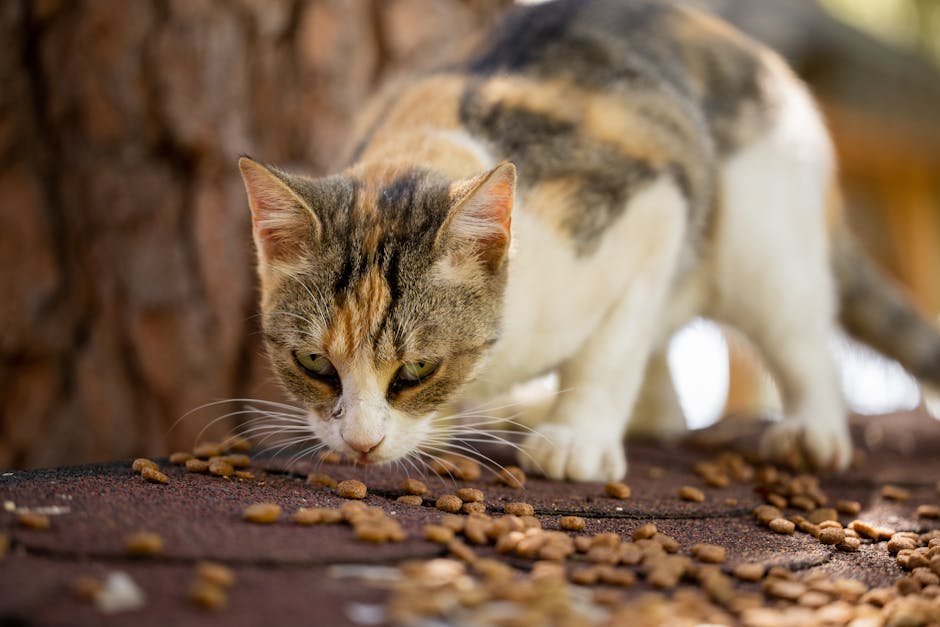
1. Eating Too Fast: The Speed Demon Syndrome
The most frequent reason for cat vomiting after eating is simply eating too quickly. When cats gulp down their food without proper chewing, they swallow excess air along with their meal. This combination creates pressure in the stomach, triggering the body’s natural response to expel the contents.
Fast eating often develops in multi-cat households where competition for food creates anxiety, or in cats with food insecurity from their past. You’ll typically notice undigested food appearing shortly after meals when this is the culprit.
Solutions for Speed Eating:
- Use puzzle feeders or slow-feed bowls to naturally pace eating
- Divide daily portions into smaller, more frequent meals
- Separate cats during feeding time to reduce competition
- Elevate food bowls to improve digestion posture
2. Food Allergies and Sensitivities: The Hidden Culprits
Food allergies and sensitivities can cause your cat to throw up food regularly. Common allergens include chicken, beef, dairy, fish, and certain grains. Unlike immediate vomiting from fast eating, food sensitivity reactions may occur anywhere from 30 minutes to several hours after eating.
Additional symptoms often accompany food allergies, including diarrhea, skin irritation, excessive grooming, and changes in behavior. If you notice these patterns alongside vomiting, it’s time to investigate your cat’s diet more closely.
Managing Food Sensitivities:
- Keep a food diary to identify trigger ingredients
- Try elimination diets under veterinary guidance
- Switch to limited ingredient or hypoallergenic cat foods
- Introduce new foods gradually over 7-10 days
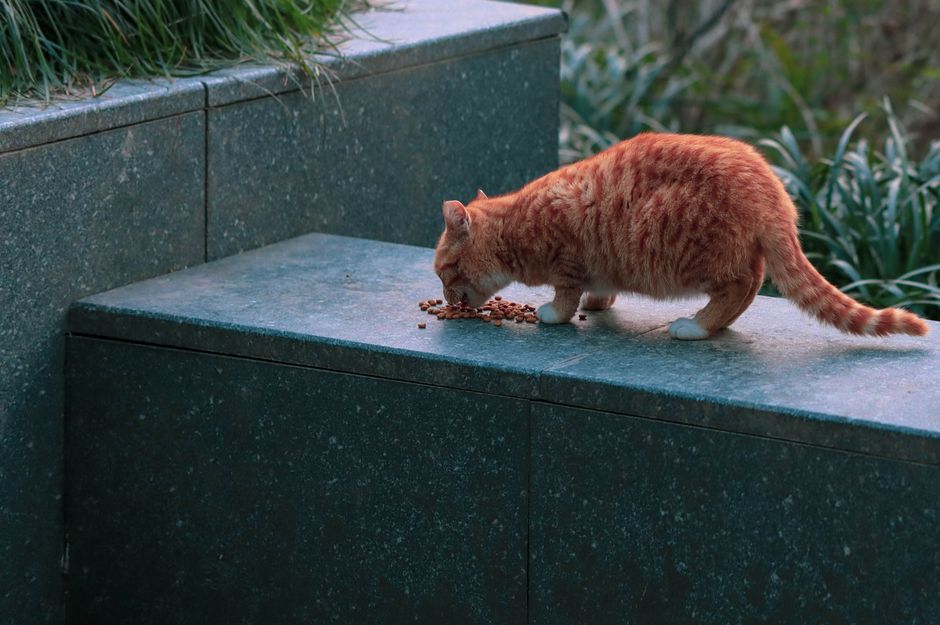
3. Hairballs: More Than Just Grooming Gone Wrong
While technically not food-related, hairballs often appear mixed with food when cats vomit after eating. Long-haired breeds and excessive groomers are particularly susceptible to hairball-related vomiting. The combination of hair and food creates an uncomfortable mass that the digestive system struggles to process.
Hairball vomiting usually involves retching sounds beforehand and produces tubular-shaped masses mixed with food particles. This type of vomiting tends to occur more frequently during shedding seasons.
Preventing Hairball-Related Vomiting:
- Brush your cat daily to remove loose fur
- Provide hairball control cat food with added fiber
- Use hairball prevention treats or supplements
- Ensure adequate hydration to aid digestion
4. Dietary Changes and Poor Food Quality
Sudden dietary changes are a leading cause of digestive upset in cats. Their sensitive stomachs need time to adjust to new proteins, textures, or formulations. Additionally, low-quality foods with excessive fillers, artificial additives, or poor protein sources can trigger vomiting episodes.
Cats who experience vomiting from dietary changes usually show symptoms within the first few days of switching foods. The vomiting may be accompanied by loose stools or decreased appetite.
Ensuring Proper Diet Transitions:
- Transition to new foods gradually over 7-10 days
- Choose high-quality foods with named protein sources
- Avoid foods with excessive fillers or artificial ingredients
- Stick to consistent feeding schedules

5. Medical Conditions: When to Seek Professional Help
Sometimes, cat vomiting after eating indicates underlying medical conditions that require veterinary attention. Conditions such as inflammatory bowel disease, kidney disease, hyperthyroidism, or gastrointestinal obstructions can all manifest as post-meal vomiting.
Medical-related vomiting often presents with additional symptoms like weight loss, lethargy, changes in litter box habits, or persistent vomiting despite dietary modifications. Senior cats are particularly susceptible to age-related conditions that affect digestion.
Warning Signs Requiring Veterinary Care:
- Vomiting persists for more than 24-48 hours
- Blood in vomit or signs of dehydration
- Accompanying symptoms like lethargy or weight loss
- Complete loss of appetite or inability to keep water down
Prevention Strategies That Work
Preventing cat vomiting after eating often involves simple environmental and dietary adjustments. Create calm feeding environments away from household traffic and noise. Maintain consistent feeding schedules to reduce anxiety and establish healthy digestive routines.
Monitor your cat’s eating habits closely and make note of any patterns or triggers. Sometimes the solution is as simple as switching to a different protein source or adjusting meal timing. Regular veterinary check-ups also help catch potential issues before they become serious problems.
Conclusion
Understanding why your cat throws up food empowers you to take effective action and provide better care for your feline companion. Whether it’s slowing down a speed eater with puzzle feeders, identifying food sensitivities through careful observation, or recognizing when professional veterinary help is needed, you now have the knowledge to address this common concern confidently. Remember that occasional vomiting may be normal, but persistent issues warrant professional attention. With patience and the right approach, you can help your cat enjoy their meals without the unwanted aftermath, creating a healthier and happier environment for both of you.