Why Does My Cat Stare at Me While I Sleep? Feline Behavior Explained
You wake up in the middle of the night to find two glowing eyes fixed intently on you from across the room. Your cat sits motionless, watching you sleep with an almost supernatural focus. While this behavior might seem mysterious or even unsettling, there are fascinating scientific and behavioral reasons behind why cats engage in this nighttime surveillance. Understanding your feline friend’s sleeping habits and instincts can help you appreciate this quirky behavior and determine when it’s perfectly normal versus when you might need to take action.
The Science Behind Cat Staring Behavior
Cats are naturally crepuscular creatures, meaning they’re most active during dawn and dusk hours. This evolutionary trait stems from their wild ancestors who hunted during these optimal times when prey was abundant and visibility conditions favored their superior night vision. When your cat stares at you while you sleep, they’re often simply being their naturally alert selves during their peak activity periods.
Your cat’s exceptional night vision plays a crucial role in this behavior. Cats have approximately six times better night vision than humans, thanks to a special reflective layer behind their retinas called the tapetum lucidum. This biological advantage allows them to observe their environment—including you—with remarkable clarity even in near-darkness.

Common Reasons Why Cats Watch Their Sleeping Owners
Protection and Guardian Instincts
Despite their reputation for independence, many cats develop strong protective instincts toward their human family members. Your cat staring while you sleep might be their way of standing guard, ensuring your safety during vulnerable sleeping hours. This behavior demonstrates the deep bond between you and your feline companion, showing they consider you part of their family unit worth protecting.
Anticipating Your Daily Routine
Cats are creatures of habit who quickly learn and adapt to their owners’ schedules. If you typically wake up at a certain time to feed them or provide attention, your cat might position themselves nearby and watch for signs that you’re beginning to stir. This anticipatory behavior shows their intelligence and ability to read subtle cues about your sleep patterns.
Seeking Comfort and Security
Your presence provides emotional comfort and security for your cat. By watching you sleep, they’re reassuring themselves that you’re safe and nearby. This behavior is particularly common in cats who have experienced abandonment or trauma, as your consistent presence helps them feel secure in their environment.
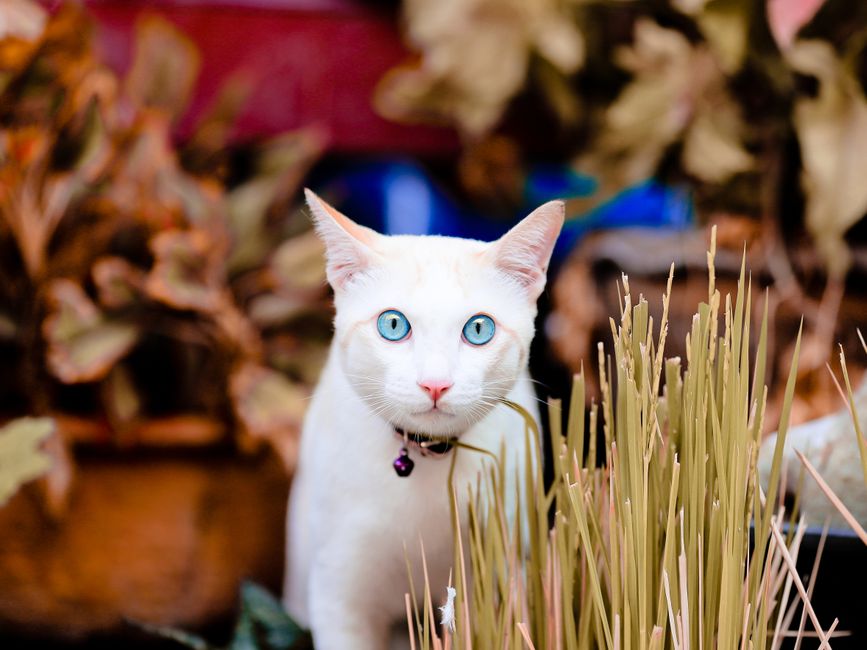
Curiosity About Sleep Behavior
Cats are naturally curious creatures, and your sleep movements, sounds, and breathing patterns might simply fascinate them. They may be trying to understand this strange human behavior where you remain motionless for extended periods. Your cat’s staring could be their attempt to monitor and comprehend your sleeping patterns.
When Cat Staring Behavior Becomes Concerning
While most nighttime staring is harmless, certain signs might indicate underlying issues requiring attention. If your cat’s behavior suddenly changes or intensifies, it could signal health problems, anxiety, or environmental stressors.
Signs That Warrant Veterinary Attention
Contact your veterinarian if your cat’s staring behavior is accompanied by excessive vocalization, aggressive tendencies, loss of appetite, changes in litter box habits, or signs of distress. Senior cats might develop cognitive dysfunction that affects their sleep patterns and behavior, making professional evaluation important.
Additionally, if your cat seems unable to settle or displays restless pacing along with intense staring, they might be experiencing discomfort or anxiety that requires intervention.
Practical Tips for Managing Nighttime Staring
Create a Comfortable Sleep Environment
Establish a cozy sleeping area for your cat near your bedroom but not directly on your bed if their presence disrupts your sleep. Provide a comfortable cat bed, blanket, or perch where they can maintain visual contact while respecting your personal space.
Establish Consistent Routines
Develop regular feeding and play schedules that align better with your sleep schedule. Engaging your cat in active play sessions before bedtime can help tire them out and reduce their nighttime vigilance. Interactive toys and puzzle feeders can also provide mental stimulation that promotes better rest.

Address Underlying Anxiety
If anxiety seems to drive the staring behavior, consider environmental enrichment solutions. Pheromone diffusers, calming music designed for cats, or gradual desensitization techniques might help reduce your cat’s stress levels. Creating multiple safe spaces throughout your home can also help anxious cats feel more secure.
Building a Better Understanding of Your Cat
Learning to interpret your cat’s body language and behavioral patterns helps strengthen your relationship and ensures their wellbeing. Pay attention to other cues like tail position, ear orientation, and vocalizations that accompany the staring behavior. This comprehensive observation will help you distinguish between normal curiosity, affection, and potential concerns.
Remember that each cat is unique, and what’s normal for one might be unusual for another. Some cats are naturally more observant and interactive with their owners, while others prefer maintaining greater independence even within the home environment.
Conclusion
Cat staring while sleeping behavior explained reveals fascinating insights into feline psychology and the special bond between cats and their human companions. Most nighttime staring stems from natural instincts, protective feelings, routine anticipation, or simple curiosity rather than anything concerning. By understanding these motivations and implementing practical management strategies, you can appreciate this endearing quirk while ensuring both you and your cat enjoy restful nights. If you ever have concerns about sudden behavioral changes, don’t hesitate to consult with your veterinarian to rule out any underlying health issues and maintain your cat’s optimal wellbeing.