Is My Cat’s Excessive Grooming Normal or a Health Warning?
Watching your feline friend meticulously clean themselves is one of the most endearing aspects of cat ownership. However, when that adorable grooming ritual transforms into obsessive licking sessions that leave bald patches or irritated skin, it’s time to pay closer attention. Understanding the difference between normal feline hygiene and cat over grooming could be the key to protecting your pet’s health and happiness.
Understanding Normal Cat Grooming Behavior
Cats are naturally fastidious creatures, spending 30-50% of their waking hours grooming themselves. This behavior serves multiple purposes: regulating body temperature, distributing natural oils throughout their coat, removing scents after eating, and maintaining their social bonds through mutual grooming with other cats.
A typical grooming session involves systematic licking of paws, face, and body using their rough tongues, which contain tiny backward-facing hooks called papillae. These help remove loose fur, dirt, and debris while stimulating blood circulation to the skin.

When Grooming Becomes Concerning: Red Flags to Watch
Excessive cat licking health issues often manifest through several warning signs that caring pet owners should recognize immediately:
Physical Signs of Over-Grooming
- Bald patches or thinning fur, particularly on the belly, inner thighs, or legs
- Red, irritated, or inflamed skin
- Open wounds or sores from persistent licking
- Hair balls appearing more frequently than usual
- Rough or damaged coat texture in specific areas
Behavioral Changes
- Grooming sessions lasting significantly longer than normal
- Aggressive or frantic licking motions
- Interrupting other activities (eating, playing, sleeping) to groom
- Resistance when you try to redirect their attention from grooming
- Vocalizing during grooming sessions
Common Causes Behind Excessive Grooming
Medical Conditions
Several health issues can trigger cat over grooming behaviors. Parasites like fleas, mites, or ticks create intense itching that drives cats to lick and scratch excessively. Skin allergies, whether food-related or environmental, can cause similar reactions.
Fungal infections, bacterial skin conditions, and even arthritis pain can manifest through increased grooming of affected areas. Some cats develop a condition called psychogenic alopecia, where stress-induced grooming becomes compulsive.

Environmental and Emotional Triggers
Cats are sensitive creatures, and changes in their environment can trigger stress-related grooming. Moving to a new home, introducing new pets, changes in routine, or even rearranging furniture can cause anxiety that manifests as excessive licking.
Boredom is another significant factor. Indoor cats with insufficient mental stimulation may turn to over-grooming as a way to occupy themselves, similar to how humans might bite their nails when anxious or bored.
Practical Steps for Concerned Cat Parents
Immediate Assessment and Documentation
Start by carefully examining your cat’s skin and coat. Take photos of any bald patches or irritated areas to track progression over time. Note when the excessive grooming occurs most frequently – is it during specific times of day, after certain activities, or in particular locations?
Keep a grooming diary for at least a week, documenting duration, frequency, and any triggers you observe. This information will prove invaluable when consulting with your veterinarian.
Creating a Stress-Free Environment
Evaluate your cat’s living space for potential stressors. Ensure they have quiet retreat areas, consistent feeding schedules, and adequate vertical territory like cat trees or shelving. Consider using pheromone diffusers (Feliway) to create a calming atmosphere.
Increase environmental enrichment through puzzle feeders, interactive toys, and regular play sessions. A tired, mentally stimulated cat is less likely to develop compulsive behaviors.
When to Seek Professional Help
Schedule a veterinary appointment if you notice any physical changes to your cat’s skin or coat, or if grooming behaviors suddenly intensify. Your vet can rule out medical causes through skin scrapings, allergy tests, or other diagnostic procedures.
Don’t wait if you observe open wounds, persistent scratching, or signs of pain during grooming. Early intervention prevents minor issues from becoming serious health problems.
Treatment and Management Strategies
Treatment for excessive cat licking health issues varies depending on the underlying cause. Medical conditions may require antibiotics, antifungal medications, or antihistamines. Your veterinarian might recommend special shampoos, topical treatments, or dietary changes for allergic cats.
For stress-related grooming, a multi-faceted approach works best. This might include environmental modifications, increased playtime, puzzle feeders for mental stimulation, and in severe cases, anti-anxiety medications or pheromone therapy.
Home Care and Prevention
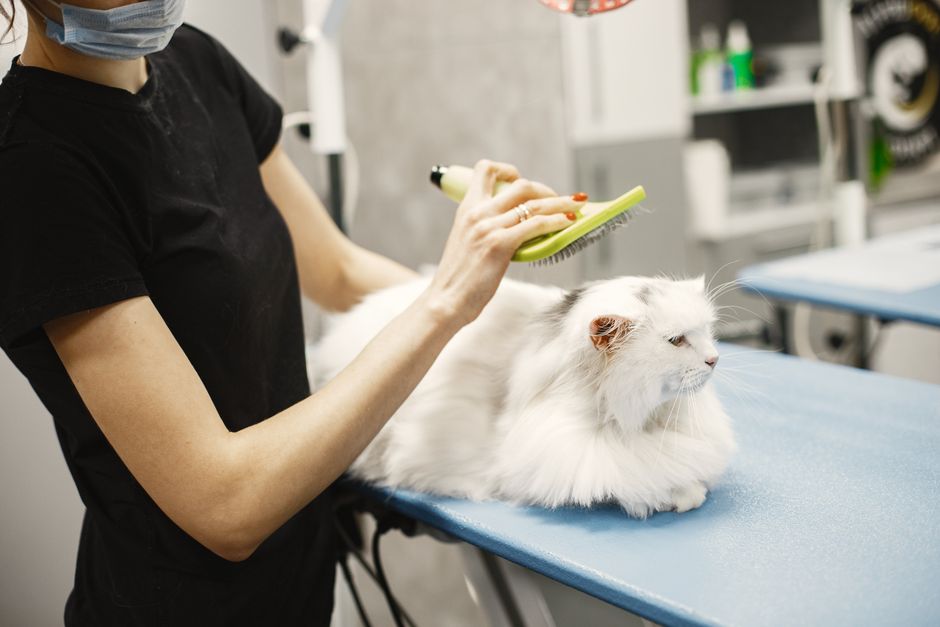
Regular brushing helps remove loose fur and reduces the need for excessive self-grooming. Use appropriate brushes for your cat’s coat type and make grooming sessions positive experiences with treats and praise.
Maintain consistent routines, provide multiple clean litter boxes, ensure fresh water availability, and create peaceful spaces where your cat can relax undisturbed.
The Bottom Line: Trust Your Instincts
As a devoted cat parent, you know your pet’s normal behaviors better than anyone. While cats are naturally clean animals, cat over grooming that results in physical damage or seems compulsive warrants professional attention. The earlier you address these concerns, the better the outcome for your feline friend.
Remember that most grooming-related issues are highly treatable when caught early. By staying observant, creating a stress-free environment, and working closely with your veterinarian, you can help your cat return to healthy grooming habits while maintaining their natural cleanliness instincts. Your vigilant care today ensures many more years of watching your cat’s adorable – and appropriate – grooming rituals.