Winter Paw Care: Protecting Your Dog’s Feet from Salt and Ice
As winter settles in and sidewalks become a maze of salt, ice, and freezing temperatures, your furry friend’s paws face some serious challenges. Just like we need proper footwear to navigate harsh winter conditions, our dogs need extra protection and care to keep their precious paw pads healthy and comfortable. Winter paw care isn’t just about comfort—it’s essential for preventing painful injuries, chemical burns from road salt, and long-term damage that could affect your dog’s mobility and quality of life.
Understanding Winter Paw Hazards
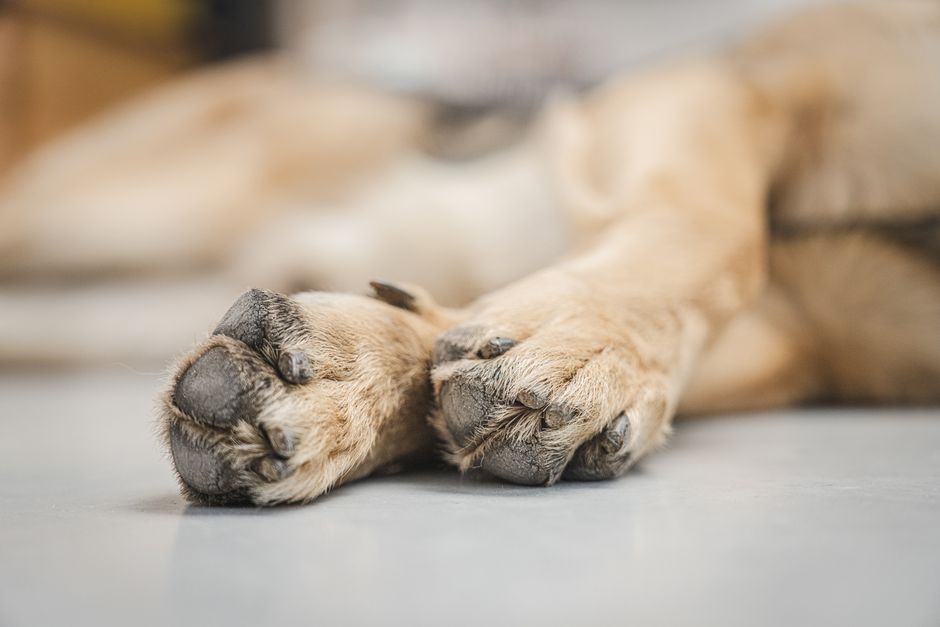
Before diving into protection strategies, it’s crucial to understand what makes winter so tough on your dog’s paws. Unlike human feet, dogs’ paw pads are directly exposed to harsh elements with every step they take.
The Salt Problem
Road salt and ice melts are among the biggest threats to dog paw health during winter months. These chemicals can cause chemical burns, cracking, and severe irritation. Even worse, when dogs lick their paws after walking on salted surfaces, they can ingest harmful substances that may cause stomach upset or more serious health issues. The salt draws moisture from paw pads, leading to dryness and painful cracks that can become infected.
Ice and Cold Temperature Risks
Extended exposure to ice and freezing temperatures can cause frostbite on paw pads, particularly in smaller dogs or those with thin fur between their toes. Ice balls can form between toes, causing discomfort and potential injury. Sharp ice edges can cut delicate paw pad skin, creating wounds that are difficult to heal in cold, wet conditions.
Pre-Winter Paw Preparation
The best winter paw care starts before the first snowfall. Taking proactive steps in late fall can significantly improve your dog’s comfort throughout the winter season.
Conditioning Your Dog’s Paws
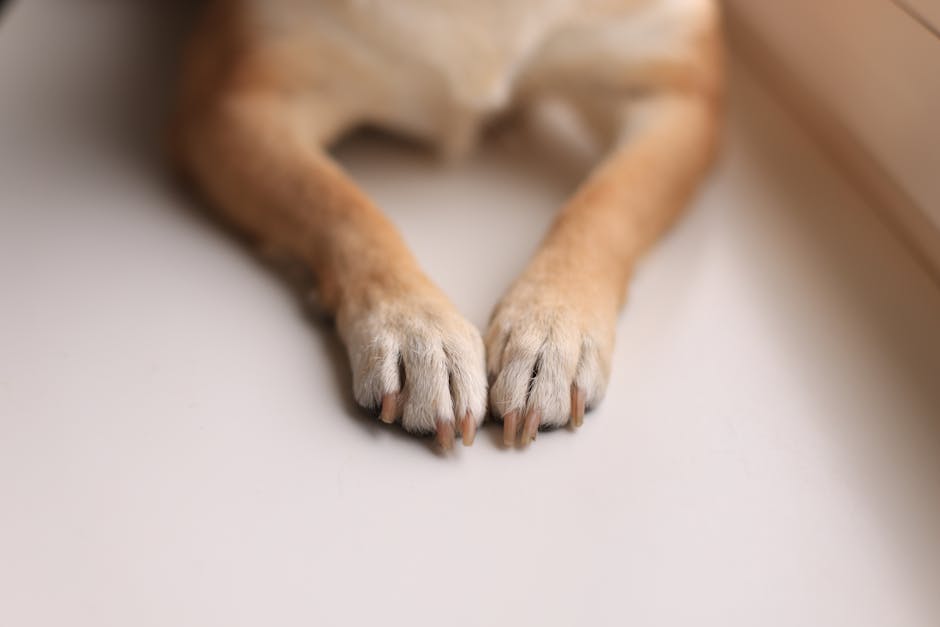
Begin by gradually exposing your dog to different surfaces and temperatures. This helps toughen paw pads naturally without causing damage. Trim excess hair between toes to prevent ice ball formation, but leave enough fur for natural insulation. Keep nails properly trimmed to ensure proper weight distribution and prevent painful splitting in cold weather.
Building a Winter Paw Care Kit
Assemble essential supplies before winter hits hard. Your kit should include paw balm or wax, dog-safe paw wipes, a towel for drying, and any protective booties you plan to use. Having everything ready means you won’t skip important care steps when the weather gets brutal.
Daily Winter Paw Protection Strategies
Consistent daily care is the foundation of effective winter paw protection. These strategies should become part of your regular routine from the first freeze until spring arrives.
Pre-Walk Preparation
Apply a protective paw balm or wax before heading outdoors. These products create a barrier between your dog’s paw pads and harmful salt or ice. Look for products specifically designed for winter paw protection that won’t easily wear off during walks. Some pet owners find success with dog booties, though these require gradual introduction and proper fitting to avoid discomfort.
Smart Walking Strategies
Choose your routes wisely during winter months. Avoid heavily salted areas when possible, opting for grassy areas or less-traveled paths. Keep walks shorter during extreme cold snaps, and watch for signs of discomfort like limping or lifting paws frequently. Remember that smaller dogs and those with thin coats will need shorter exposure times.
Post-Walk Paw Care Routine
Immediately after returning from winter walks, rinse your dog’s paws with lukewarm water to remove salt and ice. Dry thoroughly between toes where moisture can hide and cause problems. Check for cuts, cracks, or embedded ice pieces. Apply a moisturizing paw balm to prevent dryness and cracking. This post-walk routine is crucial for preventing salt poisoning if your dog tends to lick their paws.
Choosing the Right Paw Protection Products
The market offers numerous winter paw care products, but not all are created equal. Understanding what to look for helps you make the best choices for your specific dog’s needs.
Paw Balms and Waxes
Quality paw balms should contain natural, safe ingredients that won’t harm your dog if ingested during grooming. Look for products with beeswax, coconut oil, or shea butter as primary ingredients. Avoid products with artificial fragrances or harsh chemicals. The consistency should be firm enough to stay on paws during walks but soft enough to apply easily.
Protective Booties
Dog booties provide excellent protection but require patience for introduction. Choose booties with breathable materials, secure but not tight straps, and appropriate tread for traction. Start with short indoor sessions to help your dog adjust to the sensation before using them on winter walks.
Recognizing and Treating Paw Problems
Even with excellent preventive care, winter paw problems can occur. Early recognition and proper treatment prevent minor issues from becoming serious complications.
Warning Signs to Watch For
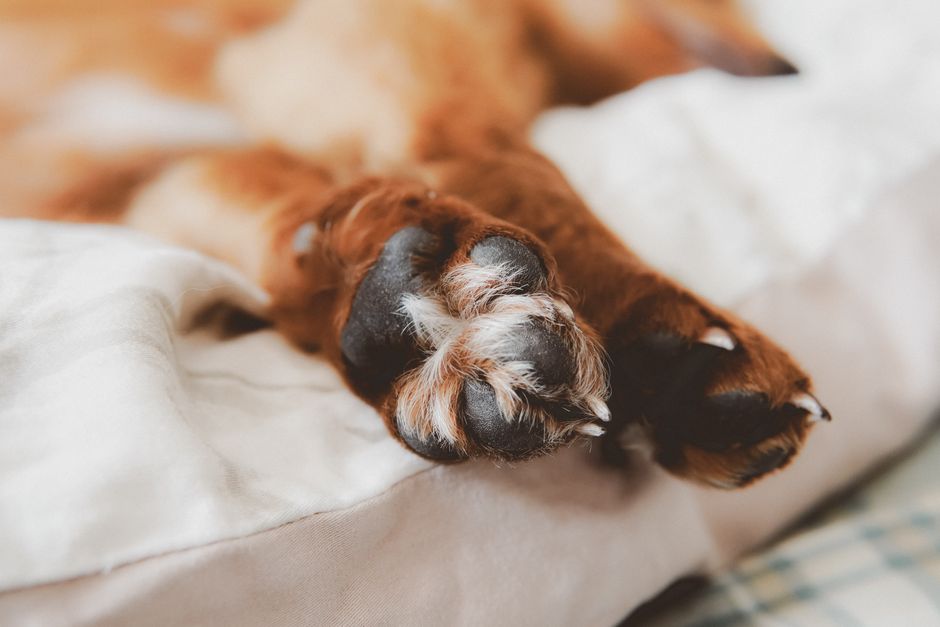
Monitor your dog for signs of paw distress including limping, excessive licking or chewing at paws, swelling, redness, or visible cracks in paw pads. Changes in gait or reluctance to walk may indicate pain or discomfort that needs attention.
When to Seek Veterinary Care
Contact your veterinarian if you notice deep cracks, bleeding, signs of infection, or if your dog shows severe discomfort. Persistent limping or refusal to put weight on a paw requires professional evaluation. Don’t attempt to treat serious injuries at home, as improper care can worsen the condition.
Conclusion
Winter paw care doesn’t have to be complicated, but it does require consistency and attention to detail. By understanding the risks, implementing daily protection strategies, and using appropriate products, you can keep your dog’s paws healthy and comfortable throughout the coldest months. Remember that every dog is different—what works for one may need adjustment for another based on size, coat type, and individual sensitivity. With proper winter paw care, you and your canine companion can enjoy winter walks safely, knowing those precious paws are well-protected against salt, ice, and harsh weather conditions. Your dog’s comfort and health are worth the extra effort, and establishing good winter paw care habits now will benefit them for many winters to come.