Why Does My Cat Suddenly Have Bad Breath? 5 Warning Signs
Has your once sweet-smelling feline friend suddenly developed breath that could knock you over? While cats aren’t exactly known for minty-fresh breath, a sudden change from normal to noticeably foul-smelling breath is definitely cause for concern. Understanding cat bad breath causes can help you identify when it’s time to take action and when it might signal a more serious health issue. Let’s explore the common culprits behind feline halitosis and what you can do to help your furry companion.
What Causes Bad Breath in Cats?
Before diving into the warning signs, it’s important to understand that cat dental health plays a crucial role in your pet’s overall well-being. Unlike humans who brush their teeth daily, cats rely on natural mechanisms and their owners’ help to maintain oral hygiene. When these systems fail, bacteria buildup can lead to various dental and health problems that manifest as bad breath.
The most common cat bad breath causes include dental disease, kidney problems, diabetes, liver issues, and respiratory infections. However, the sudden onset of halitosis often points to specific conditions that require immediate attention from a veterinary professional.

5 Warning Signs That Accompany Sudden Bad Breath
1. Yellow or Brown Tartar Buildup on Teeth
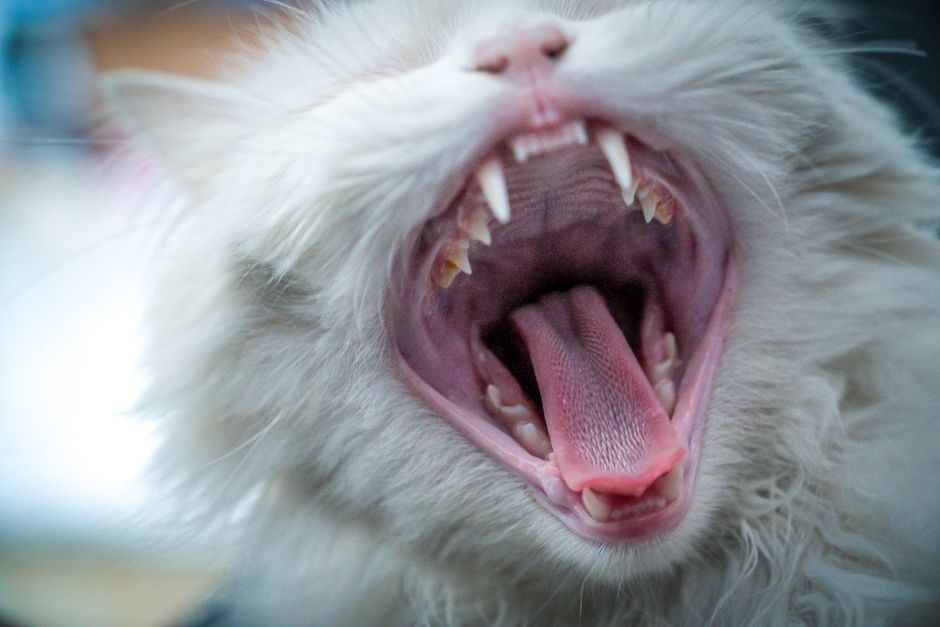
One of the most visible signs accompanying feline halitosis is the presence of yellow or brown tartar accumulation along the gum line. This hardened plaque forms when bacteria, food particles, and saliva combine and mineralize on your cat’s teeth. As tartar buildup progresses, it creates pockets where more bacteria can thrive, leading to increasingly foul breath.
Check your cat’s teeth regularly by gently lifting their lips. Healthy cat teeth should be white or slightly off-white, while the gums should appear pink. If you notice significant discoloration or thick, crusty deposits, it’s time to schedule a veterinary dental examination.
2. Red, Swollen, or Bleeding Gums
Gingivitis, or gum inflammation, is another critical indicator of declining cat dental health. When bacteria from plaque irritate the gums, they become red, swollen, and may bleed easily during eating or tooth brushing attempts. This condition not only causes bad breath but can also be quite painful for your cat.
Advanced gum disease can lead to tooth loss and bacterial infections that spread to other parts of the body, including the heart, liver, and kidneys. If you notice your cat pawing at their mouth, drooling excessively, or showing reluctance to eat hard food, inflamed gums might be the culprit.
3. Changes in Eating Habits or Appetite Loss
Cats experiencing dental pain often modify their eating behaviors significantly. You might notice your pet approaching their food bowl but then backing away, eating only soft foods while avoiding kibble, or chewing on only one side of their mouth. These behavioral changes, combined with sudden bad breath, strongly suggest dental discomfort.
Some cats may also drop food while eating, eat more slowly than usual, or lose weight due to reduced food intake. Pay attention to these subtle changes, as cats are masters at hiding pain and discomfort.
4. Excessive Drooling or Pawing at the Face
While some cats naturally drool when happy or relaxed, sudden onset of excessive drooling alongside bad breath often indicates oral pain or infection. The saliva may appear thicker than normal or contain traces of blood, contributing to the unpleasant odor.
Similarly, if your cat frequently paws at their face, rubs their mouth against furniture, or shows signs of facial sensitivity, they may be trying to alleviate dental discomfort. These behaviors, combined with feline halitosis, warrant immediate veterinary attention.
5. Systemic Symptoms Beyond the Mouth
Sometimes, bad breath in cats signals problems beyond dental issues. Sudden halitosis accompanied by increased thirst and urination might indicate kidney disease or diabetes. Breath with a sweet, fruity odor could suggest diabetic complications, while a ammonia-like smell might point to kidney problems.
Other systemic symptoms to watch for include lethargy, vomiting, changes in litter box habits, or overall behavioral changes. These signs suggest that the underlying cause of bad breath may be affecting your cat’s entire system, not just their mouth.

Practical Tips for Maintaining Cat Dental Health
Prevention is always better than treatment when it comes to cat dental health. Here are actionable steps you can take to prevent bad breath and maintain your feline’s oral hygiene:
Regular Dental Checkups
Schedule professional dental cleanings and examinations with your veterinarian at least annually, or more frequently for senior cats or those with existing dental issues. Professional cleanings performed under anesthesia allow thorough removal of tartar and assessment of tooth and gum health.
Home Dental Care
Introduce tooth brushing gradually using cat-specific toothpaste (never use human toothpaste, which is toxic to cats). Start by letting your cat lick the toothpaste from your finger, then progress to rubbing it on their gums, and finally using a cat toothbrush or finger brush.
If brushing proves impossible, consider dental treats, water additives, or dental toys designed to reduce plaque buildup. While these alternatives aren’t as effective as brushing, they can still contribute to better oral health.
Diet Considerations
Feeding dry kibble can help scrape away some plaque, while prescription dental diets are specifically formulated to reduce tartar formation. Consult your veterinarian about the best dietary approach for your cat’s individual needs.
When to Seek Veterinary Care
Don’t wait to schedule a veterinary appointment if your cat’s bad breath appears suddenly or is accompanied by any of the warning signs mentioned above. Early intervention can prevent minor dental issues from becoming serious health problems that require extensive treatment.
Emergency veterinary care may be necessary if your cat stops eating entirely, shows signs of severe pain, or exhibits symptoms suggesting systemic illness alongside the halitosis.
Conclusion
Sudden bad breath in cats is rarely just a cosmetic issue—it’s typically a sign that something needs attention. By understanding the common cat bad breath causes and recognizing warning signs early, you can help ensure your feline companion receives appropriate care before minor problems become major health concerns. Remember that maintaining good cat dental health is an ongoing commitment that pays dividends in your pet’s comfort, health, and quality of life. When in doubt, consult your veterinarian for professional guidance tailored to your cat’s specific needs. Your vigilance and proactive care can help keep your cat’s breath—and overall health—in optimal condition for years to come.