Is My Cat’s Purring Normal? When Happy Sounds Signal Health Problems
That gentle rumbling sound your cat makes when curled up on your lap is one of the most comforting sounds in the world. But what if that familiar purr suddenly changes, or you notice your feline friend purring at unusual times? While cat purring is typically a sign of contentment, understanding cat purring meaning goes beyond simple happiness. Sometimes, changes in purring patterns can indicate underlying health issues that require your attention. Let’s explore when your cat’s purr is perfectly normal and when it might be time to schedule a vet visit.
Understanding Normal Cat Purring Behavior
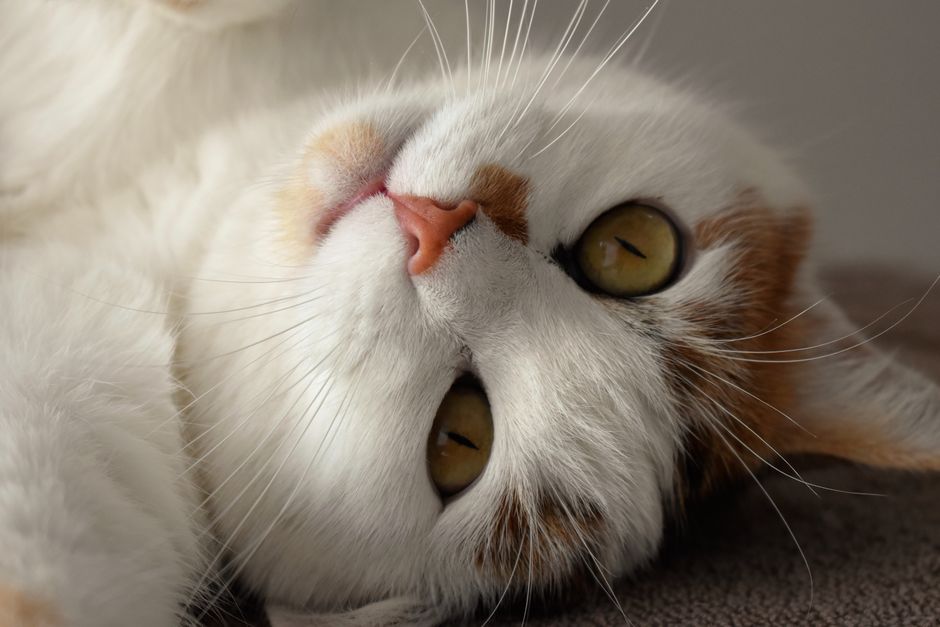
Before diving into potential concerns, it’s important to understand what constitutes normal purring behavior. Most cats begin purring within their first few days of life, using this vibration to communicate with their mothers. As adults, cats typically purr when they’re relaxed, content, or seeking attention from their favorite humans.
Normal purring usually occurs at a frequency between 25-50 Hz and has a consistent, rhythmic quality. You’ll often hear this familiar sound when your cat is:
- Being petted or cuddled
- Settling down for a nap
- Eating their favorite meal
- Greeting you after a long day
- Kneading on soft surfaces
When Cat Purring Becomes Concerning
While purring is generally positive, abnormal cat purring can sometimes indicate distress or illness. Understanding these warning signs can help you identify when your cat needs medical attention.
Changes in Purr Quality or Volume
Pay attention to sudden changes in how your cat’s purr sounds. A purr that becomes noticeably quieter, raspier, or stops altogether could indicate respiratory issues, throat problems, or general illness. Conversely, an unusually loud or intense purr might signal pain or distress.
Purring During Stressful Situations
One lesser-known aspect of cat purring meaning is that cats sometimes purr when they’re anxious, in pain, or feeling unwell. This self-soothing behavior can make it challenging to identify health problems. If your cat is purring while showing other signs of distress—such as hiding, loss of appetite, or unusual behavior—don’t assume the purr means everything is fine.
Common Health Issues Associated with Abnormal Purring
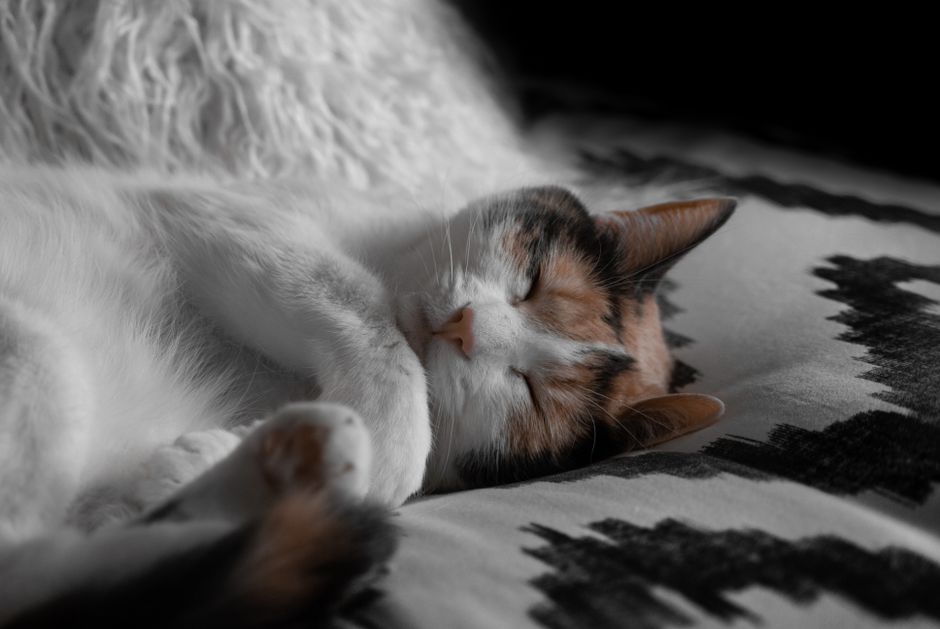
Several cat purring health issues can manifest through changes in purring behavior. Recognizing these conditions early can make a significant difference in your cat’s treatment and recovery.
Respiratory Problems
Upper respiratory infections, asthma, or other breathing difficulties can affect your cat’s ability to purr normally. You might notice:
- Weaker or intermittent purring
- Difficulty breathing while purring
- Congestion sounds mixed with purring
- Complete absence of purring
Pain-Related Purring
Cats often purr when experiencing pain as a coping mechanism. This can make it difficult to recognize when they’re suffering. Look for additional signs such as changes in eating habits, mobility issues, or altered sleeping patterns alongside unusual purring behavior.
Thyroid and Heart Conditions
Hyperthyroidism and heart disease can cause changes in purring patterns. Cats with these conditions might purr more frequently or intensely than usual, or their purr might sound different due to changes in their cardiovascular system.
Red Flags: When to Contact Your Veterinarian
Certain signs warrant immediate veterinary attention, especially when combined with changes in purring behavior:
- Complete loss of purring ability in a cat that previously purred regularly
- Labored breathing while attempting to purr
- Excessive purring accompanied by restlessness or inability to get comfortable
- Drooling or difficulty swallowing along with changes in purr quality
- Loss of appetite lasting more than 24 hours, regardless of purring behavior
- Hiding or withdrawal from normal activities, even if still purring

Practical Tips for Monitoring Your Cat’s Purring
Being proactive about monitoring your cat’s purring patterns can help you catch potential health issues early. Here are some practical strategies:
Create a Purring Baseline
Spend time understanding your cat’s normal purring patterns. Note when they typically purr, how loud it usually is, and what triggers their happy sounds. This baseline will help you identify changes more easily.
Regular Health Observations
During your daily interactions with your cat, take a moment to assess their overall behavior alongside their purring. Are they eating normally? Playing as usual? Using the litter box regularly? These observations provide valuable context for any purring changes.
Document Changes
If you notice alterations in your cat’s purring behavior, keep a simple log noting the date, circumstances, and nature of the change. This information can be invaluable for your veterinarian in diagnosing potential issues.
Supporting Your Cat’s Overall Vocal Health
Maintaining your cat’s general health supports their ability to purr normally. Ensure they have access to fresh water, high-quality nutrition, and regular veterinary check-ups. Keep their environment stress-free when possible, as chronic stress can impact their overall well-being and communication patterns.
Remember that senior cats may naturally experience some changes in their purring as they age. However, sudden or dramatic changes should always be evaluated by a professional, regardless of your cat’s age.
Conclusion
Understanding cat purring meaning goes far beyond recognizing a happy cat. While purring usually indicates contentment, being aware of abnormal cat purring patterns and potential cat purring health issues can help you provide better care for your feline companion. Trust your instincts—if something seems off about your cat’s purring or overall behavior, don’t hesitate to consult with your veterinarian. Early detection and treatment of health problems can help ensure your cat continues to share those wonderful, rumbling purrs with you for years to come. By staying observant and proactive, you’re giving your cat the best chance at a healthy, happy life filled with genuine, contented purring.