Is My Cat’s Excessive Meowing Normal? When to Worry About Vocal Changes
If you’ve noticed your feline friend chattering away more than usual, you’re not alone in wondering whether all that meowing is cause for concern. While cats are naturally vocal creatures, sudden changes in their communication patterns can leave pet owners puzzled and worried. Understanding the difference between normal feline chatter and problematic excessive cat vocalization is crucial for maintaining your cat’s health and happiness. Let’s explore when your cat meowing too much might signal an underlying issue that deserves your attention.
Understanding Normal Cat Communication
Before diving into concerning behaviors, it’s important to recognize that cats use meowing as their primary way of communicating with humans. Unlike their interactions with other cats, which rely heavily on body language and scent, our feline companions have adapted their vocal repertoire specifically for us.
Normal meowing patterns vary significantly between individual cats and breeds. Some cats, like Siamese and Oriental breeds, are naturally more talkative, while others prefer the strong, silent type approach. Typical reasons for regular meowing include:
- Greeting you when you come home
- Requesting food or treats
- Seeking attention or playtime
- Expressing contentment during petting
- Communicating basic needs like access to litter boxes
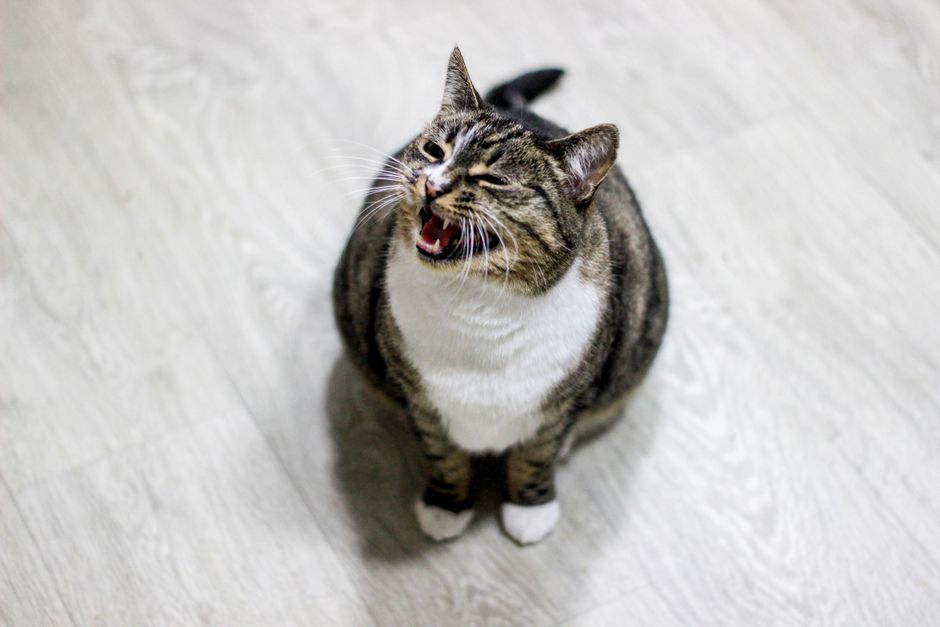
Recognizing Excessive Cat Vocalization
So when does normal communication cross the line into excessive cat vocalization? Warning signs include sudden increases in meowing frequency, changes in vocal tone or intensity, and persistent crying that seems unrelated to typical needs.
Common Triggers for Increased Meowing
Several factors can cause your cat to become more vocal than usual. Environmental changes, such as moving to a new home or introducing new pets, often trigger increased communication as cats attempt to express their stress or confusion. Additionally, changes in routine, like different feeding times or family schedules, can prompt more frequent vocalizations.
Aging cats may also develop increased vocal habits, sometimes due to cognitive changes or physical discomfort. Senior cats might meow more frequently at night, exhibiting confusion or disorientation that manifests through vocal expression.
Health-Related Causes of Cat Meowing Health Issues
When your cat meowing too much represents a sudden behavioral change, underlying health issues could be the culprit. Understanding these potential medical causes can help you determine when veterinary intervention becomes necessary.

Pain and Discomfort
Cats instinctively hide pain, but vocalization sometimes serves as their way of communicating distress. Conditions like arthritis, dental problems, or internal injuries might cause increased meowing, especially when moving, eating, or using the litter box. Pay attention to when the meowing occurs and whether it coincides with specific activities.
Cognitive Dysfunction
Senior cats may develop cognitive dysfunction syndrome, similar to dementia in humans. This condition often manifests through increased nighttime vocalization, confusion, and changes in sleep patterns. Cats with cognitive issues might meow excessively due to disorientation or anxiety.
Hyperthyroidism
This common condition in older cats can cause increased energy, restlessness, and excessive vocalization. Along with increased meowing, hyperthyroid cats often exhibit weight loss despite increased appetite, hyperactivity, and changes in grooming habits.
Behavioral Causes and Solutions
Not all cat meowing health concerns stem from medical issues. Behavioral factors frequently contribute to increased vocalization, and understanding these can help you address the problem effectively.
Attention-Seeking Behavior
Smart cats quickly learn that meowing gets results. If you consistently respond to meowing with food, attention, or access to desired areas, you might inadvertently reinforce this behavior. Breaking this cycle requires consistency and patience.
To address attention-seeking meowing:
- Ignore excessive meowing and only respond when your cat is quiet
- Provide regular interactive play sessions to meet attention needs proactively
- Establish consistent feeding schedules to reduce food-related demands
- Offer environmental enrichment through puzzle toys and climbing structures
Stress and Anxiety
Anxious cats often express their distress through increased vocalization. Identifying and addressing stressors in your cat’s environment can significantly reduce problematic meowing. Common stress triggers include territorial disputes with other pets, changes in household dynamics, or insufficient mental stimulation.
When to Consult Your Veterinarian
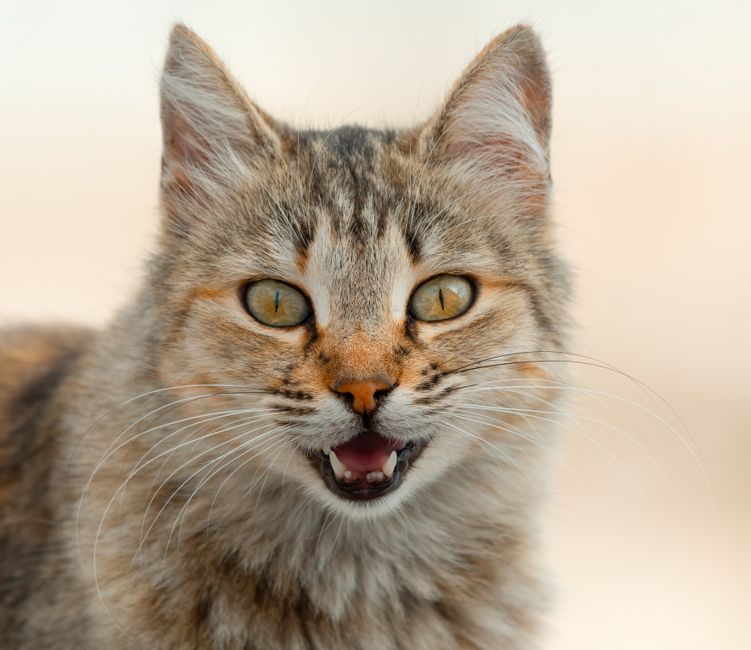
Determining when excessive cat vocalization warrants professional evaluation requires careful observation of accompanying symptoms and behavioral changes. Schedule a veterinary appointment if you notice:
- Sudden, dramatic increases in meowing frequency
- Vocalization accompanied by signs of pain or discomfort
- Changes in eating, drinking, or litter box habits
- Nighttime crying or apparent confusion
- Aggressive behavior alongside increased vocalization
- Weight loss or gain concurrent with vocal changes
Your veterinarian can perform comprehensive examinations to rule out medical causes and provide guidance for behavioral modifications if needed.
Practical Management Strategies
While addressing the root cause of excessive meowing, several strategies can help manage the behavior and improve your household’s quality of life.
Establish predictable routines for feeding, play, and interaction to reduce anxiety-driven vocalizations. Provide adequate mental and physical stimulation through interactive toys, puzzle feeders, and regular play sessions. Consider creating quiet spaces where your cat can retreat when feeling overwhelmed.
For nighttime meowing, ensure your cat has access to essentials like water, food, and clean litter boxes. Some cats benefit from nightlights to reduce confusion in darkness, particularly senior cats experiencing cognitive changes.
Conclusion
Understanding whether your cat meowing too much represents normal communication or a concerning change requires careful observation and knowledge of your individual pet’s typical behavior patterns. While some vocalization is perfectly normal and healthy, sudden increases or changes in meowing patterns warrant attention and potentially veterinary evaluation.
By recognizing the difference between attention-seeking behavior and genuine distress, you can respond appropriately to your cat’s needs while maintaining a peaceful household. Remember that cat meowing health issues often resolve with proper diagnosis and treatment, so don’t hesitate to seek professional guidance when concerned about your feline friend’s vocal changes. With patience, understanding, and appropriate intervention when necessary, you can help ensure your cat’s vocalizations remain a normal part of your loving relationship rather than a source of stress for both of you.