Why Does My Cat Stare at Me While I Sleep? Viral TikTok Behavior Explained
If you’ve been scrolling through TikTok lately, you’ve probably seen countless videos of cats intensely staring at their sleeping owners, often captured by security cameras or curious partners. This viral trend has left millions of pet parents wondering: “Why does my cat stare at me while I sleep?” The truth is, this fascinating feline behavior is rooted in deep evolutionary instincts, emotional bonds, and practical needs that go far beyond what meets the eye.

The Science Behind Cat Staring Behavior
Understanding why cats stare requires diving into their natural instincts and biological programming. Unlike humans, cats are naturally crepuscular creatures, meaning they’re most active during dawn and dusk hours. This explains why your feline friend might be wide awake and alert while you’re catching your beauty sleep.
Evolutionary Instincts at Work
In the wild, cats are both predators and prey. This dual role has shaped their behavior over thousands of years. When your cat stares at you while sleeping, they’re essentially fulfilling their role as a guardian. Your peaceful, vulnerable state triggers their protective instincts, making them feel responsible for watching over their beloved human companion.
Additionally, cats are incredibly observant creatures. They’re constantly gathering information about their environment and the beings within it. Your sleeping patterns, breathing rhythms, and subtle movements all provide valuable data that helps your cat understand and predict your behavior.
Viral TikTok Videos Reveal Universal Cat Behavior
The explosion of cat staring videos on TikTok has revealed that this behavior is far more common than most pet owners realized. These viral clips typically show cats sitting motionlessly beside their owners’ beds, sometimes for hours, maintaining an unwavering gaze that can appear both endearing and slightly unsettling.
What makes these TikTok videos so relatable is that they capture a universal experience among cat owners. The comment sections are flooded with pet parents sharing similar stories, creating a sense of community around this peculiar but completely normal feline behavior.
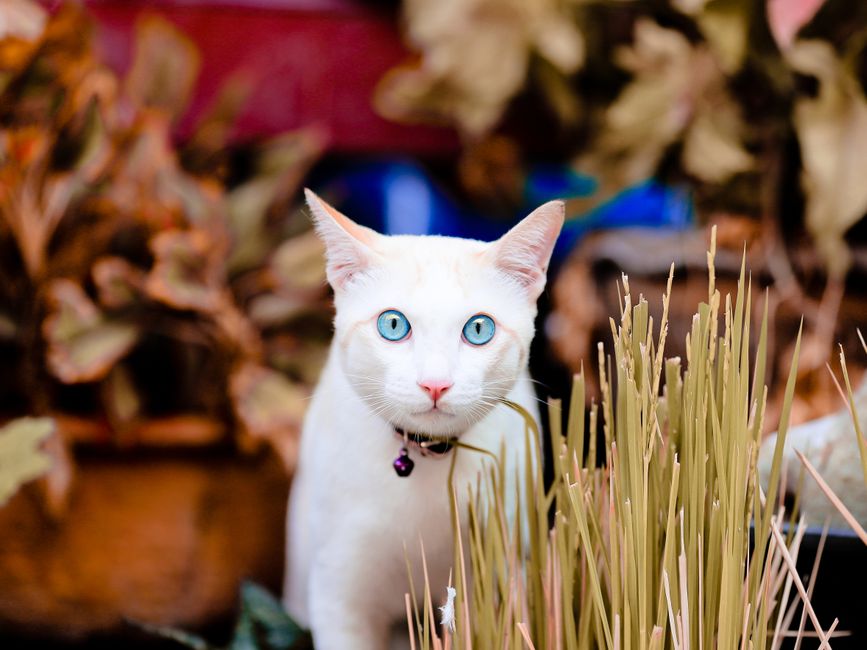
Decoding the Different Types of Cat Stares
The Protective Stare
One of the most common reasons cats stare at sleeping humans is protection. Your cat views you as part of their family unit, and their staring behavior is essentially them standing guard. This protective instinct is particularly strong in cats that have formed deep emotional bonds with their owners.
The Attention-Seeking Gaze
Sometimes, your cat’s intense stare is simply their way of trying to wake you up for food, attention, or playtime. Cats are masters of non-verbal communication, and they quickly learn that staring often gets results. If you’ve ever woken up to find your cat staring at you and immediately fed them, you’ve inadvertently reinforced this behavior.
The Comfort-Seeking Stare
Many cats find comfort in watching their humans sleep. Your steady breathing and peaceful presence can be soothing to anxious or stressed cats. This behavior is especially common in rescue cats or those who have experienced trauma, as watching their owner provides reassurance and security.
When Cat Staring Might Indicate Health Issues
While cat staring is generally normal behavior, sudden changes in your cat’s staring patterns could indicate underlying health issues. If your typically independent cat suddenly becomes clingy and starts staring excessively, or if an affectionate cat stops their usual staring behavior, it might be worth consulting your veterinarian.
Some cats may stare more intensely when they’re feeling unwell and seeking comfort from their human companions. Pay attention to other behavioral changes, appetite fluctuations, or physical symptoms that might accompany increased staring behavior.

Practical Tips for Managing Your Cat’s Staring Behavior
Creating Healthy Boundaries
If your cat’s nighttime staring is disrupting your sleep, consider establishing some gentle boundaries. You can provide alternative comfortable sleeping spots near your bed, such as a cozy cat bed or blanket, allowing your feline friend to maintain their protective watch from a designated area.
Enrichment Activities Before Bedtime
Engaging your cat in interactive play sessions before bedtime can help tire them out and reduce nighttime staring behavior. Use toys that mimic prey animals, such as feather wands or laser pointers, to satisfy their hunting instincts. Follow up playtime with a small meal to complete their natural hunt-eat-sleep cycle.
Consistent Sleep Routines
Cats thrive on routine, so establishing consistent sleep schedules can help minimize disruptive staring behavior. Try to go to bed and wake up at the same times each day, which will help your cat adjust their internal clock to better align with yours.
Building a Stronger Bond Through Understanding
Rather than viewing your cat’s staring as strange or concerning, try to appreciate it as a sign of their deep affection and trust. This behavior demonstrates that your cat sees you as an important part of their family unit and feels comfortable enough to be vulnerable in your presence.
You can strengthen this bond by acknowledging your cat’s presence with gentle words or slow blinks when you catch them staring. Cats interpret slow blinking as a sign of trust and affection, often called “cat kisses.”
Conclusion
The viral TikTok trend of cats staring at their sleeping owners has brought widespread attention to a behavior that’s both endearing and deeply rooted in feline psychology. Whether your cat is acting as a protective guardian, seeking attention, or simply finding comfort in your presence, this staring behavior is a natural expression of their bond with you. By understanding the reasons behind your cat’s nighttime vigil and implementing practical strategies to manage it, you can ensure both you and your feline companion get the rest you need while maintaining the special connection that makes cat ownership so rewarding. Remember, that intense gaze is just another way your cat says “I love you” – even if it happens to be at 3 AM.