Cat Zoomies: Why Your Indoor Cat Goes Crazy at 3 AM
Picture this: you’re peacefully sleeping when suddenly you hear the thunderous paws of your beloved feline racing through the hallway like they’re training for the Olympics. Welcome to the world of cat zoomies 3am style! If you’ve ever wondered why your seemingly calm and collected cat transforms into a furry tornado in the middle of the night, you’re not alone. This phenomenon, affectionately known as “cat zoomies,” is more common than you might think, and understanding why it happens can help both you and your crazy cat midnight runner get better rest.
What Exactly Are Cat Zoomies?
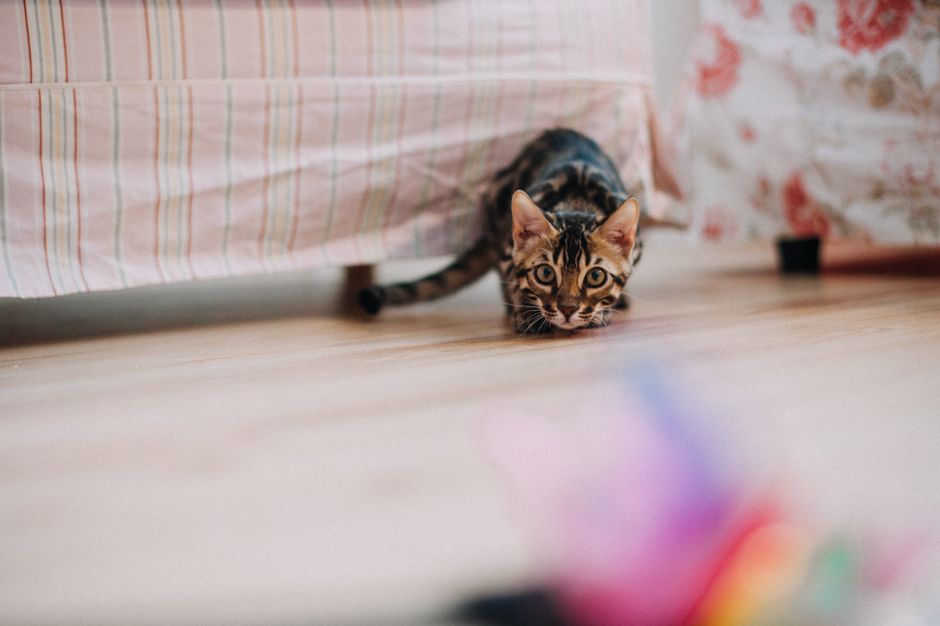
Cat zoomies, scientifically known as Frenetic Random Activity Periods (FRAPs), are sudden bursts of energy that cause cats to run, jump, and play with intense enthusiasm. During these episodes, your typically dignified feline might sprint from room to room, leap onto furniture, chase invisible prey, or engage in other seemingly erratic behaviors. While it might look like your cat has temporarily lost their mind, this behavior is completely normal and healthy.
These energy bursts typically last anywhere from a few minutes to about ten minutes, though some particularly energetic cats might extend their midnight marathons a bit longer. The intensity and frequency of zoomies can vary significantly between individual cats, with factors like age, breed, and lifestyle playing important roles.
Why Do Cat Zoomies Happen at 3 AM?
Natural Hunting Instincts
The primary reason your cat becomes hyperactive at night lies in their evolutionary programming. Cats are naturally crepuscular animals, meaning they’re most active during dawn and dusk hours. In the wild, these twilight periods are prime hunting times when prey animals are most vulnerable. Your indoor cat retains these ancient instincts, even though their biggest “hunt” might be stalking a dust bunny under the couch.
Energy Storage and Release
Indoor cats often don’t get enough physical and mental stimulation during the day, leading to pent-up energy that needs an outlet. Think of it like a pressure cooker – all that unused energy has to go somewhere, and it often explodes in the form of nighttime zoomies. This is particularly common in cats who spend most of their day sleeping or lounging while their humans are at work.
Circadian Rhythm Differences
Your cat’s internal clock operates differently from yours. While you’re winding down for deep sleep around 3 AM, your feline friend might be hitting their natural activity peak. This misalignment between human and cat sleep cycles is often the root cause of those disruptive midnight racing sessions.

Factors That Trigger Cat Zoomies
Age and Life Stage
Kittens and young adult cats are much more prone to intense zoomie sessions than senior cats. Their higher energy levels and playful nature make them prime candidates for 3 AM racing circuits. However, even older cats can experience zoomies, though they’re typically shorter and less frequent.
Diet and Feeding Schedule
What and when your cat eats can significantly impact their energy levels. Cats who receive large meals may experience energy spikes, while those who are slightly hungry might become more active as their hunting instincts kick in. The timing of meals can also influence when these energy bursts occur.
Environmental Factors
Changes in the household, new sounds, or even weather patterns can trigger zoomie episodes. Some cats become particularly energetic before storms due to changes in barometric pressure, while others might react to unfamiliar noises or scents.
How to Manage and Reduce Nighttime Cat Zoomies
Increase Daytime Activity
The most effective way to reduce crazy cat midnight episodes is to tire out your feline during the day. Engage your cat in active play sessions using interactive toys like feather wands, laser pointers, or motorized mice. Aim for at least 15-20 minutes of vigorous play spread throughout the day, with a particularly intense session about an hour before your bedtime.
Establish a Feeding Routine
Try feeding your cat a small meal right before bed. This mimics the natural hunt-eat-sleep cycle and can help promote sleepiness. Additionally, consider splitting your cat’s daily food intake into smaller, more frequent meals to prevent energy spikes from large meals.
Create Environmental Enrichment
Provide mental stimulation during the day with puzzle feeders, treat-dispensing toys, and climbing structures. A mentally tired cat is just as likely to sleep peacefully as a physically tired one. Rotate toys regularly to maintain your cat’s interest and prevent boredom.

Adjust Your Cat’s Schedule Gradually
You can slowly shift your cat’s active periods to align better with your schedule. Gradually move play and feeding times earlier in the evening, and avoid engaging with your cat during their nighttime zoomies (as tempting as it might be to join in the fun).
When to Be Concerned About Cat Zoomies
While cat zoomies are generally harmless, there are situations when you should consult your veterinarian. If your cat suddenly starts having significantly more frequent or intense zoomie sessions, shows signs of distress during or after episodes, or if the behavior is accompanied by other concerning symptoms like excessive vocalization, loss of appetite, or changes in litter box habits, it’s worth having a professional evaluation.
Additionally, if your senior cat suddenly begins having intense zoomie sessions after years of calm behavior, this could indicate an underlying health issue that needs attention.
Living in Harmony with Your Zoomie-Prone Cat
Remember that cat zoomies 3am adventures are a sign of a healthy, happy cat expressing natural behaviors. Instead of viewing these episodes as problematic, try to appreciate them as glimpses into your cat’s wild ancestry. With proper management techniques and understanding, you can minimize disruptions while allowing your feline friend to express their natural instincts.
Understanding why your cat goes hyperactive at night is the first step toward creating a harmonious household where both you and your furry companion can rest peacefully. By implementing the strategies outlined above and maintaining patience with your crazy cat midnight runner, you’ll likely see a significant improvement in everyone’s sleep quality. Sweet dreams to you and your feline friend!