Why Does My Cat Stare at Me? 8 Surprising Reasons Behind the Creepy Gaze
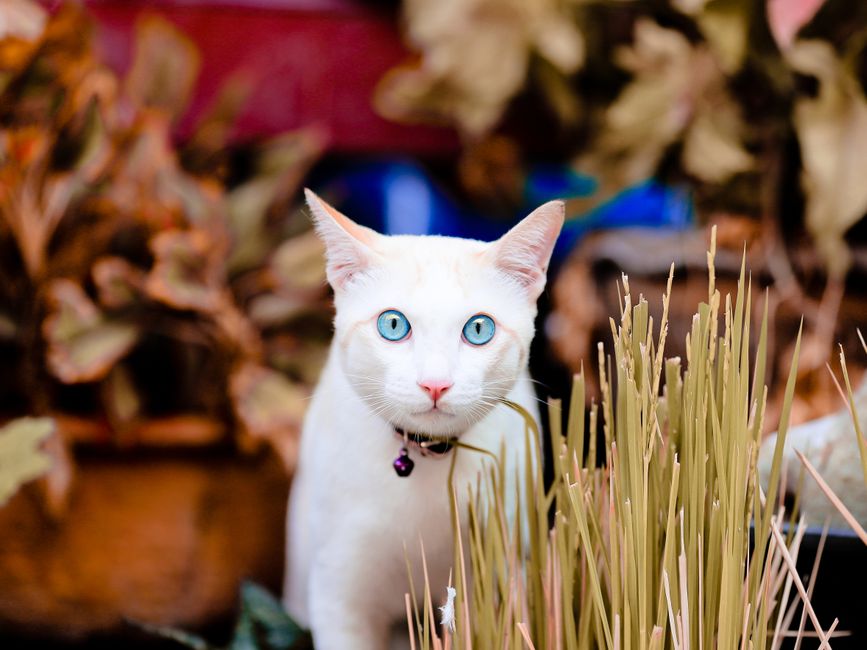
You’re relaxing on the couch when you suddenly feel a pair of eyes boring into your soul. You look up to find your feline friend giving you that intense, unblinking stare that seems to peer directly into your deepest secrets. If you’ve ever wondered “why does my cat stare at me?” you’re not alone. This mysterious cat staring behavior has puzzled pet owners for centuries, and the reasons behind those penetrating gazes are more fascinating than you might think.
Understanding Cat Staring Behavior: More Than Just Curiosity
Cat staring behavior is a complex form of feline communication that serves multiple purposes. Unlike humans who might find prolonged eye contact uncomfortable, cats use staring as a primary way to interact with their environment and communicate their needs, emotions, and intentions. Understanding why cats stare can strengthen your bond with your feline companion and help you respond appropriately to their silent messages.

8 Surprising Reasons Why Your Cat Stares at You
1. They’re Showing Affection and Trust
One of the most heartwarming reasons behind cat staring behavior is pure love. When your cat stares at you with half-closed eyes and gives you slow blinks, they’re essentially giving you “cat kisses.” This behavior, known as the “slow blink,” is a sign of deep trust and affection. In the wild, closing their eyes makes cats vulnerable to predators, so when they do this around you, it means they feel completely safe and loved.
2. They Want Something From You
Often, the reason why cats stare is simply because they’re trying to communicate a need. Your cat might be staring because they want food, water, attention, or access to their favorite sleeping spot that you’re currently occupying. This type of staring is usually accompanied by other behaviors like meowing, purring, or positioning themselves near what they want.
3. They’re Hunting or in Predator Mode
Cats are natural predators, and staring is part of their hunting instinct. If your cat’s pupils are dilated and they have an intense, focused stare, they might be in “hunt mode.” This could be triggered by small movements, shadows, or even just their instinctual need to practice their predatory skills on the most interesting moving object in the room – you!
4. They’re Trying to Read Your Mood
Cats are incredibly perceptive animals that can pick up on subtle changes in human behavior and emotions. When cats stare at their owners, they might be trying to assess your emotional state or predict your next move. This cat staring behavior helps them determine whether you’re likely to provide food, playtime, or if they should give you space.
5. Territorial Assessment
In multi-pet households, cats might stare to establish or maintain their position in the household hierarchy. This type of staring is usually more intense and might be accompanied by other territorial behaviors. Understanding this aspect of why cats stare can help you manage multi-pet dynamics more effectively.
6. Boredom or Overstimulation
Sometimes, cat staring behavior occurs when your feline friend is either understimulated and looking for entertainment, or overstimulated and trying to process their environment. Indoor cats, in particular, might stare at their owners when they’re seeking mental or physical stimulation.
7. Health-Related Staring
While less common, persistent or unusual staring might indicate health issues. Cognitive dysfunction, vision problems, or neurological conditions can sometimes manifest as changed staring behavior. If your cat’s staring patterns suddenly change or seem concerning, it’s worth consulting with a veterinarian.
8. Learning and Memory Formation
Cats are constantly learning and forming associations. When they stare at you, they might be creating or reinforcing mental connections between your actions and outcomes. This is why cats often stare intensely when you’re preparing their food or engaging in activities they find interesting.

How to Respond to Your Cat’s Staring
Understanding why cats stare is only half the battle – knowing how to respond appropriately can improve your relationship with your feline friend. Here are some practical tips:
Positive Responses to Cat Staring Behavior
- Return the slow blink: When your cat gives you a loving stare with slow blinks, reciprocate to reinforce the bond
- Check their needs: If the staring seems demanding, assess whether they need food, water, or litter box cleaning
- Provide enrichment: If boredom seems to be the cause, engage them with toys or interactive play
- Respect their space: Sometimes cats stare when they want to be left alone
When to Be Concerned
While most cat staring behavior is completely normal, watch for these red flags:
- Sudden changes in staring patterns
- Staring accompanied by aggression or fear
- Staring into empty spaces for extended periods
- Staring combined with other concerning behaviors like loss of appetite or lethargy
Building a Better Bond Through Understanding
Recognizing and appropriately responding to cat staring behavior can significantly enhance your relationship with your feline companion. Each cat is unique, and learning your pet’s individual communication style – including their staring patterns – helps create a more harmonious household.
Pay attention to the context of the staring, your cat’s body language, and any accompanying behaviors. Over time, you’ll develop an intuitive understanding of what your cat is trying to communicate through their gaze.
Conclusion: Embracing the Mysterious Cat Stare
The next time you find yourself wondering “why does my cat stare at me?” remember that this behavior is usually a compliment. Whether they’re expressing love, communicating a need, or simply trying to understand you better, cat staring behavior is a fundamental part of feline communication. By understanding the reasons behind those intense gazes and responding appropriately, you’re not just solving a mystery – you’re strengthening the special bond you share with your feline friend. Embrace the stare, decode the message, and enjoy this unique form of interspecies communication that makes cat ownership so rewarding.