Is My Dog’s Bad Breath Normal? When to Worry About Dental Health
If you’ve ever been greeted by your furry friend with a face full of less-than-pleasant breath, you’re not alone. While many pet owners assume that dog bad breath is just a normal part of dog ownership, the truth is more complex. That “doggy breath” could be signaling underlying dental health issues that require attention. Understanding when your dog’s bad breath crosses the line from normal to concerning can help you protect your pet’s overall health and ensure those cuddle sessions remain enjoyable for everyone involved.
Understanding Normal vs. Problematic Dog Bad Breath
Not all dog bad breath is created equal. A mild, somewhat musky odor is generally normal, especially after meals or when your dog hasn’t had their teeth cleaned in a while. However, when that breath becomes persistently foul, fishy, or develops other unusual characteristics, it’s time to pay closer attention to your pet’s dental health.
Normal dog breath typically has a neutral to slightly meaty smell, particularly after eating. This mild odor shouldn’t be overpowering or make you recoil when your dog pants nearby. On the other hand, problematic breath often carries strong, offensive odors that seem to worsen over time rather than improve with basic care.
Red Flag Odors That Demand Attention
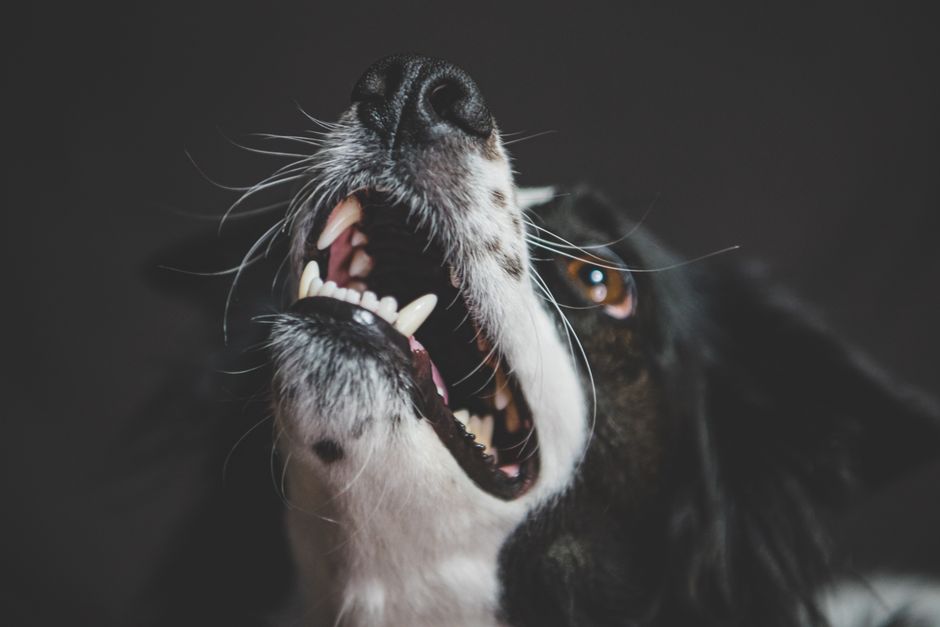
Certain types of bad breath in dogs serve as clear warning signs of dental or health problems. A sweet, fruity smell might indicate diabetes, while breath that smells like urine could signal kidney problems. Extremely foul, rotting odors often point to advanced dental disease, infected teeth, or oral tumors.
Fishy or metallic-smelling breath frequently indicates gum disease or bleeding in the mouth. These warning signs shouldn’t be ignored, as they often represent treatable conditions that can significantly impact your dog’s quality of life if left unaddressed.
Common Causes of Dog Bad Breath
Understanding the root causes of dog bad breath can help you determine whether your pet needs professional dental care. The most common culprit is poor dental hygiene leading to plaque and tartar buildup. Just like humans, dogs accumulate bacteria in their mouths, which can cause persistent odors when oral care is neglected.
Periodontal disease affects over 80% of dogs by age three, making it the leading cause of problematic breath in canines. This condition starts with gingivitis and can progress to serious infections that damage teeth, gums, and even jaw bones if left untreated.
Beyond Dental Issues: Other Health Concerns
Sometimes, dog bad breath originates from non-dental sources. Gastrointestinal problems, respiratory infections, liver disease, and kidney dysfunction can all manifest through changes in breath odor. Dogs who frequently eat inappropriate items or have food allergies may also develop persistent bad breath as their digestive systems struggle to process problematic substances.
Warning Signs That Require Veterinary Attention
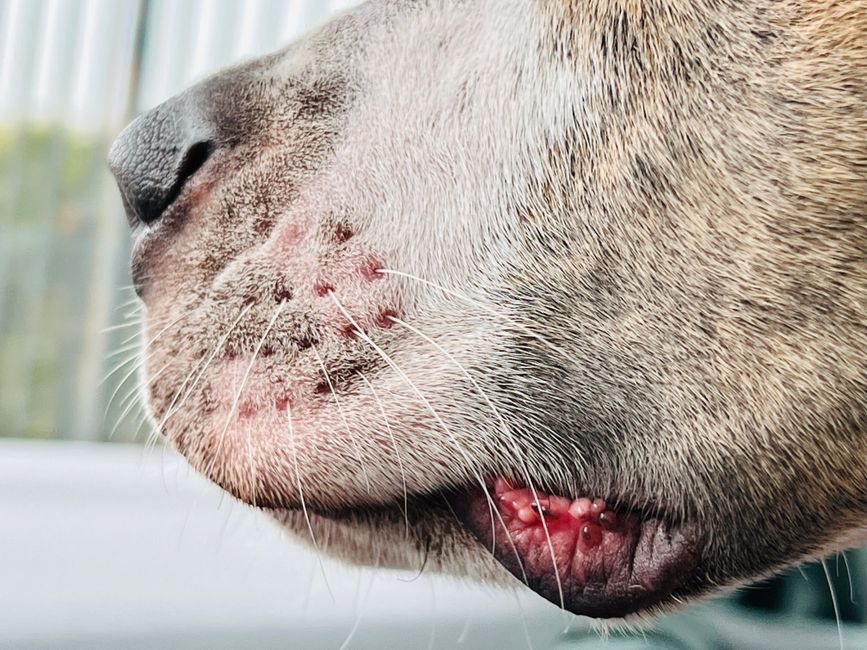
Recognizing the warning signs that accompany problematic dog bad breath can help you determine when professional intervention is necessary. Physical symptoms like yellow or brown tartar buildup on teeth, red or swollen gums, loose teeth, or visible pain when eating all indicate advancing dental disease.
Behavioral changes often accompany serious dental health problems. Watch for reluctance to eat hard foods, pawing at the face, excessive drooling, or changes in chewing patterns. These warning signs, combined with persistent bad breath, suggest your dog needs professional dental evaluation.
Systemic Health Indicators
When dog bad breath occurs alongside symptoms like increased drinking and urination, lethargy, vomiting, or changes in appetite, the problem may extend beyond simple dental health issues. These combinations of symptoms warrant immediate veterinary attention, as they could indicate serious underlying health conditions.
Practical Steps for Improving Your Dog’s Dental Health
Taking proactive steps to maintain your dog’s dental health can prevent many cases of problematic bad breath. Regular tooth brushing remains the gold standard for canine oral care. Use dog-specific toothpaste and gradually introduce your pet to the routine to make it a positive experience.
Dental chews and toys designed to reduce plaque can supplement regular brushing. Look for products approved by the Veterinary Oral Health Council (VOHC) to ensure effectiveness. These items work by mechanically scraping away plaque as your dog chews, helping maintain cleaner teeth between professional cleanings.
Professional Dental Care Options
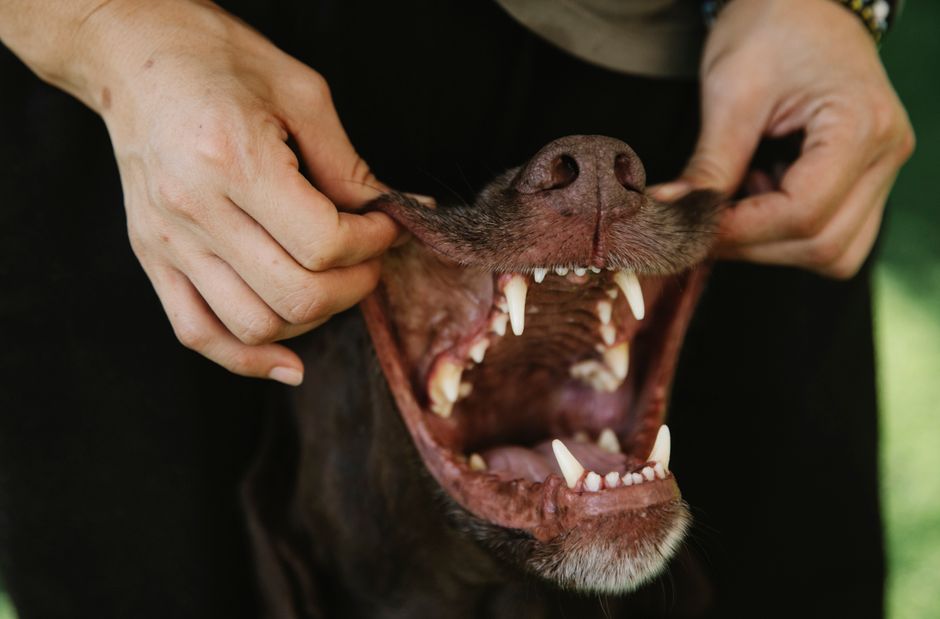
Professional dental cleanings performed by veterinarians provide the most thorough approach to maintaining canine dental health. These procedures, typically performed under anesthesia, allow for complete plaque and tartar removal, including areas below the gum line that home care cannot reach.
Your veterinarian may also recommend dental X-rays to identify problems not visible during external examination. Early detection of dental issues through professional care can prevent more serious complications and help maintain your dog’s overall health.
Prevention: Your Best Defense Against Dental Problems
Preventing dental health issues is far easier and less expensive than treating advanced conditions. Establishing a consistent oral care routine early in your dog’s life sets the foundation for lifelong dental health. Even older dogs can benefit from improved dental care, though patience may be required when introducing new routines.
Regular veterinary checkups should always include dental health assessments. Your veterinarian can identify early warning signs of dental disease and recommend appropriate interventions before problems become severe.
Taking Action for Your Dog’s Dental Health
Don’t let persistent dog bad breath become the norm in your household. While mild odors may be normal, significant or worsening breath problems often signal underlying dental health issues that require attention. By understanding the warning signs, implementing consistent oral care routines, and seeking professional veterinary care when needed, you can help ensure your furry friend maintains healthy teeth and fresh breath throughout their life. Remember, good dental health contributes to your dog’s overall wellbeing, potentially adding years to their life while keeping those face-to-face moments pleasant for everyone involved.