Is My Senior Cat in Pain? 7 Subtle Signs Every Owner Should Know
As our beloved feline companions age, they become masters of disguise—especially when it comes to hiding pain. Unlike dogs who might whimper or limp obviously, cats have evolved to conceal discomfort as a survival instinct. This makes recognizing senior cat pain signs one of the most challenging yet crucial skills for any cat owner. If you’ve been wondering whether your older cat might be silently suffering, you’re not alone. Understanding these subtle signals can make the difference between your senior cat living comfortably or enduring unnecessary pain in their golden years.
Why Senior Cats Hide Their Pain
Cats are naturally stoic creatures, but this tendency becomes even more pronounced as they age. In the wild, showing weakness could make them vulnerable to predators, so cats have developed an remarkable ability to mask discomfort. Additionally, older cats often experience gradual onset conditions like arthritis, which means they slowly adapt to their pain rather than displaying obvious distress signals.
This evolutionary behavior means that by the time most owners notice something is wrong, their senior cat may have been experiencing pain for weeks or even months. That’s why learning to spot the earliest symptoms is so important for your cat’s quality of life.
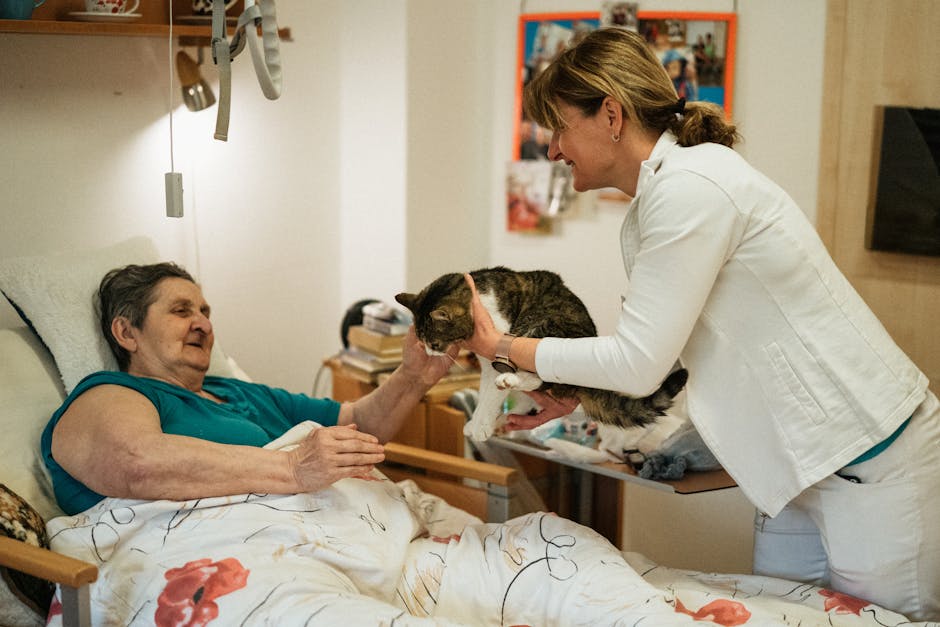
7 Subtle Signs Your Senior Cat May Be in Pain
1. Changes in Mobility and Movement
One of the most common senior cat pain signs involves subtle changes in how your cat moves. You might notice your cat hesitating before jumping onto their favorite perch, taking longer to stand up after napping, or avoiding stairs they once climbed easily. Some cats develop a slightly hunched posture or begin walking more stiffly, especially first thing in the morning.
2. Altered Grooming Habits
Cats are meticulous groomers, so any changes in this behavior can signal discomfort. Senior cats in pain may groom less frequently, leading to a dull, unkempt coat or even matting. Conversely, some cats may over-groom specific areas that hurt, creating bald patches or skin irritation. Pay particular attention if your cat stops grooming hard-to-reach areas like their back or hind legs.
3. Litter Box Issues
When older cats begin having accidents outside the litter box, pain is often the culprit. Arthritic cats may find it difficult to climb into high-sided boxes or maintain the squatting position necessary for elimination. They might also associate the litter box with pain if movement hurts, leading to avoidance behaviors.

4. Changes in Sleep Patterns and Location
Senior cats naturally sleep more, but pain can significantly alter where and how they rest. Cats experiencing joint pain often seek out warmer, softer surfaces and may abandon favorite sleeping spots that require jumping or climbing. You might find your cat sleeping in unusual locations like bathroom rugs (which are often warmer) or avoiding their cat tree entirely.
5. Appetite and Eating Behavior Changes
Pain can manifest in various eating-related behaviors. Some senior cats may eat less due to dental pain or nausea associated with chronic discomfort. Others might approach their food bowl but eat less enthusiastically or leave food behind. Watch for signs like difficulty chewing, dropping food, or preferring softer textures.
6. Social and Behavioral Changes
Personality changes are among the most heartbreaking symptoms of pain in senior cats. A once-social cat might become withdrawn, hiding more frequently or avoiding family interactions. Alternatively, some cats become more vocal or clingy when experiencing discomfort. Increased irritability, especially when touched in certain areas, can also indicate localized pain.
7. Reduced Activity and Playfulness
While senior cats naturally become less active, a significant decrease in play behavior or interest in their environment often signals pain. This might look like ignoring favorite toys, spending more time sleeping, or simply seeming less engaged with household activities.
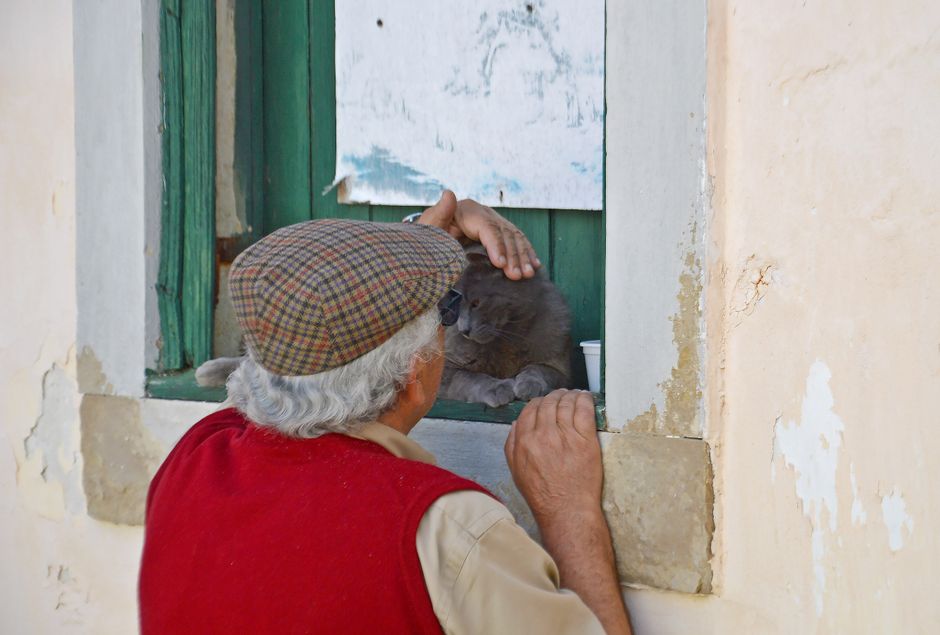
What to Do If You Suspect Pain
Document Your Observations
Before visiting your veterinarian, keep a brief diary of your senior cat pain signs. Note specific behaviors, when they occur, and their frequency. This information helps veterinarians understand the scope and severity of your cat’s condition.
Schedule a Comprehensive Senior Exam
Senior cats should have veterinary checkups every six months, but if you notice potential pain signals, don’t wait. A thorough examination can identify conditions like arthritis, dental disease, or other age-related issues causing discomfort.
Consider Environmental Modifications
While waiting for your veterinary appointment, you can make your home more comfortable for a potentially painful senior cat. Provide easy access to elevated surfaces with ramps or steps, offer multiple litter boxes with lower sides, and ensure food and water bowls are easily accessible.
Prevention and Management Strategies
Managing pain in older cats often involves a multi-faceted approach. Your veterinarian might recommend pain medications, joint supplements, or therapeutic diets. Weight management becomes crucial, as extra pounds put additional stress on painful joints. Some cats benefit from gentle massage or warm, comfortable bedding that supports aching joints.
Regular, gentle exercise appropriate for senior cats can also help maintain mobility and prevent stiffness from worsening. This might include encouraging short play sessions or providing puzzle feeders that require mild physical activity.
Conclusion
Recognizing senior cat pain signs requires patience, observation, and a deep understanding of your individual cat’s normal behavior patterns. Remember that subtle changes often indicate significant discomfort in cats, and early intervention can dramatically improve your senior cat’s quality of life. Trust your instincts—you know your cat better than anyone, and if something seems “off,” it’s worth investigating.
Don’t let your senior cat suffer in silence. By staying alert to these seven subtle signs and working closely with your veterinarian, you can ensure your older feline friend enjoys their golden years with comfort and dignity. After all, our senior cats have given us years of companionship and deserve nothing less than our vigilant care in return.