Is My Dog Having a Stroke? Emergency Warning Signs Every Pet Owner Should Know
Watching your beloved dog suddenly lose balance, tilt their head strangely, or seem confused can be absolutely terrifying. While strokes in dogs are less common than in humans, they do occur and recognizing the dog stroke symptoms could save your furry friend’s life. As a responsible pet owner, understanding these critical warning signs and knowing when to seek emergency veterinary care can make all the difference in your dog’s recovery and quality of life.
Understanding Strokes in Dogs: What Pet Owners Need to Know
A stroke occurs when blood flow to the brain is disrupted, either by a blockage (ischemic stroke) or bleeding (hemorrhagic stroke). Unlike humans, dogs rarely experience the classic stroke presentation we’re familiar with. Canine strokes often present more subtly, making them challenging to identify without knowing what to look for.
Dogs of any age can experience strokes, though senior dogs and those with underlying health conditions like heart disease, kidney disease, or Cushing’s disease are at higher risk. Certain breeds, including Cavalier King Charles Spaniels and Greyhounds, may also have increased susceptibility.
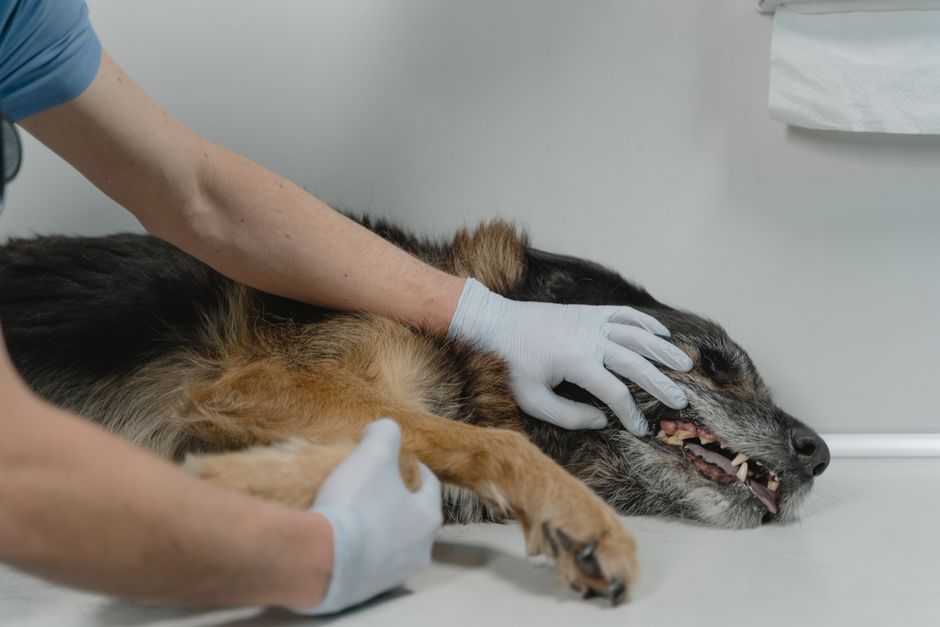
Critical Dog Stroke Symptoms: When to Act Fast
Recognizing dog stroke symptoms early is crucial for your pet’s recovery. Unlike gradual health changes, stroke symptoms typically appear suddenly and dramatically. Here are the most important warning signs every pet owner should memorize:
Immediate Physical Signs
- Loss of balance or coordination: Your dog may stumble, fall over, or walk in circles
- Head tilting: A pronounced tilt to one side that doesn’t correct itself
- Abnormal eye movements: Eyes may dart back and forth rapidly or appear to be looking in different directions
- Facial drooping: One side of the face may appear to sag or droop
- Sudden blindness: Your dog may bump into familiar objects or seem unable to see
- Loss of bladder or bowel control: Sudden incontinence in a house-trained dog
Behavioral and Neurological Warning Signs
- Disorientation or confusion: Your dog may seem lost in familiar surroundings
- Difficulty eating or drinking: Problems with swallowing or coordinating mouth movements
- Lethargy or unresponsiveness: Extreme tiredness or failure to respond to their name
- Seizures: Though less common, some dogs may experience seizure activity
- Personality changes: Sudden aggression, fearfulness, or unusual behavior
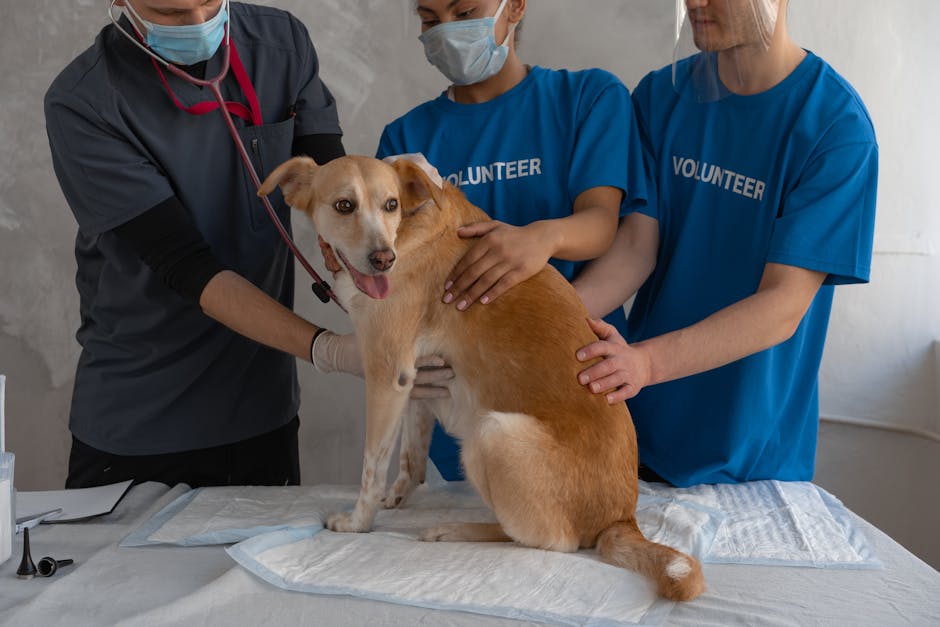
Emergency Response: What to Do If You Suspect a Stroke
Time is critical when dealing with potential stroke symptoms in dogs. If you notice any combination of the warning signs mentioned above, treat it as a medical emergency. Here’s your step-by-step action plan:
Immediate Steps
- Stay calm – Your dog will pick up on your anxiety, which could worsen their stress
- Contact your veterinarian immediately – Call ahead so they can prepare for your arrival
- Keep your dog comfortable and safe – Prevent falls by keeping them on a flat surface
- Document symptoms – Note the time symptoms started and take a video if possible
- Transport carefully – Use a blanket or carrier to safely move your dog to avoid further injury
What NOT to Do
During this stressful time, avoid these common mistakes:
- Don’t give any medications unless specifically directed by your vet
- Don’t attempt to force food or water, as swallowing may be compromised
- Don’t wait to see if symptoms improve – early intervention is key
- Don’t assume it’s “just old age” – these symptoms always warrant immediate attention
Conditions That Mimic Dog Stroke Symptoms
Several other conditions can present with similar dog stroke symptoms, which is why professional veterinary diagnosis is essential. These include:
- Vestibular disease: Inner ear problems causing balance issues and head tilting
- Brain tumors: Can cause gradual or sudden neurological symptoms
- Seizure disorders: May present with confusion and disorientation
- Toxin exposure: Certain poisons can cause neurological symptoms
- Severe infections: Can affect brain function and cause similar symptoms
Your veterinarian will perform comprehensive tests including blood work, neurological examinations, and possibly advanced imaging to determine the exact cause of your dog’s symptoms.

Prevention and Risk Reduction
While not all strokes can be prevented, you can significantly reduce your dog’s risk by:
- Maintaining regular veterinary checkups to catch underlying conditions early
- Managing chronic conditions like diabetes, heart disease, and high blood pressure
- Providing a healthy diet and regular exercise to maintain optimal weight
- Keeping up with dental care to prevent infections that could affect circulation
- Avoiding exposure to toxins and maintaining a safe environment
Recovery and Prognosis
The good news is that dogs often recover better from strokes than humans do. With prompt veterinary care, many dogs can regain significant function, though the recovery process may take weeks to months. Your veterinarian will work with you to develop a rehabilitation plan that may include physical therapy, medication management, and environmental modifications to help your dog adapt.
The extent of recovery depends on factors like the severity and location of the stroke, how quickly treatment was administered, and your dog’s overall health condition. Some dogs make nearly complete recoveries, while others may have lasting effects but can still enjoy a good quality of life with proper care and accommodations.
Conclusion: Being Prepared Could Save Your Dog’s Life
Recognizing dog stroke symptoms and warning signs is one of the most important skills any pet owner can develop. While strokes in dogs can be frightening, quick recognition and immediate emergency veterinary care can dramatically improve outcomes. Remember that sudden onset neurological symptoms should always be treated as urgent – it’s better to have a false alarm than to miss a critical window for treatment.
Keep your veterinarian’s emergency contact information easily accessible, stay familiar with these warning signs, and trust your instincts. You know your dog better than anyone, and if something seems seriously wrong, don’t hesitate to seek professional help. Your vigilance and quick action could be the key to helping your beloved companion recover and continue enjoying life by your side.