Why Does My Cat Sleep on My Laptop? The Science Behind Feline Tech Obsession
If you’re a cat owner who works from home, you’ve probably experienced this scenario: you step away from your desk for just a moment, only to return and find your furry friend sprawled across your laptop keyboard, purring contentedly. This seemingly deliberate act of technological sabotage isn’t just coincidence – there’s actually fascinating science behind why cats are so drawn to our electronic devices. Understanding cat behavior technology interactions can help you work more effectively while keeping your feline companion happy.
The Warmth Factor: Your Laptop as a Personal Heating Pad
The primary reason why cats sit on computers is surprisingly simple: heat. Laptops generate significant warmth when running, creating an irresistible hot spot that appeals to your cat’s natural temperature preferences. Cats have a higher body temperature than humans (around 101-102°F) and are constantly seeking warm surfaces to maintain their comfort.
Your laptop’s keyboard and palm rest areas become perfectly heated lounging spots, especially during colder months. This behavior is rooted in your cat’s wild ancestry, where finding warm places was crucial for survival and energy conservation. Modern house cats have retained this instinct, making your working laptop an ideal substitute for a sunny rock or warm patch of earth.

Attention-Seeking Behavior: The Ultimate Work Interruption
Another significant factor in cat sleeping on laptop behavior is attention-seeking. Cats are incredibly intelligent and quickly learn that positioning themselves on your laptop guarantees immediate human interaction. Whether it’s gentle removal, petting, or even frustrated exclamations, your cat receives the attention they crave.
Understanding the Psychology
This behavior reinforces itself through positive feedback loops. Each time your cat successfully interrupts your work and receives attention – even negative attention – they’re more likely to repeat the behavior. From your cat’s perspective, laptop occupation is a foolproof strategy for engaging their favorite human.
Territory and Scent Marking
Cats are territorial creatures who mark their domain through scent. When you spend hours typing on your laptop, it becomes saturated with your scent. Your cat’s decision to claim this space isn’t random – they’re asserting ownership over an item that smells strongly of their human companion.
Additionally, the laptop represents a high-value territory in your cat’s mental map of the household. It’s where you spend significant time and attention, making it a prime real estate location from your cat’s perspective. By occupying this space, they’re essentially claiming the most important spot in their human’s daily routine.
The Texture and Size Appeal
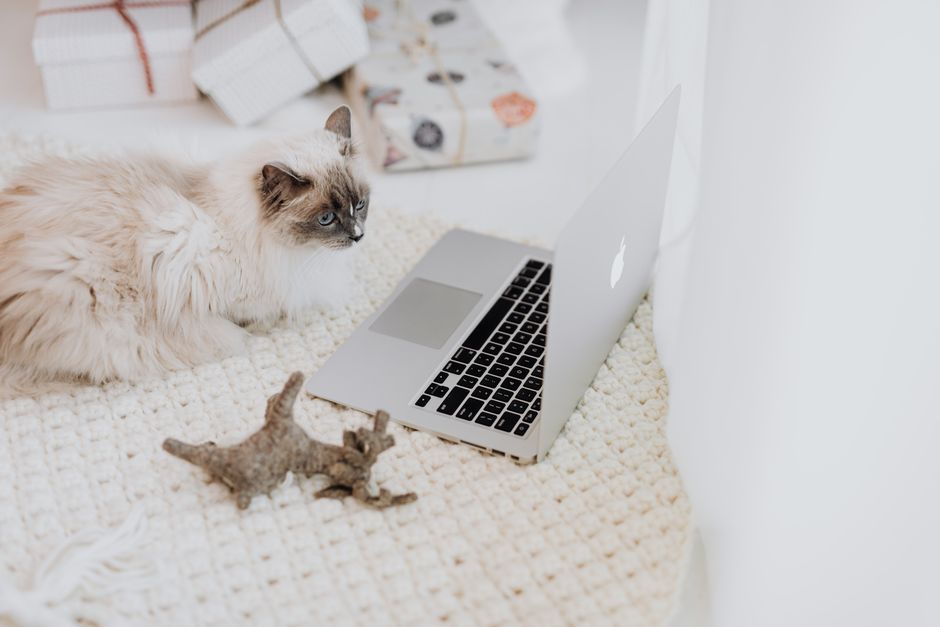
Modern laptops offer an ideal combination of size and texture that appeals to cats. The flat, slightly textured surface of keyboards provides interesting sensory input for their paw pads, while the laptop’s dimensions often match a cat’s preferred sleeping size. The slight elevation also gives cats a better vantage point to survey their surroundings while resting.
Practical Solutions for Laptop-Loving Cats
Understanding why your cat exhibits this behavior is the first step toward finding workable solutions. Here are evidence-based strategies to redirect your cat’s tech obsession:
Create Alternative Warm Spots
- Heated pet beds: Invest in a quality heated cat bed positioned near your workspace
- Heating pads: Place pet-safe heating pads in strategic locations around your office
- Sunny perches: Position cat beds near windows or other naturally warm areas
Establish Dedicated Cat Zones
Designate specific areas of your workspace for your cat. A small cat bed on your desk or a nearby cat tree can satisfy their need to be close while keeping them off your laptop. Make these areas more appealing by adding familiar blankets or toys with your scent.
Use Positive Redirection
Instead of simply removing your cat from your laptop, actively redirect them to appropriate alternatives. Reward them with treats or attention when they choose their designated spot over your computer. This positive reinforcement helps establish new, more convenient habits.
When to Be Concerned
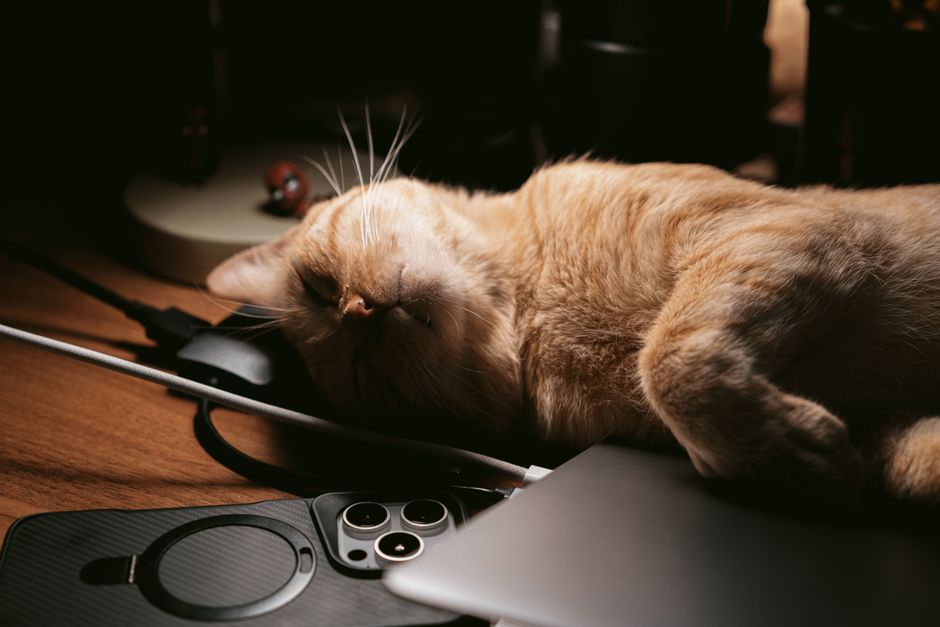
While cat sleeping on laptop behavior is generally normal, sudden increases in attention-seeking behavior might indicate underlying issues. If your previously independent cat suddenly becomes overly clingy or demanding, consider consulting your veterinarian to rule out health problems or stress-related behaviors.
Technology-Safe Strategies for Cat Owners
Protecting your equipment while accommodating your cat’s needs requires some practical adaptations:
- Laptop stands: Elevate your laptop to make it less accessible while improving ergonomics
- Keyboard covers: Use protective covers when stepping away from your computer
- Regular breaks: Schedule frequent breaks to give your cat focused attention, reducing their need to interrupt your work
- Consistent routines: Establish regular playtime and interaction schedules to meet your cat’s social needs
Conclusion: Embracing Your Cat’s Tech Obsession
The phenomenon of cats gravitating toward laptops and other electronic devices stems from a combination of natural instincts and learned behaviors. Heat-seeking, attention-seeking, territory marking, and comfort preferences all contribute to this common feline behavior. Rather than viewing your cat’s laptop occupation as purely disruptive, consider it a sign of their affection and desire to be involved in your daily activities.
By understanding the science behind why cats sit on computers and implementing thoughtful solutions, you can create a harmonious workspace that accommodates both your productivity needs and your cat’s natural behaviors. Remember, successful cohabitation with cats often requires creativity, patience, and a willingness to adapt your environment to meet everyone’s needs.
The next time you find your cat curled up on your keyboard, take a moment to appreciate the complex motivations behind this seemingly simple behavior – and maybe invest in that heated cat bed you’ve been considering.