Is My Dog Having a Stroke? Warning Signs Every Pet Owner Must Know
As a devoted pet parent, few things are more frightening than watching your beloved dog suddenly exhibit strange, alarming behaviors. When your furry friend loses balance, tilts their head oddly, or seems confused and disoriented, you might wonder: “Is my dog having a stroke?” Understanding dog stroke symptoms and recognizing these critical warning signs can make the difference between a full recovery and permanent complications. While strokes in dogs are less common than in humans, they do occur and require immediate veterinary attention.
Understanding Strokes in Dogs: What Every Owner Should Know
A stroke occurs when blood flow to the brain is interrupted, either by a blood clot (ischemic stroke) or bleeding in the brain (hemorrhagic stroke). Unlike humans, dogs typically experience strokes differently, and the underlying causes can vary significantly. Senior dogs are more susceptible, though strokes can affect canines of any age.
The good news is that dogs often recover better from strokes than humans do, thanks to their brain’s remarkable ability to adapt and heal. However, recognizing dog stroke symptoms early and seeking immediate emergency veterinary care remains crucial for the best possible outcome.
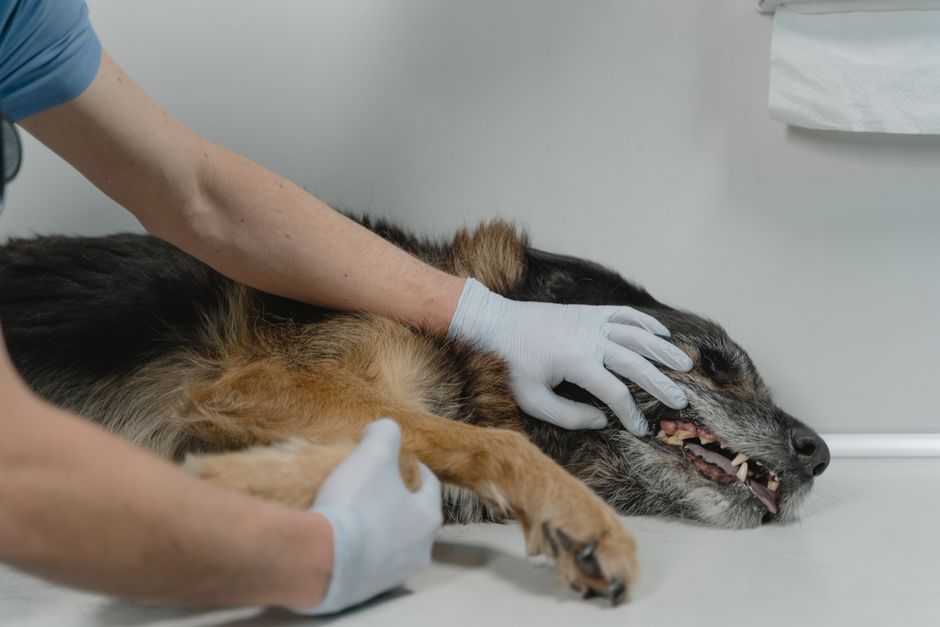
Critical Dog Stroke Symptoms: Red Flags That Demand Immediate Action
Recognizing the signs of a stroke in your dog can be challenging because many symptoms mimic other health conditions. Here are the most important warning signals to watch for:
Sudden Loss of Balance and Coordination
One of the most obvious dog stroke symptoms is an abrupt loss of balance. Your dog may stumble, fall over, or have difficulty walking in a straight line. This lack of coordination, called ataxia, often appears without warning and can range from mild unsteadiness to complete inability to stand.
Head Tilting and Circling Behavior
Dogs experiencing a stroke frequently develop a pronounced head tilt to one side. They may also walk in circles, always turning in the same direction. This circling behavior is particularly concerning when combined with other neurological signs.
Facial Paralysis and Drooping
Similar to human stroke victims, dogs may exhibit facial paralysis on one side. You might notice drooping around the mouth, difficulty closing one eye, or an asymmetrical appearance to your dog’s face. These signs indicate neurological damage that requires immediate veterinary assessment.
Sudden Vision Problems
Stroke-related vision issues can manifest as bumping into furniture, hesitation when navigating familiar spaces, or apparent blindness in one or both eyes. Your dog might seem confused about their surroundings or reluctant to move around normally.
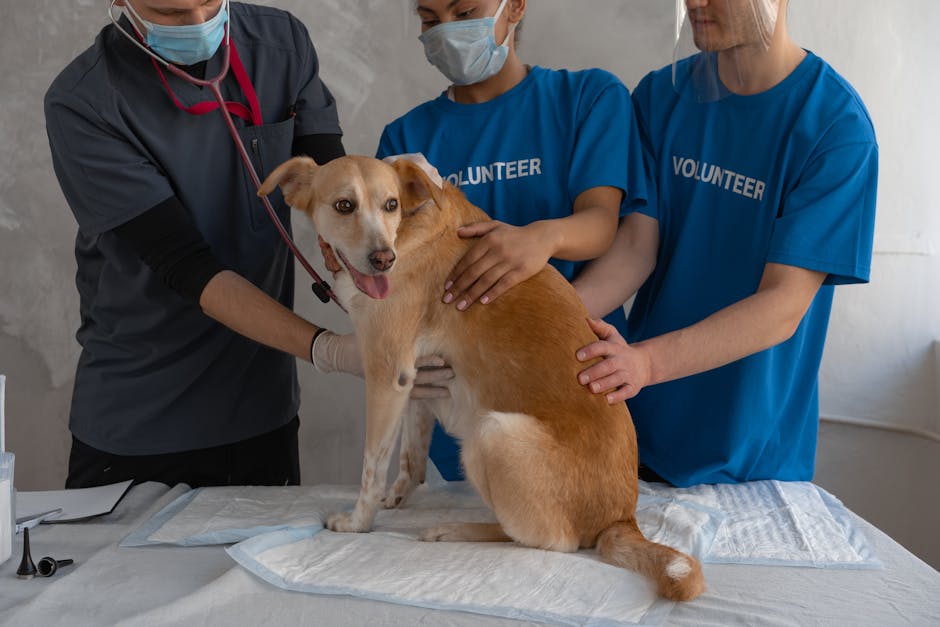
Behavioral Changes and Confusion
Dogs having a stroke often display sudden behavioral changes. They may seem disoriented, confused, or unable to respond to familiar commands. Some dogs become unusually agitated, while others appear lethargic or unresponsive.
Abnormal Eye Movements
Watch for unusual eye movements, including rapid side-to-side motion (nystagmus) or eyes that don’t move together properly. These symptoms suggest neurological involvement and warrant immediate emergency veterinary attention.
What to Do If You Suspect Your Dog Is Having a Stroke
Time is critical when dealing with potential dog stroke symptoms. Here’s your immediate action plan:
Stay Calm and Act Quickly
Your dog will pick up on your anxiety, so remain as calm as possible while taking swift action. Contact your veterinarian or emergency animal hospital immediately to inform them you’re bringing in a dog with suspected stroke symptoms.
Ensure Your Dog’s Safety
Gently move your dog to a safe, quiet area away from stairs or furniture they could bump into. Avoid forcing movement if your dog is having difficulty with coordination or balance.
Document the Symptoms
If possible, take notes or even video of the symptoms you’re observing. This documentation can be invaluable for the veterinary team in making an accurate diagnosis and determining the best treatment approach.
Transport Safely
Carefully transport your dog to the veterinary clinic, using a blanket or stretcher for larger dogs who can’t walk steadily. Keep the car environment calm and quiet during the journey.

Risk Factors and Prevention Strategies
Understanding what increases stroke risk can help you take preventive measures for your dog’s long-term health:
Common Risk Factors
Senior dogs face higher stroke risks, particularly those with underlying health conditions such as diabetes, kidney disease, heart problems, or high blood pressure. Certain breeds may also have genetic predispositions to circulatory issues.
Prevention Through Proactive Care
Regular veterinary checkups, maintaining a healthy weight, providing appropriate exercise, and managing underlying health conditions can significantly reduce stroke risk. A balanced diet and keeping up with preventive medications also play important roles in maintaining your dog’s cardiovascular and neurological health.
Recovery and Long-Term Outlook
The recovery process varies depending on the stroke’s severity and location in the brain. Many dogs show remarkable improvement within the first few days to weeks following a stroke. Physical therapy, medication management, and supportive care often contribute to successful rehabilitation.
Your veterinarian will develop a comprehensive recovery plan that may include anti-inflammatory medications, physical therapy exercises, and modifications to your dog’s environment to ensure safety during the healing process.
When to Seek Emergency Veterinary Care
Never adopt a “wait and see” approach when you notice potential dog stroke symptoms. Any sudden onset of neurological signs—including loss of balance, head tilting, facial drooping, or behavioral changes—warrants immediate professional evaluation. Early intervention significantly improves the chances of a positive outcome.
Remember that other serious conditions can mimic stroke symptoms, including inner ear infections, brain tumors, or toxic ingestion. Only a qualified veterinary professional can properly diagnose and treat these emergency situations.
Being aware of dog stroke symptoms and knowing how to respond can be life-saving knowledge for any pet owner. Trust your instincts—if something seems wrong with your dog’s behavior or movement, seek veterinary care immediately. Your quick action and awareness could make all the difference in your furry friend’s recovery and quality of life. Stay vigilant, stay informed, and never hesitate to contact your emergency veterinary team when your dog’s health is at stake.