Why Does My Cat Stare at Me? The Science Behind Your Feline’s Gaze
Have you ever caught your cat staring at you with those intense, unblinking eyes and wondered what’s going through their furry little mind? You’re not alone! Cat staring behavior is one of the most common and fascinating aspects of feline communication that puzzles pet owners worldwide. While it might feel like your cat is plotting world domination (and let’s be honest, they probably are), there are actually several scientific explanations for why cats stare. Understanding your cat’s gaze can deepen your bond and help you respond appropriately to their needs.
The Science Behind Cat Staring Behavior
Cats are naturally observant creatures, and their staring behavior stems from millions of years of evolutionary programming. Unlike humans, who often perceive prolonged eye contact as confrontational, cats use staring as a primary form of communication. Their visual system is designed to detect even the slightest movements, making them exceptional hunters and keen observers of their environment – including you!
Research in feline behavior shows that cats have developed sophisticated ways to communicate with their human companions, and staring is just one tool in their communication arsenal. When your cat stares at you, they’re often trying to convey specific messages or fulfill particular needs.

Common Reasons Why Cats Stare at Their Humans
They’re Showing Affection
One of the most heartwarming reasons for cat staring behavior is pure love and affection. When cats stare at their favorite humans with half-closed eyes or accompanied by slow blinking, they’re essentially giving you “cat kisses.” This behavior, known as the “slow blink,” is a sign of trust and contentment. You can even return this gesture by slowly closing and opening your eyes while looking at your cat.
They Want Something From You
Let’s face it – cats are masters of manipulation, and they know exactly how to get what they want. If your cat is staring at you around mealtime, near their empty food bowl, or while looking toward their favorite treats, they’re likely making a not-so-subtle request. This type of staring is often accompanied by meowing, purring, or strategic positioning near whatever they desire.
They’re Being Protective
Cats are naturally territorial and protective of their family members. When your feline friend stares at you, they might be keeping watch and ensuring your safety. This protective staring is particularly common when you’re sick, upset, or when there are new people or animals in the house.
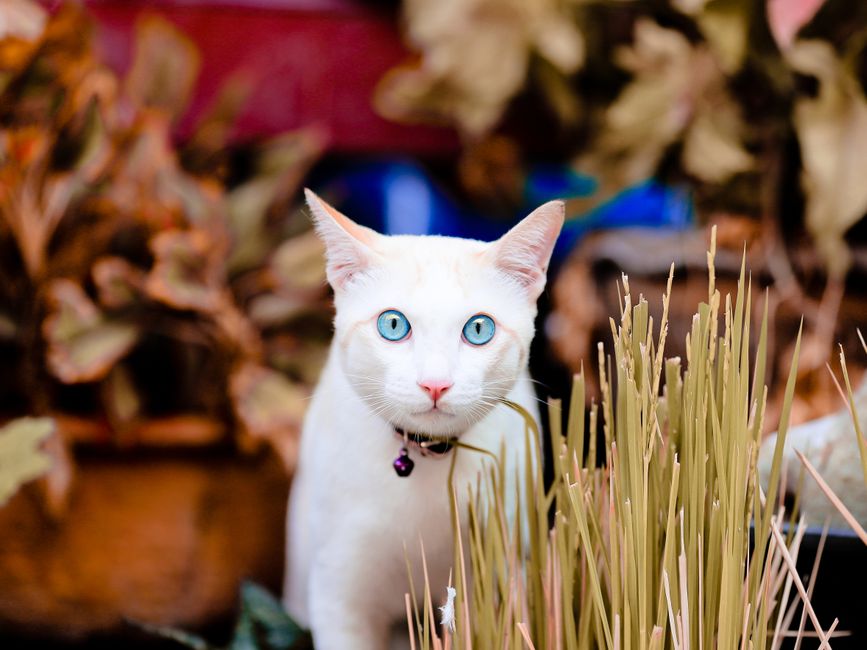
Curiosity and Learning
Cats are incredibly curious creatures who learn through observation. Your cat might stare at you to understand your routines, predict your next moves, or simply because they find your behavior interesting. This is especially common with new cats who are still learning about your habits and household routines.
Seeking Attention
Sometimes, cats stare simply because they want interaction. If you’ve been busy or haven’t given your cat attention lately, their intense gaze might be their way of saying, “Hey, remember me? I’m here, and I’d like some pets, please!”
Understanding Cat Body Language Beyond Staring
To truly understand why cats stare, it’s essential to look at the complete picture of cat body language. Staring doesn’t occur in isolation – it’s usually accompanied by other behavioral cues that provide context:
Tail Position and Movement
A cat’s tail tells a story. When staring is accompanied by a slowly swishing tail, your cat might be focused or slightly agitated. A straight-up tail with staring usually indicates happiness and confidence, while a puffed-up tail suggests fear or aggression.
Ear Position
Forward-facing ears combined with staring typically indicate interest or contentment. Flattened or backward ears might suggest your cat is feeling threatened or annoyed, even if they’re maintaining eye contact.
Purring and Vocalizations
When staring is accompanied by purring, your cat is likely expressing contentment or seeking affection. Meowing while staring usually indicates they want something specific from you.

How to Respond to Your Cat’s Staring
Understanding your cat’s staring behavior is only half the battle – knowing how to respond appropriately is equally important for maintaining a healthy relationship with your feline friend.
The Slow Blink Response
When your cat gives you a loving stare with slow blinks, return the gesture! This simple act can strengthen your bond and reassure your cat that their affection is reciprocated.
Address Their Needs
If your cat is staring for practical reasons (food, water, litter box cleaning), acknowledge their request and respond accordingly. This reinforces positive communication between you and your pet.
Provide Interactive Play
Sometimes, staring indicates boredom or excess energy. Engaging your cat in interactive play with toys can satisfy their need for stimulation and reduce attention-seeking behaviors.
When Cat Staring Might Be Concerning
While most cat staring behavior is perfectly normal, there are instances when it might indicate underlying issues. If your cat’s staring is accompanied by aggressive posturing, excessive vocalization, or sudden changes in behavior, it’s worth consulting with a veterinarian or animal behaviorist.
Additionally, if a previously social cat suddenly begins staring more frequently without engaging in other normal behaviors, this could indicate illness or stress that requires professional attention.
Building a Stronger Bond Through Understanding
Recognizing and appropriately responding to your cat’s staring behavior can significantly improve your relationship. Cats appreciate when their humans understand their communication attempts, and this mutual understanding creates a foundation of trust and affection.
Take time to observe your cat’s different types of stares and the contexts in which they occur. You’ll likely discover that your feline friend has various “looks” for different situations, each conveying unique messages.
Conclusion
Understanding why cats stare opens up a fascinating window into feline psychology and communication. Whether your cat is expressing love, making requests, or simply observing their favorite human, their gaze is a meaningful form of interaction that deserves our attention and appropriate response. By learning to interpret cat body language and responding thoughtfully to cat staring behavior, you’re not just satisfying your curiosity – you’re building a stronger, more communicative relationship with your beloved feline companion. The next time you catch your cat staring at you, remember that behind those intense eyes is a complex, loving creature trying to connect with you in their own unique way.