Golden Retriever Puppy Training Schedule: Week-by-Week Guide for First-Time Owners
Bringing home a Golden Retriever puppy is one of life’s greatest joys, but it can also feel overwhelming when you’re staring into those adorable eyes wondering where to start with training. The good news? Golden Retrievers are naturally eager to please and incredibly intelligent, making them one of the most trainable dog breeds. With the right golden retriever puppy training schedule, you’ll transform your fluffy bundle of energy into a well-behaved companion who’s the envy of every dog park. This comprehensive week-by-week guide will walk you through everything you need to know, from those crucial first days to building advanced skills that will last a lifetime.
Why Golden Retrievers Need Structured Training
Golden Retrievers were originally bred as hunting companions, which means they have high energy levels, strong retrieving instincts, and an intense desire to work alongside their humans. Without proper guidance, these wonderful traits can quickly turn into problematic behaviors like excessive jumping, mouthy play, and destructive chewing. A structured golden retriever training schedule helps channel their natural intelligence and enthusiasm into positive behaviors while strengthening the bond between you and your new best friend.
Weeks 8-10: Foundation Building Phase
House Training and Crate Introduction
During these crucial first weeks, your primary focus should be establishing a safe routine. Start with crate training by making the crate a positive space with comfortable bedding and special treats. Take your puppy outside every 1-2 hours, immediately after meals, naps, and play sessions. Consistency is key – use the same door and go to the same spot in your yard each time.
Basic Name Recognition and Attention
Begin teaching your puppy their name by saying it in a happy, upbeat tone and rewarding them with treats when they look at you. Practice this 10-15 times throughout the day during calm moments. This forms the foundation for all future training commands.
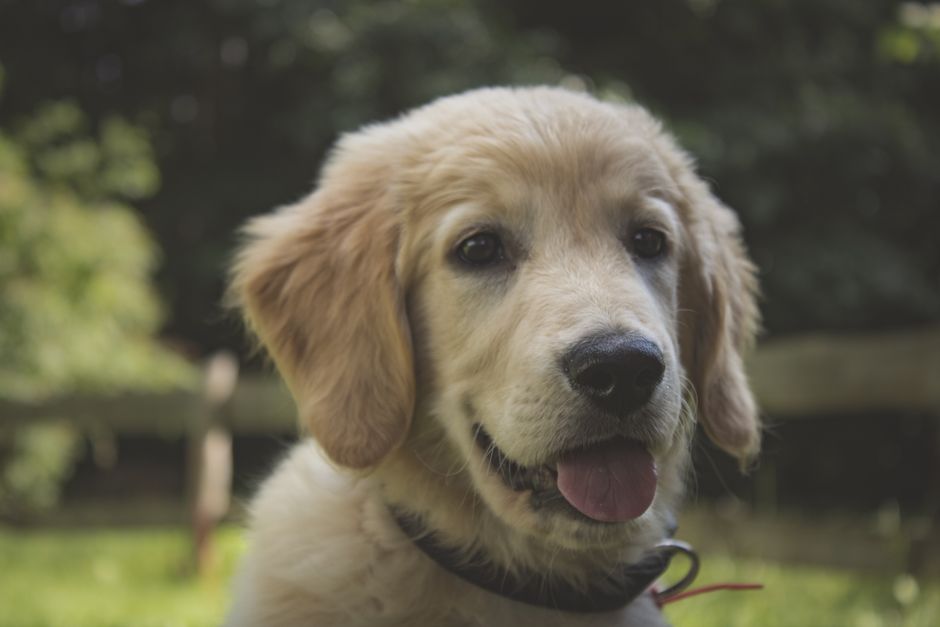
Weeks 11-13: Basic Commands and Social Skills
Essential Commands to Master
Now it’s time to introduce the “Big Three” commands that every Golden Retriever should know. Start with “sit” by holding a treat above your puppy’s nose and slowly moving it back over their head – their bottom will naturally touch the ground. The moment they sit, say “sit,” give the treat, and offer enthusiastic praise.
For “stay,” begin with your puppy in the sit position. Hold your hand up in a “stop” gesture, take one small step back, wait two seconds, then return and reward. Gradually increase the distance and duration as they improve.
Teaching “come” requires making yourself irresistibly exciting. Start in a small, enclosed area, crouch down, open your arms wide, and call your puppy’s name followed by “come” in an enthusiastic voice. When they reach you, shower them with praise and treats.
Socialization Fundamentals
These golden retriever training tips emphasize the critical importance of socialization during this period. Introduce your puppy to different sounds, textures, people, and experiences in a controlled, positive manner. Even before they’re fully vaccinated, you can carry them to observe the world around them safely.
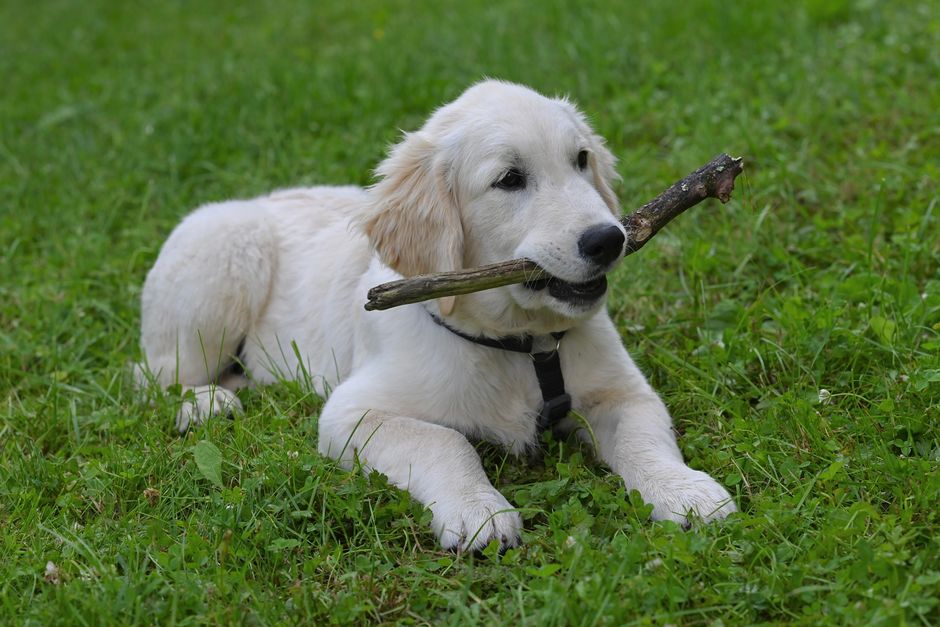
Weeks 14-16: Leash Training and Advanced Basics
Mastering Loose Leash Walking
Golden Retrievers are naturally enthusiastic explorers, which can make leash training challenging. Start indoors with a lightweight leash, letting your puppy drag it around under supervision to get used to the feeling. When they’re comfortable, pick up the leash and follow them around, keeping it loose.
For outdoor walks, use the “stop and go” method. The moment your puppy pulls, stop walking completely. Only move forward when the leash is slack. This teaches them that pulling gets them nowhere, while walking nicely keeps the adventure going.
Building on Basic Commands
By now, your golden retriever puppy training schedule should include longer training sessions of 10-15 minutes, twice daily. Add “down” to your command repertoire by luring your sitting puppy’s nose to the ground with a treat, then slowly pulling it away from them until they lie down completely.
Weeks 17-20: Impulse Control and Real-World Skills
Teaching Patience and Self-Control
Golden Retrievers can be excitable, so impulse control exercises are crucial. Practice “wait” at doorways, having your puppy pause before going through. Teach them to sit and wait for their food bowl instead of jumping and spinning with excitement. These exercises build the mental discipline they’ll need throughout their lives.
Addressing Common Golden Retriever Challenges
Most Golden Retriever puppies go through a “mouthy” phase where they want to grab everything with their teeth. Redirect this behavior by always having appropriate chew toys available and teaching the “drop it” command using high-value treats as motivation.

Weeks 21-24: Advanced Training and Problem-Solving
Refining Commands with Distractions
Your golden retriever training tips should now focus on proofing behaviors in different environments. Practice commands in your backyard, on walks, and around other people and dogs. This ensures your puppy will listen even when exciting distractions are present.
Building Reliable Recall
A reliable recall can be lifesaving. Never call your puppy to you for something they perceive as negative, like ending playtime or giving a bath. Instead, practice recall games where coming to you always results in something wonderful – treats, praise, or even being released to go play again.
Monthly Maintenance: Keeping Skills Sharp
Training doesn’t end at six months – it evolves into a lifelong journey of learning and bonding. Continue practicing basic commands daily, even if just for a few minutes. Golden Retrievers thrive on mental stimulation, so consider advanced training classes, agility, or even therapy dog certification as your puppy matures.
Troubleshooting Common Training Challenges
Every puppy learns at their own pace, and setbacks are completely normal. If your Golden Retriever seems to “forget” a command, go back to basics and rebuild slowly. Remember that consistency, patience, and positive reinforcement will always win over harsh corrections or rushed timelines.
Conclusion
Following a structured golden retriever puppy training schedule sets both you and your furry friend up for years of happiness together. Remember that the key to successful training lies not in perfection, but in consistency, patience, and making the process enjoyable for both of you. Your Golden Retriever’s eager-to-please nature means they want nothing more than to make you happy – with the right guidance and plenty of positive reinforcement, you’ll be amazed at how quickly they transform from a bouncy puppy into a well-mannered family member. Start implementing these golden retriever training tips today, and enjoy watching your puppy grow into the loyal, obedient companion that makes this breed so beloved worldwide.