Why Does My Cat Knock Things Off Tables? The Science Behind Feline Physics
If you’re a cat owner, you’ve probably witnessed this scene countless times: your feline friend deliberately pushes your coffee mug, phone, or favorite pen right off the edge of a table, then stares at you with those innocent eyes. This seemingly destructive behavior isn’t your cat being spiteful – it’s actually a fascinating display of natural instincts and curiosity. Understanding why cats engage in this peculiar habit can help you better appreciate your pet’s behavior and find effective ways to manage it.
The Natural Instincts Behind the Chaos
When your cat knocks things off tables, they’re not plotting against you – they’re following deeply ingrained evolutionary behaviors. In the wild, cats are natural hunters who need to investigate everything in their environment to determine if it’s prey, predator, or simply an obstacle. This investigative process often involves using their paws to test objects, which in a domestic setting translates to your belongings taking a tumble.
The behavior stems from what animal behaviorists call “prey drive.” Cats have an instinctual need to hunt and explore, and when they encounter small objects on elevated surfaces, these items trigger their predatory responses. Your cat’s brain processes that pen or hair tie as a potential prey item that needs to be investigated through touch and movement.
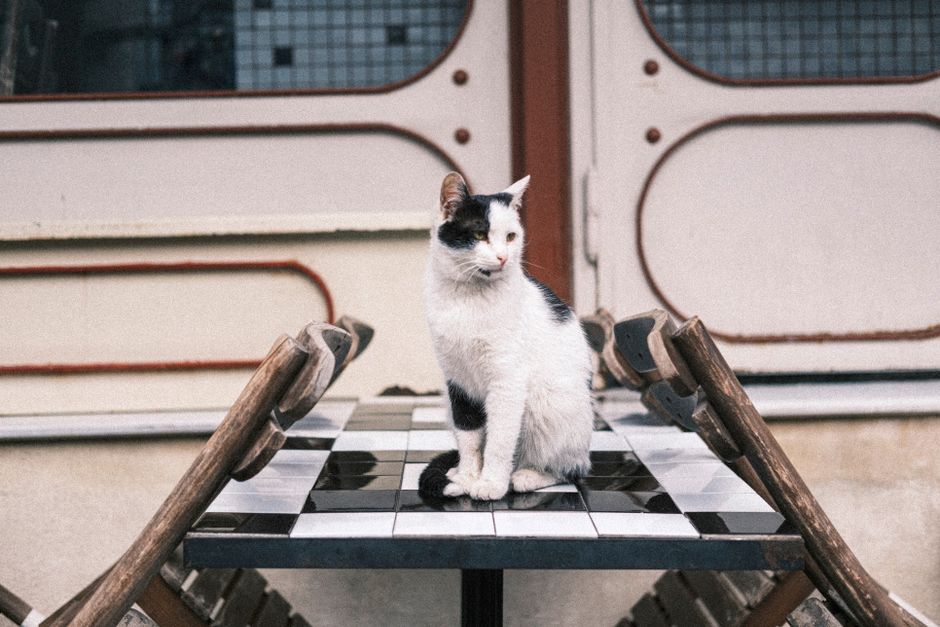
Understanding Your Cat’s Sensory Experience
Paw Sensitivity and Exploration
Cats have incredibly sensitive paws equipped with numerous nerve endings that help them gather information about objects. When your cat approaches an item on a table, they use their paws as we might use our hands – to feel texture, weight, and movement potential. This tactile exploration often results in objects being pushed around or off surfaces.
Unlike humans, cats don’t have the fine motor control to gently handle small objects. Their natural pawing motion is designed for catching and manipulating prey, which means even gentle investigation can send lightweight items flying.
The Physics of Feline Curiosity
From your cat’s perspective, the physics of falling objects is endlessly entertaining. The sound of something hitting the floor, the visual stimulus of watching it fall, and your reaction all combine to create an engaging experience. This cat behavior explained through science shows us that our pets are natural experimenters, testing cause and effect relationships in their environment.
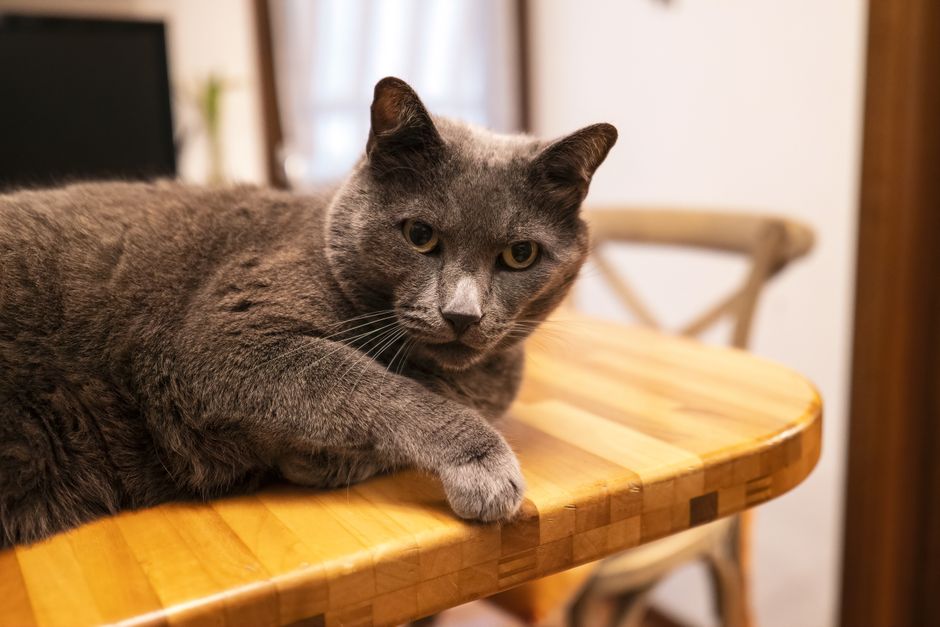
Why Some Cats Are More Prone to This Behavior
Not all cats are equally inclined toward knocking things off tables. Several factors influence this behavior:
Age and Energy Level: Younger cats and those with higher energy levels are more likely to engage in exploratory behaviors. Kittens and adolescent cats are particularly prone to this activity as they learn about their environment.
Breed Characteristics: Some cat breeds are naturally more active and curious than others. Breeds like Bengals, Siamese, and Maine Coons often display more investigative behaviors due to their high intelligence and energy levels.
Environmental Enrichment: Cats with limited mental stimulation may be more likely to find entertainment in household objects. If your cat lacks proper toys and activities, your belongings become their entertainment system.
Attention-Seeking: Some cats learn that knocking things over gets an immediate response from their owners. Even negative attention can reinforce this behavior if your cat is seeking interaction.
Practical Solutions to Minimize the Mayhem
Environmental Modifications
The most effective approach to managing cat knocking things off table incidents is to modify your environment. Remove tempting objects from surfaces your cat can access, or secure them in ways that make them less appealing targets. Consider using drawer organizers, closed containers, or wall-mounted storage for small items that typically become cat toys.
Create designated “cat zones” with appropriate toys and climbing structures. Cat trees, shelves designed for cats, and interactive toys can redirect your pet’s exploratory energy toward appropriate outlets.
Positive Reinforcement Training
While cats are often considered less trainable than dogs, they do respond well to positive reinforcement. When your cat approaches a table but doesn’t knock anything off, reward them with treats or praise. This helps establish boundaries while maintaining your relationship.
Avoid punishment or negative reactions, as these can increase stress and may actually reinforce attention-seeking behaviors. Instead, redirect your cat’s attention to appropriate toys when you notice them eyeing your belongings.
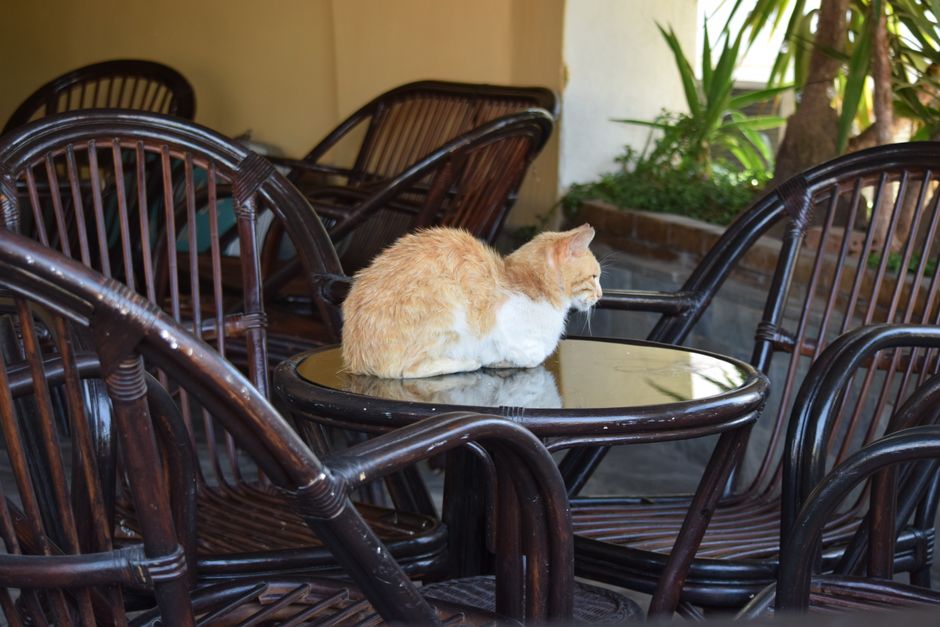
Increasing Mental and Physical Stimulation
One of the most effective long-term solutions is ensuring your cat receives adequate mental and physical stimulation. Interactive toys, puzzle feeders, and regular play sessions can satisfy your cat’s need for exploration and hunting simulation. Rotating toys regularly keeps the environment interesting and reduces the likelihood that your cat will seek entertainment from household objects.
Consider scheduling dedicated play times, especially before meals, to mimic natural hunting patterns and tire out your cat’s investigative instincts.
When to Be Concerned
While knocking objects off tables is generally normal behavior, sudden increases in this activity might indicate underlying issues. Stress, boredom, or medical problems can sometimes manifest as changes in exploratory behavior. If your previously well-behaved cat suddenly becomes destructive, or if the behavior is accompanied by other concerning symptoms, consult with your veterinarian to rule out medical causes.
Embracing Your Cat’s Nature
Understanding that this cat behavior explained through evolutionary biology helps us approach the issue with patience and creativity rather than frustration. Your cat isn’t being malicious – they’re simply being a cat. By providing appropriate outlets for their natural instincts while protecting your belongings, you can coexist peacefully with your curious feline companion.
Remember that this behavior is a sign of a healthy, curious cat who is actively engaging with their environment. With the right management strategies and environmental modifications, you can minimize the chaos while still allowing your cat to express their natural behaviors. The key is finding the right balance between protecting your belongings and respecting your cat’s instinctual needs for exploration and play.