Is My Cat’s Excessive Meowing Normal? When to Worry About Vocalization
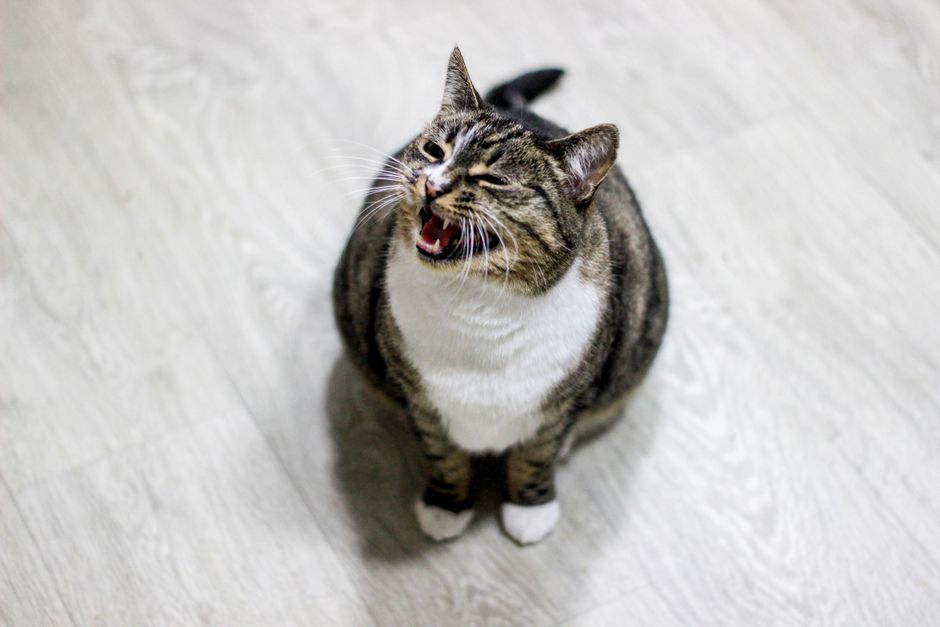
If you’ve ever found yourself wondering whether your feline friend’s vocal habits have crossed the line from charming chatter to concerning calls, you’re not alone. Cat excessive meowing is one of the most common behavioral concerns that brings pet parents to veterinarians and animal behaviorists. While some cats are naturally more talkative than others, understanding the difference between normal cat vocalization and problematic meowing can help you determine when it’s time to take action. Let’s explore the fascinating world of feline communication and discover when those meows might be telling you something important about your cat’s health and wellbeing.
Understanding Normal Cat Vocalization Patterns
Before diving into what constitutes excessive meowing, it’s essential to understand that cats have developed their vocal repertoire primarily to communicate with humans, not other cats. Adult cats rarely meow at each other, reserving this particular sound almost exclusively for their human companions. This means your cat’s meowing is their way of talking directly to you!
Breed-Specific Vocal Tendencies
Some cat breeds are naturally more vocal than others. Siamese, Oriental Shorthairs, and Burmese cats are renowned for their chatty personalities and will often engage in lengthy “conversations” with their owners. On the other hand, breeds like the Russian Blue or Scottish Fold tend to be more reserved in their vocalizations. Understanding your cat’s breed characteristics can help you establish a baseline for what’s normal in your household.
Age-Related Vocal Changes
A cat’s vocalization patterns naturally change throughout their lifetime. Kittens meow frequently to communicate with their mothers, while adult cats typically develop more nuanced communication styles. Senior cats, however, may experience increased vocalization due to cognitive changes, hearing loss, or age-related health conditions.
Common Reasons for Increased Cat Meowing
When your cat’s meowing suddenly increases or changes in character, there’s usually a reason behind it. Understanding these motivations can help you address the underlying cause effectively.

Attention-Seeking Behavior
Many cats learn that meowing gets them what they want – whether that’s food, playtime, or simply your undivided attention. If you’ve inadvertently reinforced this behavior by responding to every meow, your cat may have developed a habit of using vocalization as their primary communication tool.
Hunger and Food-Related Requests
Perhaps the most common trigger for cat excessive meowing is food-related. Cats are creatures of habit and often develop specific meal time expectations. If dinner is late or their food bowl appears empty, many cats will vocalize their displeasure quite clearly.
Environmental Stressors
Changes in your cat’s environment can trigger increased vocalization. This might include moving to a new home, introducing new pets, changes in household routines, or even rearranging furniture. Cats thrive on consistency, and disruptions to their familiar environment can result in vocal expressions of anxiety or confusion.
When Cat Vocalization Becomes a Health Concern
While many instances of increased meowing are behavioral, it’s crucial to recognize when excessive vocalization might indicate underlying health issues that require veterinary attention.
Medical Conditions That Cause Excessive Meowing
Several health conditions can manifest as increased cat vocalization. Hyperthyroidism, a common condition in older cats, often causes increased activity and vocalization. Kidney disease, arthritis pain, dental problems, and neurological conditions can also result in changes to your cat’s vocal patterns. If your typically quiet cat suddenly becomes very vocal, or if your chatty cat’s meowing changes in tone or frequency, it’s worth consulting your veterinarian.
Cognitive Dysfunction in Senior Cats
Senior cats may develop cognitive dysfunction syndrome, similar to dementia in humans. One common symptom is increased vocalization, particularly at night. These cats may seem disoriented and meow excessively, especially during overnight hours when the house is quiet and they may feel confused or anxious.
Practical Solutions for Managing Excessive Meowing
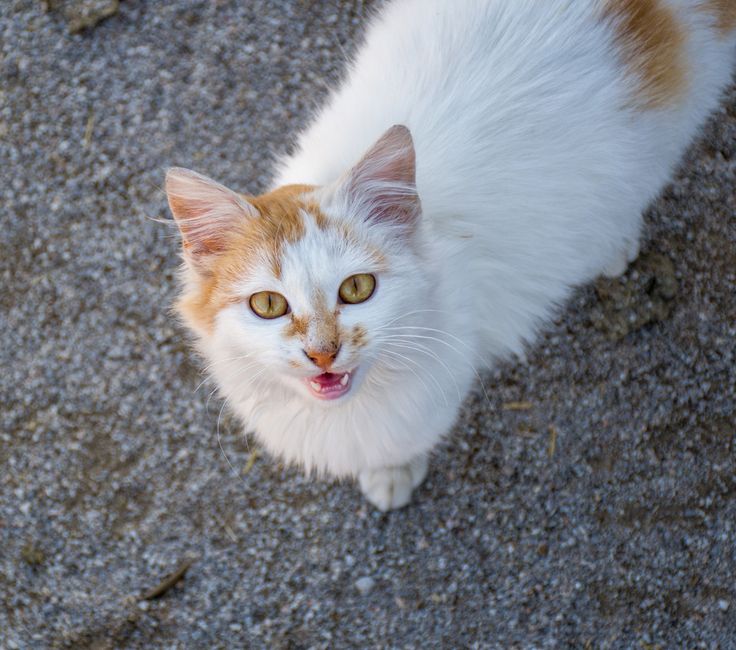
Once you’ve ruled out medical causes with your veterinarian, there are several strategies you can employ to manage your cat’s excessive vocalization effectively.
Establishing Consistent Routines
Cats feel more secure when they can predict their daily routine. Establish regular feeding times, play sessions, and interaction periods. This predictability can significantly reduce anxiety-related meowing and help your cat feel more settled in their environment.
Enrichment and Mental Stimulation
Bored cats often become vocal cats. Provide plenty of environmental enrichment through interactive toys, puzzle feeders, scratching posts, and climbing structures. Regular play sessions, especially before meal times, can help satisfy your cat’s natural hunting instincts and reduce attention-seeking vocalizations.
Positive Reinforcement Training
Avoid responding to demanding meows with immediate attention, as this reinforces the behavior. Instead, wait for quiet moments to provide attention, treats, or food. This teaches your cat that silence, not vocalization, is the key to getting what they want.
When to Consult Your Veterinarian
Schedule a veterinary appointment if your cat’s meowing suddenly changes in frequency, tone, or timing, especially if accompanied by other symptoms like changes in appetite, litter box habits, or activity levels. Night-time vocalization in senior cats, excessive meowing that seems distressed or painful, or any dramatic change in your cat’s normal vocal patterns warrant professional evaluation.
Creating a Peaceful Home Environment
Understanding your cat’s communication style and responding appropriately creates a harmonious household for both you and your feline companion. Remember that some level of cat vocalization is perfectly normal and even desirable – it’s one of the ways our cats show their comfort and connection with us.
By paying attention to the context, frequency, and nature of your cat’s meowing, you’ll become better equipped to distinguish between normal feline chatter and vocalizations that might require intervention. Most cases of cat excessive meowing can be successfully managed with patience, consistency, and understanding of your cat’s individual needs. When in doubt, don’t hesitate to consult with your veterinarian or a certified animal behaviorist who can provide personalized guidance for your specific situation. Your cat’s vocalizations are their way of communicating with you – learning to listen and respond appropriately strengthens the bond you share while ensuring their health and happiness.