How to Train Your Puppy to Walk on Leash in 7 Days (Step-by-Step)
Bringing home a new puppy is an exciting adventure, but teaching them to walk politely on a leash can feel overwhelming. The good news? With the right puppy leash training guide and consistent practice, your furry friend can master this essential skill in just one week. Whether you’re dealing with a puppy that pulls, refuses to move, or treats the leash like a chew toy, this comprehensive how to walk tutorial will transform your daily strolls from stressful to enjoyable.
Before You Begin: Essential Supplies for Puppy Leash Training
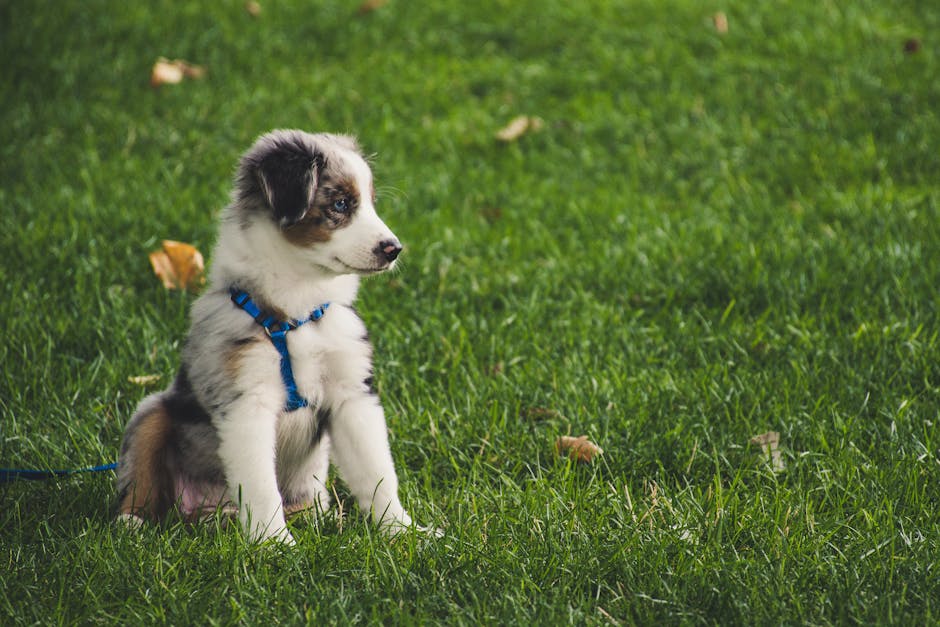
Success starts with having the right equipment. For effective puppy leash training, you’ll need a properly fitted collar or harness, a 6-foot standard leash (avoid retractable leashes during training), high-value treats your puppy loves, and plenty of patience. Choose a harness if your puppy tends to pull, as it’s gentler on their neck and gives you better control.
Start training indoors where there are fewer distractions. This foundational step in your puppy leash training guide helps your pup understand the concept before facing the exciting outdoor world.

Day 1-2: Introduction to Collar and Leash
Getting Comfortable with Gear
Begin by letting your puppy wear their collar or harness for short periods indoors. Reward calm behavior with treats and praise. Once they’re comfortable, attach the leash and let them drag it around under supervision. This helps them understand that the leash isn’t a threat or toy.
First Steps Indoors
Hold the leash loosely and encourage your puppy to follow you around the house. Use treats and an excited voice to make this experience positive. When learning how to walk your puppy, remember that the goal isn’t perfection—it’s building positive associations with the leash.
Day 3-4: Basic Leash Manners
The “Follow Me” Game
This crucial part of any puppy leash training guide teaches your pup to pay attention to you. Walk in different directions, calling your puppy’s name enthusiastically. When they follow, reward immediately. If they pull or go the opposite direction, simply change course without yanking the leash.
Introducing the “Stop” Cue
Practice stopping frequently during your indoor sessions. When you stop, gently say “stop” or “wait,” and reward your puppy when they pause with you. This foundation skill prevents future pulling problems and teaches impulse control.

Day 5-6: Taking It Outside
First Outdoor Adventures
Choose a quiet area for your first outdoor practice session. Your puppy will likely be overwhelmed by new sights, sounds, and smells, so keep initial outings short—just 5-10 minutes. The key to successful outdoor puppy leash training is patience and realistic expectations.
Dealing with Distractions
When your puppy gets distracted, don’t yank the leash. Instead, call their name cheerfully and reward them for looking at you. If they’re too overwhelmed to respond, move to a quieter spot and try again. Remember, this how to walk training process should always be positive.
Managing Common Challenges
If your puppy plants themselves and refuses to move, don’t drag them. Instead, crouch down, call their name excitedly, and reward any movement toward you. For puppies that pull excessively, stop moving whenever the leash becomes taut. Only continue walking when there’s slack in the leash.
Day 7: Putting It All Together
Longer Walks with Confidence
By day seven of your puppy leash training guide, you should be able to enjoy short neighborhood walks. Keep sessions under 15 minutes for young puppies, as their attention spans are limited. Focus on rewarding good behavior rather than correcting mistakes.
Establishing a Walking Routine
Consistency is crucial when learning how to walk your puppy properly. Try to walk at the same times each day, using the same routes initially. This predictability helps your puppy feel confident and reinforces their training.
Pro Tips for Long-Term Success
Positive Reinforcement is Key
The most effective puppy leash training relies on rewarding desired behaviors rather than punishing unwanted ones. Always carry treats and praise your puppy for walking nicely beside you, checking in with you, and responding to direction changes.
Exercise Before Training
A tired puppy is often a more focused puppy. Before practicing leash skills, let your pup burn off excess energy with indoor play. This makes your how to walk training sessions more productive and enjoyable for both of you.
Keep Sessions Short and Sweet
Puppies have short attention spans, typically 5-15 minutes depending on their age. Multiple brief training sessions throughout the day are more effective than one long, frustrating session.
Troubleshooting Common Issues
If your puppy treats the leash like a toy, redirect their attention to an appropriate chew toy and reward them for leaving the leash alone. For puppies that seem fearful of the leash, slow down the process and spend more time building positive associations with each step.
Remember that every puppy learns at their own pace. Some may master leash walking in less than a week, while others might need a few extra days. The important thing is maintaining consistency and keeping the experience positive.
Conclusion: Enjoying Your New Walking Companion
Successful puppy leash training is one of the most rewarding investments you’ll make in your relationship with your new companion. By following this step-by-step puppy leash training guide, you’re setting the foundation for years of enjoyable walks together. Remember that learning how to walk properly is a skill that will continue to improve with practice, so celebrate small victories along the way.
With patience, consistency, and positive reinforcement, your puppy will soon be the well-behaved walking partner you’ve always wanted. The bond you’ll build during these training sessions will strengthen your relationship and make every future adventure together even more special.