Why Your Cat Suddenly Became Clingy This Winter: 5 Surprising Reasons
Have you noticed your usually independent feline friend following you around like a furry shadow this winter? You’re not alone! Many cat owners are puzzled when their aloof kitties suddenly transform into velcro cats during the colder months. This sudden shift in cat clingy winter behavior isn’t just coincidence – there are fascinating biological and environmental reasons behind your cat’s increased need for attention and warmth during winter.
Understanding Normal vs. Concerning Clingy Behavior
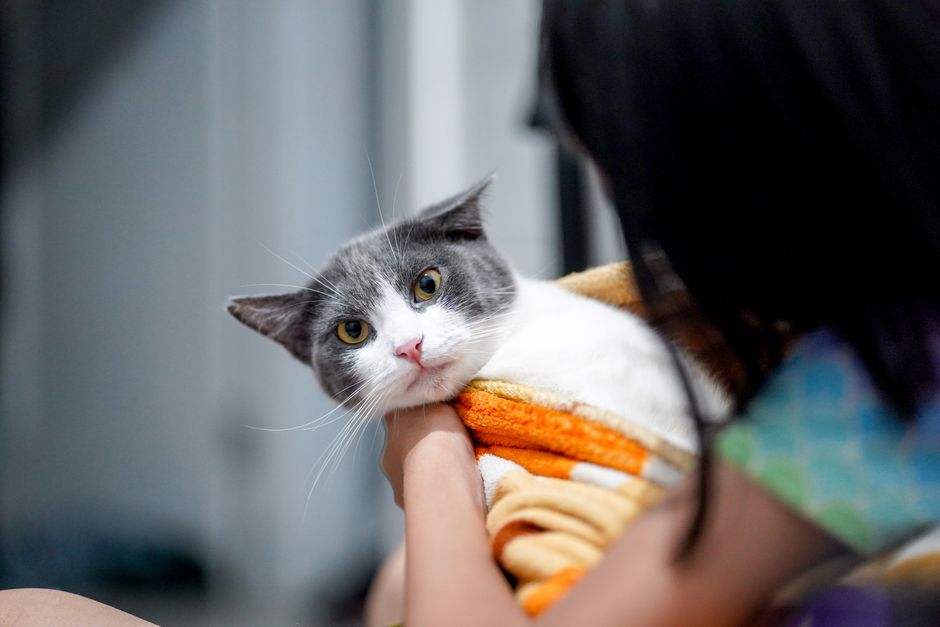
Before diving into the reasons behind your cat’s winter clinginess, it’s important to distinguish between normal seasonal changes in behavior and signs that might warrant a vet visit. Normal clingy behavior includes following you around more, seeking extra cuddles, sleeping closer to you, or sitting on your laptop while you work. However, if your cat shows signs of distress, stops eating, or exhibits excessive vocalization, consult your veterinarian.
5 Surprising Reasons Behind Your Cat’s Winter Clinginess
1. Temperature Regulation and Comfort Seeking
The most obvious reason for cat clingy winter behavior is simple: your cat is cold! Despite their fur coats, domestic cats feel temperature changes just like we do. When temperatures drop, cats instinctively seek out warm spots – and you happen to be a perfect, mobile heating pad. Your body heat, combined with soft blankets and cozy furniture, makes you an irresistible comfort source.
Indoor cats are particularly susceptible to feeling chilly since they haven’t developed the thicker winter coat that outdoor cats grow. Senior cats and thin-coated breeds like Siamese or Devon Rex cats may be especially prone to seeking extra warmth during winter months.
2. Reduced Daylight Affects Your Cat’s Mood
Just like humans can experience Seasonal Affective Disorder (SAD), cats are also influenced by shorter daylight hours. Reduced sunlight exposure can affect your cat’s circadian rhythm and serotonin production, potentially leading to mood changes and increased need for comfort and companionship.
This change in light exposure can make cats feel less secure and more dependent on their human companions for emotional comfort. The cozy, den-like atmosphere of winter homes can trigger your cat’s natural instinct to seek out their “family pack” for security.

3. Decreased Activity Leads to Attention-Seeking
Winter often means less stimulation for indoor cats. With fewer birds to watch outside, less natural light streaming through windows, and potentially less interactive play time as humans bundle up indoors, cats may redirect their energy toward seeking attention from their owners.
This seasonal change in routine can leave cats feeling understimulated, making them more likely to follow you around or interrupt your activities to engage with you. It’s their way of saying, “I’m bored, and you’re my entertainment!”
4. Evolutionary Survival Instincts Kick In
Your domesticated cat still carries the genetic programming of their wild ancestors. In nature, winter represents a time of scarcity and survival challenges. Even though your pampered house cat has a full food bowl and climate control, their instincts may still drive them to stick close to their primary caregiver – you – during winter months.
This evolutionary behavior ensured survival during harsh conditions, and traces of this instinct remain in modern cats, manifesting as increased clinginess during colder seasons.
5. Changes in Household Dynamics
Winter often brings changes to daily routines – kids home from school, holiday visitors, different meal times, or simply spending more time indoors. These shifts can create anxiety in cats, who thrive on predictable routines. Your cat’s clingy behavior might be their way of seeking reassurance and stability during these changes.
Additionally, with everyone spending more time indoors, your cat may simply have more opportunities to bond with family members and may be taking advantage of the increased presence of their favorite humans.
Practical Tips to Manage Your Clingy Cat This Winter
Create Warm Comfort Zones
Help your cat feel cozy by providing heated cat beds, fleece blankets, or even a heating pad designed for pets. Position these warm spots near windows where your cat can still enjoy watching outdoor activity while staying warm.
Maintain Consistent Routines
Despite winter’s tendency to disrupt schedules, try to maintain consistent feeding, play, and bedtime routines. This predictability can help reduce anxiety-driven clingy behavior and give your cat a sense of security.
Increase Interactive Play Time
Combat winter boredom by scheduling regular interactive play sessions. Use feather wands, laser pointers, or puzzle feeders to provide mental and physical stimulation. Aim for at least 10-15 minutes of active play twice daily to help burn off excess energy that might otherwise be directed toward attention-seeking behaviors.
Provide Environmental Enrichment
Compensate for reduced outdoor stimulation by rotating toys, providing cat TV (bird videos), or creating window perches where your cat can observe winter wildlife. Consider puzzle feeders or treat-dispensing toys to keep your cat mentally engaged when you’re busy.
When to Embrace the Clinginess
Sometimes, the best approach is simply to enjoy this extra bonding time with your feline friend. Many cat owners cherish the winter months when their independent cats become more affectionate and social. Set up a cozy workspace where your cat can curl up nearby while you work, or designate specific cuddle times each day to satisfy their need for attention.
Conclusion: Understanding and Supporting Your Winter Cat
Your cat’s sudden cat clingy winter behavior is typically a normal response to seasonal changes rather than cause for concern. By understanding the biological and environmental factors driving this behavior – from temperature regulation to evolutionary instincts – you can better support your feline friend through the winter months.
Remember that this increased clinginess often represents your cat’s trust in you as their primary source of comfort and security. With the right combination of environmental adjustments, consistent routines, and understanding, you can help your cat feel secure while enjoying the special bonding opportunities that winter brings. As spring returns and daylight increases, you’ll likely notice your cat gradually returning to their more independent self – though you might find yourself missing those extra winter cuddles!