Is My Dog’s Sleeping Position Normal? What 8 Common Sleep Poses Really Mean
Have you ever watched your furry friend snoozing and wondered what their adorable (or sometimes bizarre) sleeping position actually means? Just like humans, dogs have their preferred ways of catching those precious Z’s, and each position can reveal fascinating insights into their comfort level, personality, and even their health. Understanding your dog’s sleeping positions meaning can help you become a more attentive pet parent and ensure your four-legged family member is getting the quality rest they need.
Why Dog Sleep Behavior Matters More Than You Think
Before diving into specific poses, it’s important to understand that normal dog sleep behavior is crucial for your pet’s overall well-being. Dogs typically sleep 12-14 hours per day, with puppies and senior dogs requiring even more rest. Their sleep patterns and positions often reflect their emotional state, physical comfort, and trust level in their environment.
When you observe changes in your dog’s usual sleeping habits or positions, it could signal everything from seasonal comfort preferences to potential health concerns. By learning to decode these dog sleep poses explained, you’ll be better equipped to ensure your pet’s happiness and health.

8 Common Dog Sleeping Positions and What They Really Mean
1. The Side Sleeper
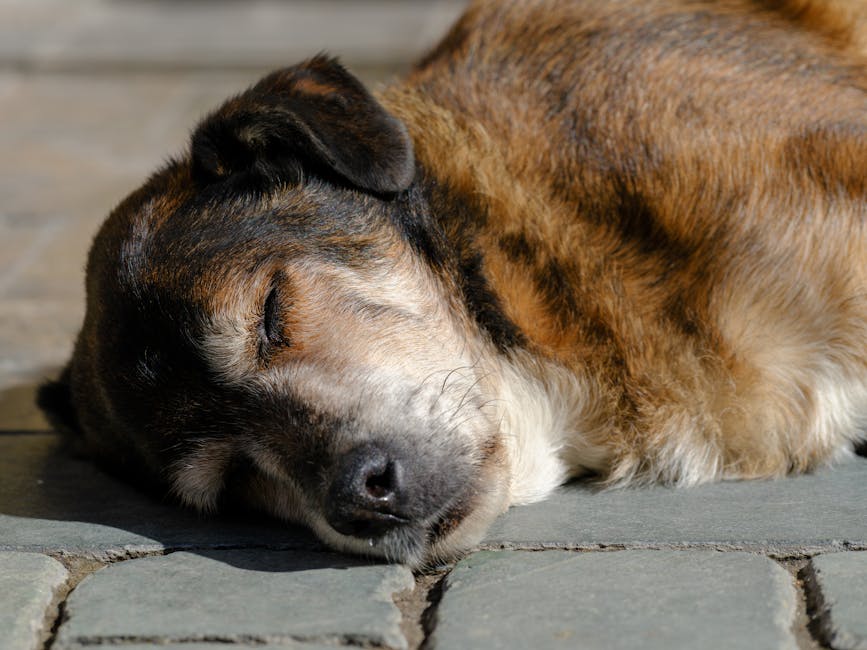
This is one of the most common and relaxed sleeping positions you’ll observe. When your dog lies on their side with legs extended, it indicates they feel completely safe and comfortable in their environment. This position allows for deep, restorative sleep and is typical of confident, easy-going dogs. Side sleeping also helps regulate body temperature effectively, making it a popular choice during moderate weather.
2. The Curled-Up Ball
Often called “the fox position,” this classic pose involves your dog curling into a tight ball with their tail wrapped around their body and paws tucked underneath. This position serves multiple purposes: conserving body heat, protecting vital organs, and maintaining alertness for quick awakening. While this can indicate your dog feels slightly vulnerable or cold, it’s completely normal dog sleep behavior, especially during cooler months.
3. The Superman (or Lion’s Pose)
In this adorable position, dogs lie on their belly with front and back legs stretched out, resembling Superman in flight. This pose suggests your dog is tired but ready to spring into action at a moment’s notice. It’s common among playful, energetic dogs and puppies who want to be prepared for the next adventure, even while resting.
4. The Back Sleeper
Perhaps the most endearing position, dogs sleeping on their backs with legs in the air demonstrate ultimate trust and comfort. This vulnerable position exposes their belly and vital organs, indicating they feel completely secure in their environment. Back sleeping also helps dogs cool down quickly, as their belly fur is typically thinner and allows for better heat dissipation.
5. The Donut Position
Similar to the curled-up ball but with the head resting on the hind legs or paws, the donut position provides maximum warmth and security. Dogs in this position are conserving heat and protecting themselves, which is instinctual behavior inherited from their wild ancestors. This position is especially common during winter months or in anxious dogs seeking comfort.
6. The Sprawler
Some dogs prefer to stretch out completely, taking up as much space as possible with limbs extended in all directions. This relaxed position indicates your dog feels territorial comfort and complete relaxation. Sprawling also maximizes contact with cool surfaces, making it popular during warm weather or among dogs with thick coats.
7. The Cuddler
Dogs who sleep pressed against furniture, other pets, or their human family members are seeking warmth, security, and social connection. This behavior stems from pack mentality and indicates strong bonding instincts. Cuddling during sleep is normal dog sleep behavior that shows your pet values companionship and feels safest when close to their loved ones.
8. The Burrower
Some dogs prefer sleeping under blankets, in enclosed spaces, or buried in pillows. This behavior indicates a desire for security and warmth, and it’s particularly common among smaller breeds or dogs with anxiety. Burrowing is natural behavior that mimics den-like environments where wild dogs would seek shelter.

When to Be Concerned About Your Dog’s Sleep Positions
While most sleeping positions are perfectly normal, certain changes warrant attention. Contact your veterinarian if you notice:
- Sudden changes in preferred sleeping positions
- Difficulty getting comfortable or frequent position changes during sleep
- Sleeping in only upright positions (could indicate breathing difficulties)
- Excessive restlessness or inability to settle into any position
- Signs of pain when moving from sleep positions
Tips for Supporting Healthy Sleep Habits
Understanding dog sleeping positions meaning is just the first step. Here are practical ways to support your pet’s sleep quality:
Create a comfortable sleeping environment: Provide appropriate bedding that suits your dog’s size and sleeping preferences. Orthopedic beds can benefit older dogs or those who prefer side sleeping, while covered beds work well for natural burrowers.
Maintain consistent routines: Dogs thrive on predictability. Establish regular bedtimes and wake-up times to support their natural circadian rhythms.
Consider temperature preferences: Adjust your dog’s sleeping area based on their preferred positions. Dogs who curl up may need extra warmth, while sprawlers might prefer cooler surfaces.
Respect their choices: If your dog consistently chooses certain spots or positions, there’s usually a good reason. Work with their preferences rather than against them.
Sweet Dreams for Your Furry Friend
Your dog’s sleeping positions offer a wonderful window into their comfort level, personality, and overall well-being. Most dog sleep poses explained in this guide represent normal, healthy behavior that reflects your pet’s individual preferences and needs. By observing and understanding these patterns, you’re taking an important step in providing the best possible care for your beloved companion.
Remember that every dog is unique, and what’s normal for one may differ for another. The key is knowing your dog’s typical patterns and being alert to any significant changes. With this knowledge and attention to their needs, you can help ensure your furry friend enjoys the restful, rejuvenating sleep they need to stay happy and healthy for years to come.