Is My Cat Sick? 7 Warning Signs Every Cat Owner Must Know
As a devoted cat parent, you’ve probably found yourself staring at your feline friend, wondering if that slight change in behavior means something serious. Cats are masters at hiding illness—it’s an evolutionary trait that helped their wild ancestors avoid showing weakness to predators. This makes recognizing sick cat symptoms both crucial and challenging for pet owners. The good news? Once you know what to look for, you’ll be better equipped to catch potential health issues early and ensure your furry companion gets the care they need.
Why Early Detection of Cat Health Problems Matters
Unlike dogs, who often wear their hearts (and health issues) on their sleeves, cats are subtle communicators. By the time obvious symptoms appear, your cat may have been suffering in silence for days or even weeks. Understanding cat health warning signs can mean the difference between a simple treatment and a complex medical emergency.
Veterinary studies show that cats who receive early medical intervention have significantly better outcomes and lower treatment costs. More importantly, early detection means less suffering for your beloved pet and greater peace of mind for you.

7 Critical Warning Signs Your Cat May Be Sick
1. Changes in Eating and Drinking Habits
One of the most reliable indicators of feline illness is a sudden change in appetite or water consumption. While it’s normal for cats to have occasional finicky days, persistent changes warrant attention.
Watch for:
- Refusing food for more than 24 hours
- Dramatically increased or decreased water consumption
- Eating much more than usual without weight gain
- Difficulty chewing or dropping food while eating
These symptoms could indicate anything from dental problems to kidney disease or diabetes.
2. Litter Box Changes
Your cat’s bathroom habits offer valuable insights into their health. Since cats are naturally clean animals, any deviation from normal litter box behavior is significant.
Red flags include:
- Urinating outside the litter box
- Straining to urinate or defecate
- Blood in urine or stool
- Diarrhea or constipation lasting more than a day
- Crying while using the litter box
3. Behavioral and Activity Level Changes
Cats are creatures of habit, making behavioral changes one of the clearest sick cat symptoms to recognize. Pay attention to shifts in your cat’s normal routine and personality.
Concerning behaviors:
- Hiding more than usual or seeking isolation
- Decreased interest in play or interaction
- Excessive sleeping or lethargy
- Increased aggression or irritability
- Restlessness or inability to get comfortable
4. Grooming and Appearance Issues
Healthy cats are meticulous groomers, so changes in their appearance often signal health problems. A sick cat may either groom excessively or stop grooming altogether.
Look out for:
- Unkempt, greasy, or matted fur
- Bald patches or excessive shedding
- Over-grooming leading to raw spots
- Dull, lifeless coat texture
- Strong odors from the mouth or body
5. Respiratory and Breathing Problems
Unlike dogs, cats rarely pant unless they’re extremely stressed or overheated. Any breathing difficulties should be taken seriously as potential emergency situations.
Emergency breathing symptoms:
- Open-mouth breathing or panting at rest
- Wheezing, coughing, or labored breathing
- Rapid or shallow breathing
- Blue-tinged gums or tongue

6. Weight and Body Condition Changes
Gradual weight changes can be easy to miss, especially in long-haired cats. Regular weigh-ins can help you catch these important cat health warning signs early.
Monitor for:
- Rapid weight loss or gain
- Visible ribs or spine (weight loss)
- Loss of muscle mass, especially in senior cats
- Bloated or distended abdomen
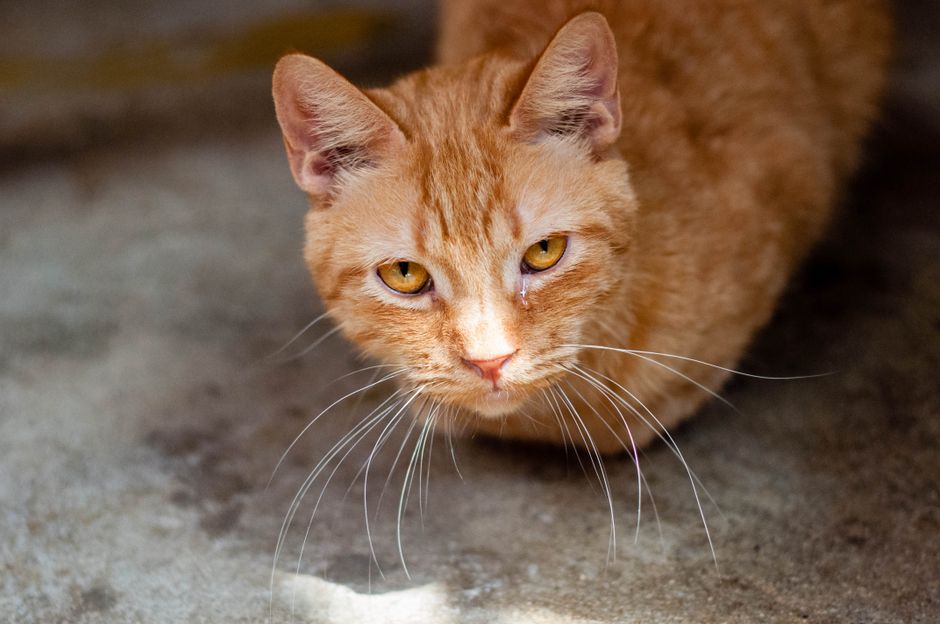
7. Eye, Nose, and Mouth Changes
Your cat’s face can reveal numerous health issues. Regular observation of these areas can help you spot problems before they become severe.
Abnormal signs include:
- Discharge from eyes or nose
- Red, swollen, or cloudy eyes
- Bad breath or drooling
- Pale or yellow gums
- Difficulty opening the mouth
When to Take Your Cat to the Vet
Knowing when to take cat to vet can save your pet’s life. While some symptoms require immediate emergency attention, others warrant a prompt appointment with your regular veterinarian.
Emergency Situations (Go to Emergency Vet Immediately)
- Difficulty breathing or blue gums
- Unable to urinate or defecate
- Severe lethargy or unconsciousness
- Suspected poisoning
- Severe injury or trauma
Schedule a Vet Visit Within 24-48 Hours
- Not eating for 24+ hours
- Vomiting multiple times
- Diarrhea lasting more than a day
- Significant behavioral changes
- Any combination of mild symptoms
Prevention Tips for Maintaining Cat Health
While you can’t prevent all illnesses, proactive care significantly reduces your cat’s risk of serious health problems:
- Schedule annual veterinary checkups (twice yearly for seniors)
- Keep vaccinations current
- Maintain good dental hygiene
- Provide a balanced diet and fresh water
- Monitor weight and body condition regularly
- Create a stress-free environment
Trust Your Instincts
As a cat owner, you know your pet better than anyone. If something seems “off,” even if you can’t pinpoint exactly what, trust your instincts. Recognizing sick cat symptoms early and acting quickly can make all the difference in your cat’s health and happiness.
Remember, it’s always better to have a veterinarian examine your cat and find nothing wrong than to wait and potentially miss a serious condition. Your vigilance and love are your cat’s best protection against illness, and being informed about these warning signs makes you an even better pet parent. When in doubt, don’t hesitate to contact your veterinarian—they’re there to help both you and your feline friend live your best lives together.