Why Is My Cat Drinking So Much Water? 7 Health Signs to Watch
Have you noticed your feline friend spending more time at the water bowl lately? While it’s wonderful that your cat is staying hydrated, a sudden increase in water consumption could be signaling underlying health issues that deserve your attention. As a caring pet owner, recognizing when your cat drinking excessive water becomes a concern is crucial for maintaining their wellbeing. Let’s explore the key warning signs and what they might mean for your beloved companion’s health.
Understanding Normal vs. Excessive Water Consumption in Cats
Before diving into potential health problems, it’s essential to understand what constitutes normal drinking habits for cats. On average, a healthy cat should consume approximately 3.5-4.5 ounces of water per 5 pounds of body weight daily. This means a 10-pound cat should drink about 7-9 ounces of water per day.
However, several factors can influence your cat’s water intake, including diet (wet food provides more hydration than dry kibble), activity level, ambient temperature, and individual preferences. The key is recognizing when your cat’s drinking patterns deviate significantly from their normal routine.

7 Critical Health Signs Associated with Excessive Water Drinking
1. Diabetes Mellitus
One of the most common causes of increased water consumption in cats is diabetes. When your cat’s body cannot properly process glucose, excess sugar in the bloodstream draws water from tissues, leading to dehydration and compensatory increased drinking. Watch for accompanying symptoms like increased urination, weight loss despite good appetite, and lethargy.
2. Kidney Disease
Chronic kidney disease affects many senior cats and can cause significant changes in drinking habits. As kidney function declines, your cat’s body struggles to concentrate urine effectively, leading to increased water loss and the need to drink more to maintain hydration. Early detection through regular veterinary checkups is crucial for managing this condition.
3. Hyperthyroidism
An overactive thyroid gland speeds up your cat’s metabolism, causing increased thirst along with weight loss, increased appetite, hyperactivity, and sometimes vomiting or diarrhea. This condition is particularly common in middle-aged to older cats and requires prompt veterinary attention.

4. Urinary Tract Infections (UTIs)
When cats experience discomfort or pain while urinating due to infections, they often increase their water intake instinctively. UTIs may also cause frequent trips to the litter box, straining to urinate, or urinating outside the litter box. These symptoms warrant immediate veterinary care.
5. Liver Disease
Various liver conditions can affect your cat’s fluid balance and metabolism, leading to increased thirst. Liver disease may also cause symptoms like yellowing of the eyes or gums, loss of appetite, vomiting, and abdominal swelling.
6. Certain Medications
Some medications, particularly corticosteroids and certain diuretics, can cause increased thirst as a side effect. If your cat recently started new medication and you notice changes in drinking habits, discuss this with your veterinarian.
7. Stress and Behavioral Changes
Sometimes, excessive water drinking can stem from stress, anxiety, or changes in routine. While less common than medical causes, behavioral factors shouldn’t be overlooked, especially if you’ve recently moved, introduced new pets, or made significant household changes.
When to Seek Veterinary Care
Contact your veterinarian if you notice your cat drinking significantly more water than usual for more than 2-3 days, especially when accompanied by other symptoms. Don’t wait if you observe:
- Dramatic increases in urination
- Changes in appetite or weight
- Lethargy or behavioral changes
- Vomiting or diarrhea
- Difficulty urinating or signs of pain
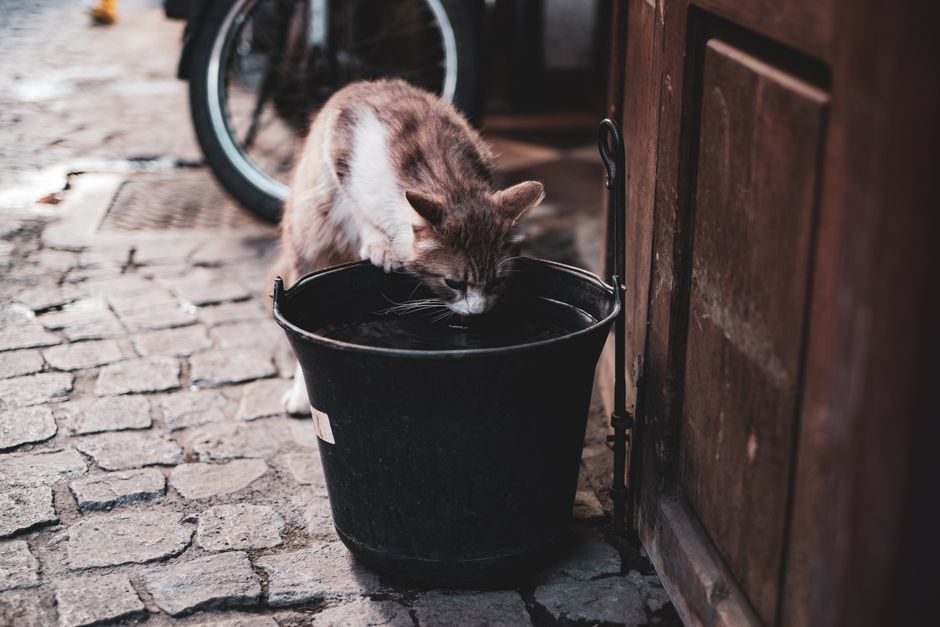
Monitoring Your Cat’s Water Intake: Practical Tips
To help your veterinarian assess the situation accurately, consider these monitoring strategies:
Measure Daily Water Consumption
Fill your cat’s water bowl with a measured amount of water each morning and check how much remains at the end of the day. Keep a simple log for several days to establish patterns.
Observe Litter Box Habits
Note any changes in urination frequency, volume, or appearance. Increased urination often accompanies excessive drinking in many health conditions.
Monitor Overall Behavior
Document any accompanying symptoms, changes in eating habits, energy levels, or social behavior. This comprehensive picture helps veterinarians make more accurate diagnoses.
Supporting Your Cat’s Health
While investigating potential causes of excessive water consumption, ensure your cat has access to fresh, clean water at all times. Some cats prefer running water from fountains, while others like wide, shallow bowls. Maintaining good hydration supports overall health regardless of underlying conditions.
Regular veterinary checkups, especially for senior cats, can help detect health problems before they become serious. Many conditions causing increased thirst are manageable when caught early.
Conclusion
When your cat drinking excessive water becomes a pattern rather than an occasional occurrence, it’s time to pay attention. While increased water consumption isn’t always indicative of serious health problems, it often serves as an early warning sign for conditions that benefit from prompt treatment. By staying observant, monitoring changes carefully, and working closely with your veterinarian, you can help ensure your feline companion receives the care they need to live a healthy, comfortable life. Remember, you know your cat best – trust your instincts when something seems off, and don’t hesitate to seek professional guidance when concerns arise.